




Ageing Hands: How to Treat Age Spots, Crepey Skin and Dryness
- Why do hands age so fast?
- What causes age spots on hands?
- How do you get rid of age spots on hands?
- How do you treat crepey skin on the hands?
- What is the best hand cream for ageing hands?
- What is the best treatment for ageing hands?
- When should you start looking after your hands?
- How to keep your hands looking young: the routine
Ageing Hands: At a Glance
| The concern | Age spots, crepey skin, dryness and loss of fullness on the backs of the hands. |
| The cause | Cumulative sun exposure, repeated washing and sanitiser, and declining collagen in already-thin skin. |
| At home | Daily SPF, a barrier-repairing hand cream after every wash, and weekly brightening. |
| In clinic | IPL and Fraxel Re:Store for pigmentation. RadioFrequency with Microneedling for texture. Radiesse with hyaluronic acid, or fat transfer, for volume. |
| Relevant products | High Maintenance Hand Cream, Pure Vitamin C Powder Cream, Rose de Vie Serum. |
Hands are often a tell-tale sign of a person's real age. While most people are diligent with serums, SPF and targeted treatments for the face, very few pay equally diligent attention to their hands. This means hands are exposed constantly to sunlight, frequent washing, environmental stress and daily wear with far less protection. Over time, that exposure becomes visible in the form of dryness, thinning skin, age spots, crepiness and a loss of youthful fullness.
The good news is that ageing hands respond remarkably well to attention. Below, what actually causes age spots and crepey skin on the hands, what you can treat at home, and where a clinic can do what a cream cannot.
At Dr Sebagh, hand care is part of a wider Ageing-Maintenance philosophy: preserving skin quality through intelligent daily care, supported by more advanced clinic treatments when needed.

01
Why do hands age so fast?
The skin on the hands is delicate and constantly exposed. Repeated washing, detergents, UV rays and daily wear all weaken the skin barrier over time. As collagen declines, the skin becomes thinner and less resilient, which is why hands can start to look rougher, more lined and more visibly aged. Veins, tendons and pigmentation may also become more prominent, adding to the impression of age.
There is also a simple behavioural reason. The backs of the hands are among the most sun-exposed skin on the body, and among the least protected. SPF applied in the morning is washed off within the hour and rarely reapplied. Decades of that add up.
Two everyday habits accelerate it further. UVA passes through glass, so hands resting on a steering wheel or a desk beside a window are exposed even indoors and on overcast days. And alcohol-based sanitiser, used repeatedly, strips the lipids that hold the barrier together, leaving skin drier, tighter and quicker to show fine lines.
"The backs of the hands are among the most sun-exposed skin on the body, and among the least protected."
02
What causes age spots on hands?
Age spots, also called liver spots or solar lentigines, are flat brown or tan marks that appear where skin has had the most cumulative sun exposure. UV light stimulates melanin production, and over years that pigment gathers in concentrated clusters rather than spreading evenly. The backs of the hands, along with the face and décolletage, are usually the first places they show.
They are not caused by the liver, despite the name, and they are not a sign of poor hydration. They are a record of sun exposure, which is why prevention matters as much as correction.
Age spots are usually flat and even in colour. Raised, rough or scaly patches on the hands are a different thing and are worth having looked at rather than treated cosmetically. If any mark changes in size, shape or colour, develops an irregular border, or bleeds, see a doctor.

03
How do you get rid of age spots on hands?
Existing spots can be faded significantly, and new ones largely prevented. It works best as three layers, in this order.
Protect. A broad-spectrum SPF on the backs of the hands, every morning, reapplied after washing. This is the single highest-return habit for pigmentation and the one almost nobody keeps. Keeping a hand cream with SPF by the sink makes it realistic.
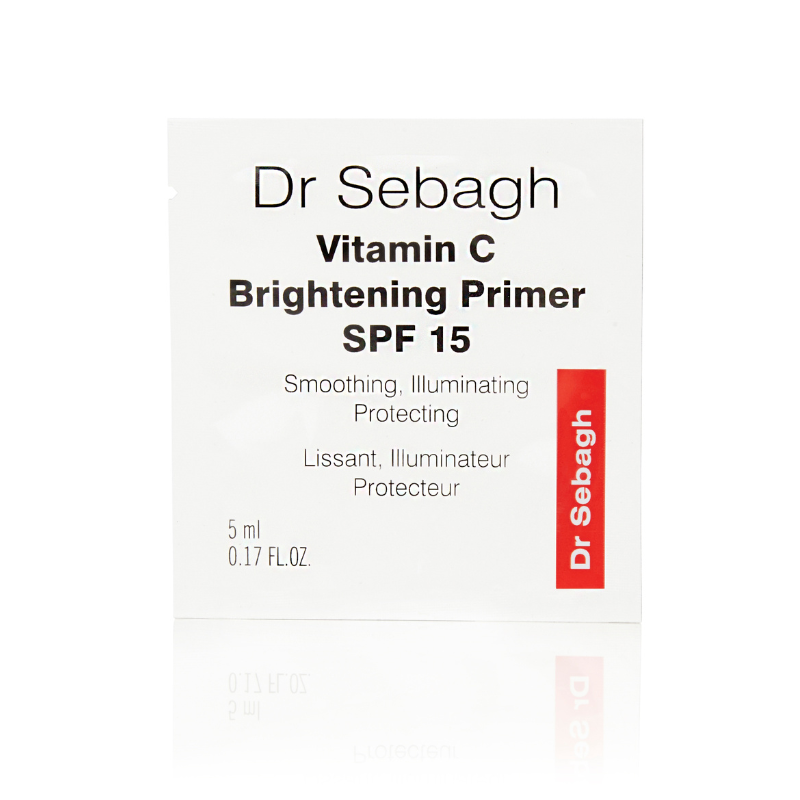
Treat at home. Brightening actives applied consistently will soften existing pigmentation over months rather than weeks. Dr Sebagh recommends mixing a small amount of Pure Vitamin C Powder into your hand cream once a week and leaving it on overnight, to help prevent and reduce pigmentation. There is more on how the formula works in Inside Dr Sebagh's Pure Vitamin C Powder Cream.
Correct in clinic. For pigmentation that is well established, IPL and Fraxel Re:Store are considerably faster than any topical route. More on both below.
Pure Vitamin C Powder Cream is the at-home brightening step. Mix a small amount into your hand cream once a week and leave it on overnight to help prevent and reduce pigmentation.
Shop Pure Vitamin C Powder Cream →
Can you get rid of age spots on hands naturally?
Partially. Consistent sun protection and a well-formulated brightening routine will fade newer, lighter marks and stop more from forming. Older, deeper pigmentation tends to need a clinical treatment to shift properly. Anything promising to erase decades of sun exposure from a jar is overpromising.
How long does it take to fade age spots on hands?
Longer than most people expect. Topical brightening works on the pigment your skin is still producing and on the newer marks near the surface, so meaningful change is measured in months of consistent use rather than weeks. In-clinic treatment is faster, but usually still a short course rather than a single session. Whichever route you take, without daily sun protection the same spots return.
04
How do you treat crepey skin on the hands?
Crepey skin usually reflects more than dryness alone. It is often linked to thinning skin, reduced elasticity and collagen loss, sometimes worsened by sun damage. The texture is fine, closely spaced lines that look a little like tissue paper, most visible when the skin is dry or the hand is relaxed. The same changes often show on the arms, chest and neck too, and our guide to crepey skin covers those.
At home, the priority is barrier repair and sustained hydration. Well-hydrated skin looks plumper and reflects light more evenly, which visibly softens crepiness even before anything structural changes. Humectants such as hyaluronic acid draw water into the skin; occlusive elements hold it there. Applied after every wash, a treatment-grade hand cream does most of this work.
Retinol can help with texture and collagen support over time, though hand skin is thin and can be sensitive. Introduce it gradually and always alongside daily SPF.
At-home care is always the first step but for further support, in-clinic treatment can make a significant difference. Dr Sebagh offers Ageing-Maintenance Treatment for the Hands, with treatments selected according to whether the main concern is pigmentation, texture or volume loss.
 05
05
What is the best hand cream for ageing hands?
The best approach is consistency. Hands benefit from the same principles as the face: hydration, protection and regular maintenance. A good routine helps preserve softness, improve smoothness and support the skin barrier, all of which make hands look healthier and more youthful.
Look for a cream that does more than sit on the surface. One that repairs as well as moisturises, and that you will genuinely reapply after every wash. High Maintenance Hand Cream is designed to do exactly that. It deeply hydrates, helps repair over-washed hands and supports the skin barrier, leaving the skin softer, smoother and more resilient over time.
"It's a treatment cream that not only instantly moisturises but also repairs and protects the hands," says Dr Sebagh.
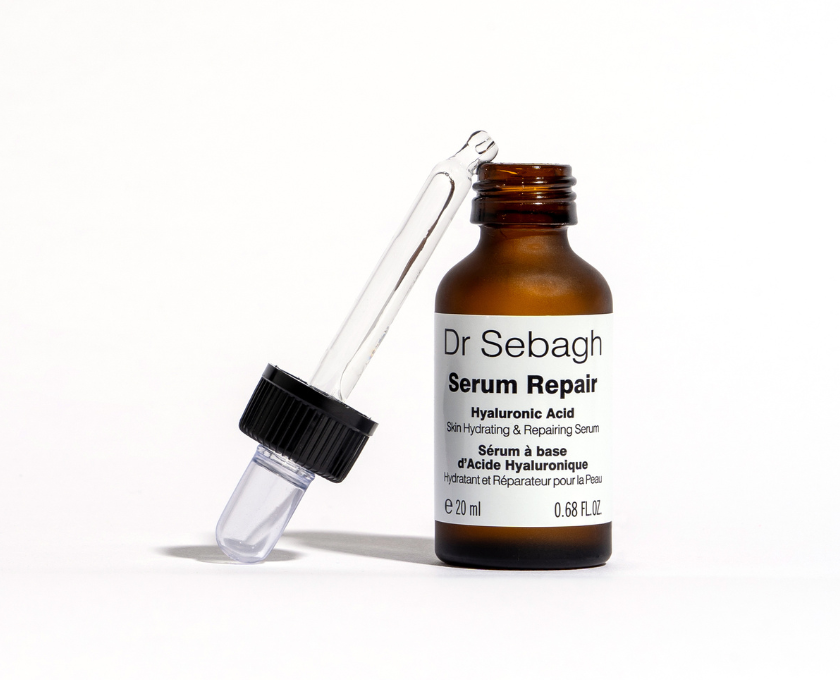
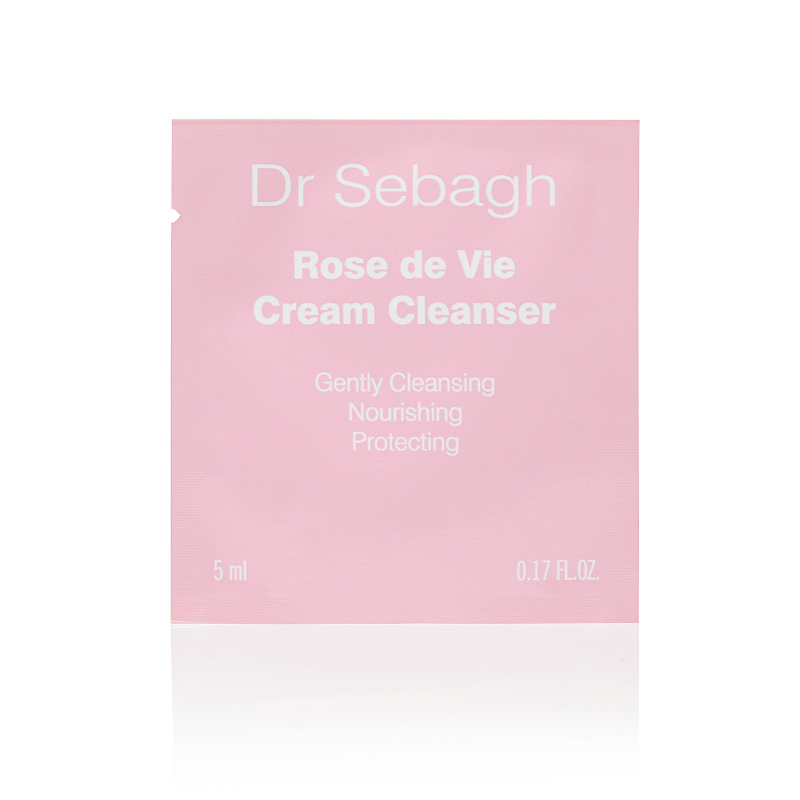
For very dry hands, layer it over Rose de Vie Serum when extra nourishment is needed.
Can a hand cream reverse ageing?
A hand cream cannot replace lost volume or erase deeper pigmentation, but it can make a clear visible difference. When skin is well hydrated, it looks smoother, plumper and less crepey. Fine lines caused by dryness appear softened, and the hands take on a healthier, more polished look.
This is why a targeted formula matters. Used consistently, High Maintenance Hand Cream helps restore comfort, improve suppleness and keep the hands looking smoother and more refined.
High Maintenance Hand Cream deeply hydrates, helps repair over-washed hands and supports the skin barrier, leaving the skin softer, smoother and more resilient over time.
Shop High Maintenance Hand Cream →
06
What is the best treatment for ageing hands?
Different signs of ageing can be targeted by different in-clinic treatments, but typically a combination of treatments offers the best approach. Hand rejuvenation is rarely one procedure. It is a sequence, chosen according to which sign is most prominent.
For pigmentation. Dr Sebagh uses IPL and Fraxel Re:Store. IPL helps target sun damage and visible brown spots, improving clarity and evenness. Fraxel Re:Store also works on pigmentation, while helping improve texture and overall skin renewal.
For crepiness and thinning skin. RadioFrequency with Microneedling is used to stimulate collagen and elastin. This helps the skin feel firmer, smoother and better supported.
For loss of volume. As the fat pads on the backs of the hands thin, veins and tendons become more prominent. Fillers restore that lost cushioning. Dr Sebagh uses Radiesse, a calcium hydroxylapatite filler, diluted 1:1 with hyaluronic acid. The Radiesse provides instant volume and lift, plumping thin, veiny hands and stimulating the skin's own collagen over the months that follow. The hyaluronic acid adds hydration and elasticity, so the result reads as natural rather than filled.
For some patients, fat transfer can be an elegant option. By using the patient's own fat to restore volume, the treatment helps create a softer, fuller and very natural-looking result.
How long do hand fillers last?
Results can last up to twelve months, and sometimes longer, depending on the individual and how much volume has been lost. The volume itself is immediate; the collagen-stimulating effect of Radiesse continues to develop over the following months.
It is worth being clear about what filling does and does not do. It restores volume and softens the look of prominent veins and tendons. It will not fade pigmentation or refine surface texture, which is why hand rejuvenation is usually sequenced alongside IPL, Fraxel Re:Store or RadioFrequency with Microneedling rather than used on its own.
07
When should you start looking after your hands?
Earlier than most people do. Hands tend to be neglected through the twenties and thirties and then addressed in the forties, once pigmentation and thinning are already visible, at which point the work is correction rather than prevention, and correction is slower, harder and more expensive. Collagen decline accelerates around menopause, which is often when hands change fastest.
Prevention is undramatic: sun protection and a barrier-repairing hand cream, used consistently, from whenever you start thinking about it. If your face has a routine and your hands do not, that gap will show eventually, usually before anything else does.
"If your face has a routine and your hands do not, that gap will show eventually, usually before anything else does."
 08
08
How to keep your hands looking young: the routine
Five habits, in order of how much difference they make.
- SPF on the backs of the hands every morning, reapplied after washing. Nothing else on this list matters as much for pigmentation.
- High Maintenance Hand Cream after every hand wash, not only at night. This is where over-washed hands are actually repaired.
- Pure Vitamin C Powder mixed into the hand cream once a week, left on overnight, to help prevent and reduce pigmentation.
- Rose de Vie Serum layered underneath when hands are very dry, in winter or after travel.
- A clinic review once a year for anything topical care cannot reach: established age spots, textural change or volume loss.
In clinic, more advanced treatments can then address deeper concerns such as pigmentation, textural change and volume loss. Together, these steps reflect the essence of Ageing-Maintenance: thoughtful, consistent care that keeps skin looking fresh, healthy and beautifully supported over time.
High Maintenance Hand Cream
Step 2. After every hand wash, to hydrate, repair over-washed hands and support the skin barrier.
Shop
Pure Vitamin C Powder Cream
Step 3. Once a week, mixed into the hand cream and left overnight, to help prevent and reduce pigmentation.
Shop
Rose de Vie Serum
Step 4. Layered underneath when hands are very dry, in winter or after travel.
ShopThe Takeaway
Hands often reveal age quickly, but they also respond beautifully to the right care. Age spots are a record of sun exposure and can be faded; crepiness responds to sustained hydration and collagen support.
With a consistent routine built around High Maintenance Hand Cream, and with expert clinical support where needed, it is entirely possible to keep hands looking smoother, softer and more youthful for longer.
Read more

Four decades of aesthetic medicine in ten questions. Dr Jean-Louis Sebagh on skin longevity, exosomes, polynucleotides and why ageing should be managed, not fought.
What telomeres are, why they shorten, and how they shape the way skin ages. The cellular science behind skin longevity, and the serum Dr Sebagh spent five years developing.
Leave a comment
All comments are moderated before being published.
This site is protected by hCaptcha and the hCaptcha Privacy Policy and Terms of Service apply.