
Dr Sebagh Q&A: 40 Years of Skin Longevity Secrets
- "Skin longevity" vs "Ageing Maintenance", what took the industry so long?
- What skin longevity actually changes in your daily routine
- How seriously to take the link between skin and whole-body health
- What is actually happening in regenerative aesthetics
- Exosomes: what the evidence genuinely supports
- Polynucleotides and PDRN, who they are genuinely for
- Has the balance shifted permanently from filler to biostimulation?
- The most common mistake in overtreated faces
- Prejuvenation: sensible medicine or selling treatment to people who don't need it?
- The shortest list that will genuinely protect your skin over the decades
The Age of Meaningful Longevity: At a Glance
| Format | Interview: 10 questions. Four decades of experience. One philosophy. |
| Key themes | Ageing Maintenance, skin longevity, regenerative aesthetics, biostimulation, exosomes, polynucleotides, prejuvenation. |
| Central belief | Ageing should not be fought. It should be understood, respected and managed intelligently throughout life. |
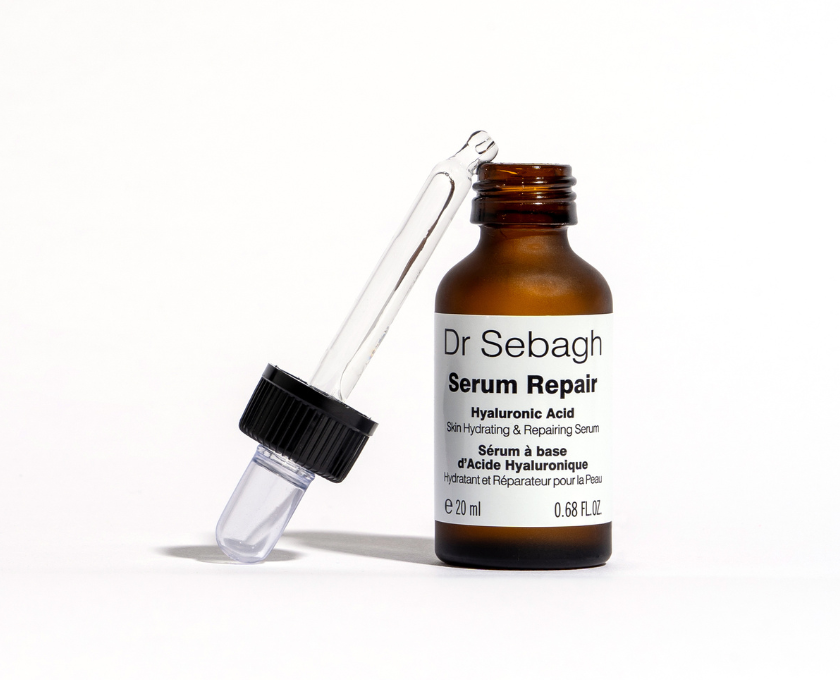
| Relevant products | Exo C Booster, Serum Repair, Retinol Night Repair. |
| Who it's for | Anyone interested in skin longevity, regenerative skincare or a more intelligent approach to ageing. |
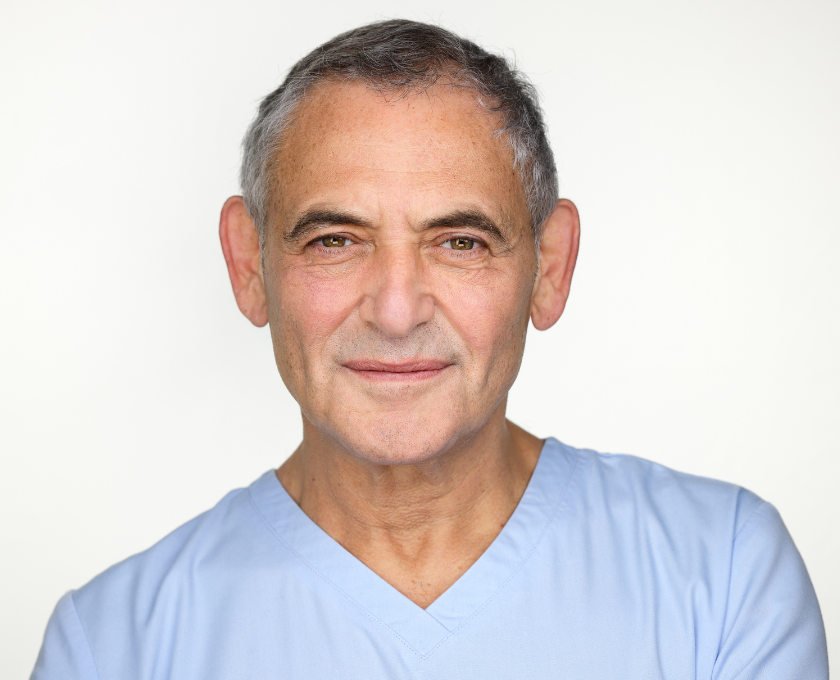
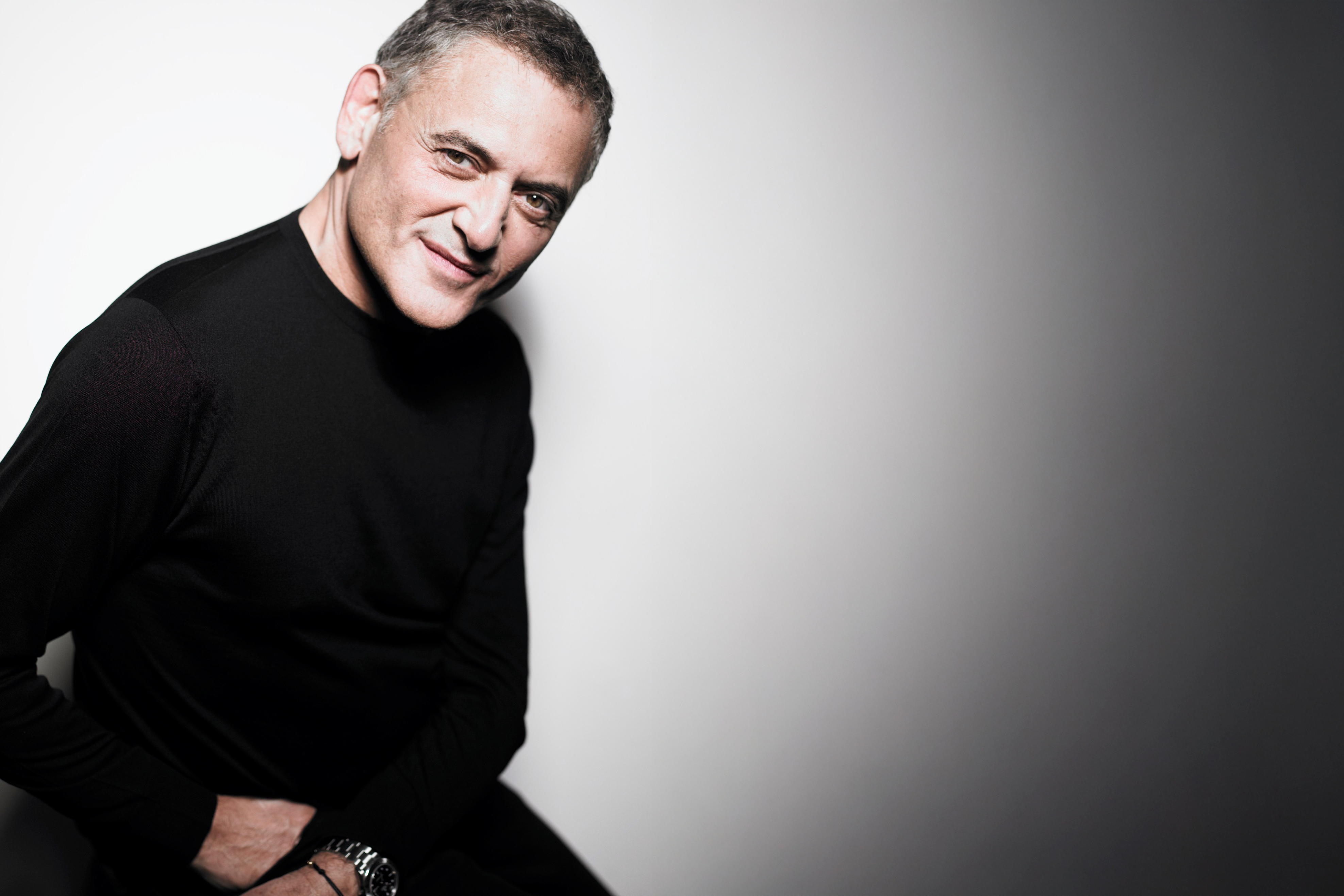
For more than four decades, Dr Jean-Louis Sebagh has been at the forefront of aesthetic medicine, from pioneering Botulinum toxin in the United Kingdom to helping develop the first generation of hyaluronic acid fillers. Yet while techniques have continually changed, one philosophy has remained constant.
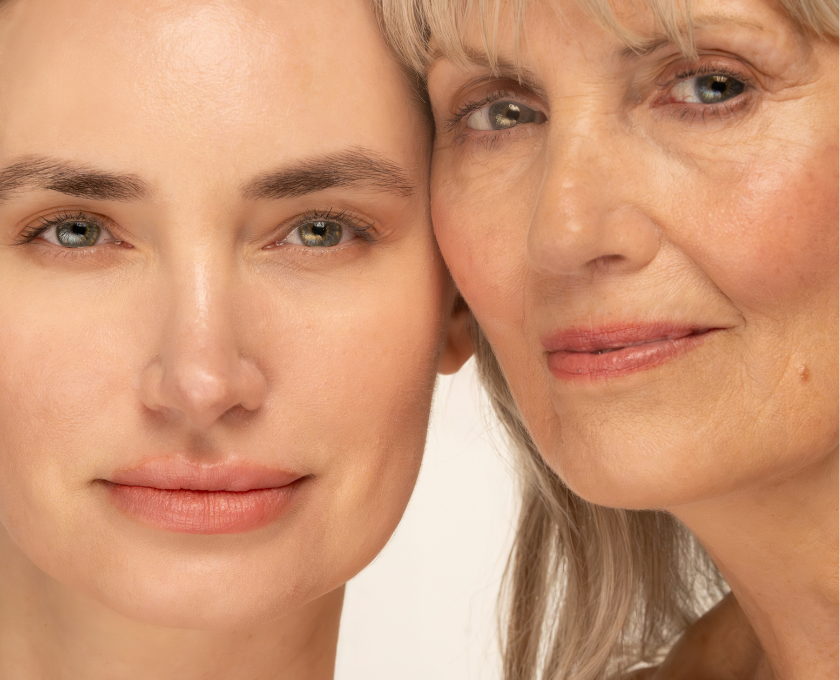
Long before terms such as Skin Longevity, Prejuvenation and Regenerative Aesthetics entered everyday language, Dr Sebagh was advocating what he called Ageing Maintenance: the belief that ageing should not be fought, but understood, respected and managed intelligently throughout life.
In this conversation, he reflects on four decades of experience, the future of regenerative medicine and why true beauty has never been about looking younger, but about looking healthy, confident and completely yourself.

01
"Skin longevity" is the term everyone in beauty is using now. You coined "Ageing Maintenance" more than thirty years ago. Are they the same thing, and what took the industry so long to catch up?
I smile every time I hear the expression Skin Longevity because, in many ways, it is exactly what I meant when I introduced the concept of Ageing Maintenance more than thirty years ago.
Back then, the conversation was completely different. Patients wanted to erase wrinkles, fill lines and look younger as quickly as possible. I was far more interested in understanding why the skin ages in the first place and, more importantly, how we could help it age better.
I have always believed that beautiful skin is not created by one spectacular treatment. It is the result of hundreds of small, intelligent decisions made consistently over many years.
What has changed is the science. Today we understand far more about collagen, inflammation, the skin barrier, cellular communication and regeneration. We are finally treating the causes of skin ageing rather than simply its visible consequences.
This is why I believe the future is no longer about anti-ageing. I have never liked that expression: ageing is a natural privilege. The real challenge is not to stop ageing, which is impossible, but to age well. That means preserving the quality of the skin, maintaining healthy collagen, protecting its repair mechanisms and respecting its natural architecture throughout life.
Ironically, the industry has now arrived exactly where I hoped it would. Patients no longer ask me, "How can I look twenty again?" They ask, "How can I look like the healthiest, happiest version of myself for the next twenty years?" That is a far more intelligent question. And fortunately, today, we finally have the science to give intelligent answers.
"Don't fight ageing. Understand it, respect it and guide it. That philosophy has never changed."
02
What is the practical difference between anti-ageing and skin longevity? What does it actually change about someone's morning and evening routine?
The difference is actually very simple. Anti-ageing is about reacting. Skin longevity is about investing.
Most people wait until they see wrinkles, pigmentation or sagging before they start looking after their skin. By then, they are trying to repair damage that has often been developing silently for twenty or thirty years. Skin longevity completely changes that mindset. Instead of asking, "How do I get rid of this wrinkle?", you ask, "How do I keep my skin functioning like younger skin for as long as possible?"
That doesn't require fifty different products or an endless routine. I have become increasingly convinced that simplicity, consistency and quality are far more important than quantity.
Every morning, I believe in protecting the skin from what ages it most: UV radiation, pollution, oxidative stress and inflammation. Antioxidants such as vitamin C, together with daily sun protection, remain the foundations of healthy skin. In the evening, the skin enters its natural repair phase, this is when I focus on stimulating renewal with ingredients such as retinol, peptides and regenerative technologies that encourage collagen production and improve skin quality over time.
But skincare is only part of the story. Your skin reflects how you live. Poor sleep, chronic stress, smoking and excessive sun exposure will always age the skin faster than almost any cream can reverse.
People often ask me what the most important skincare product is. They are usually surprised when I answer: consistency. A good routine followed every single day for twenty years will always outperform the latest miracle ingredient used for two weeks. Beautiful skin is never built overnight. It is built one ordinary day at a time.
03
There's growing evidence that skin health and whole-body health are deeply linked. As a doctor, how seriously do you take that?
Very seriously. For too many years we treated the skin as though it were simply a covering. It isn't. It is the largest organ in the body, and like every other organ, its health reflects what is happening inside us.
Today we understand that chronic inflammation, poor sleep, stress, metabolic disease and hormonal changes don't just affect our health, they leave visible fingerprints on the skin. In many ways, the face is the body's earliest warning system. Very often, I can see prolonged stress, rapid weight loss, poor nutrition or exhaustion before my patients tell me about it.
This is why my consultations have evolved over the years. Patients expect me to ask about their skincare routine. They are often surprised when I ask about their sleep, their diet, whether they have recently lost weight, how stressed they are, or whether they exercise. Because these things matter just as much.
A beautiful result is rarely created by injections alone. It comes from combining intelligent medical treatments with healthy biology. When we improve someone's skin, we often improve their confidence. When we improve their health as well, we improve their life. That is a far greater privilege.
"The skin doesn't lie. It tells the story of how we have lived, and, more importantly, how we are living today."

04
Regenerative aesthetics, exosomes, polynucleotides, PRF, is the biggest story in cosmetic medicine right now. In simple terms, what is actually happening in the skin?
I believe we are witnessing the biggest shift in aesthetic medicine since the introduction of Botulinum toxin.
For many years, aesthetic medicine was largely based on replacing what had been lost. We filled wrinkles, restored volume and lifted tissues. Those treatments still have an important place, but they don't change the biology of the skin itself. Regenerative medicine is fundamentally different. Instead of asking, "What can I put into the skin?", we are now asking, "How can I help the skin repair itself?"
Our skin already possesses extraordinary regenerative abilities. As we age, those repair mechanisms simply become slower and less efficient. The role of regenerative treatments is not to replace nature, but to remind it how to function more effectively.
PRP and PRF use your own blood to concentrate growth factors that stimulate healing and tissue regeneration. Polynucleotides help damaged cells recover and encourage fibroblasts to produce healthier collagen and elastin. Exosomes act like biological messengers, allowing cells to communicate more efficiently and coordinate the repair process.
The objective is not simply to make someone look better after one treatment. The objective is to improve the quality of the skin itself, better collagen, better elasticity, better healing, healthier tissue overall.
I often explain it like this: a filler is like renovating a house by buying new furniture. Regenerative medicine is like strengthening the foundations, repairing the walls and restoring the structure itself. The second approach takes longer. But it is also much more durable.
"The future of aesthetic medicine is not about replacing tissues. It is about teaching them how to regenerate."
 05
05
Exosomes are everywhere at the moment. What does the evidence genuinely support, and what is being oversold?
Whenever a new technology becomes fashionable, there are always two stories. The scientific story. And the marketing story. My job as a doctor is to separate the two.
There is now convincing evidence that exosomes play a fundamental role in cellular communication. They help cells exchange information, coordinate repair, reduce inflammation and optimise tissue regeneration. That is genuine science, and it explains why they have generated so much excitement in regenerative medicine.
However, not all exosomes are the same. People speak about exosomes as though they were one product, but they come from very different sources, and those differences matter.
In my practice, I distinguish between two completely different approaches. The first is topical cosmetic exosomes, usually plant-derived, which I use in skincare formulations such as the Exo C Booster. Their role is to improve skin quality, strengthen the skin barrier, reduce oxidative stress and support healthier-looking skin over time.
The second is autologous exosomes, obtained from the patient's own blood using our MCT Protocol. Rather than introducing foreign biological material, we stimulate the patient's own regenerative potential. For me, that is one of the most exciting directions in regenerative medicine, it is personalised, it is elegant, and it respects one of the oldest principles in medicine: whenever possible, the body should heal itself.
That doesn't mean exosomes are a miracle. No treatment stops ageing. No treatment replaces good medical judgement. Exosomes are one very promising tool among many, and like every good tool, their success depends entirely on choosing the right patient and the right indication.
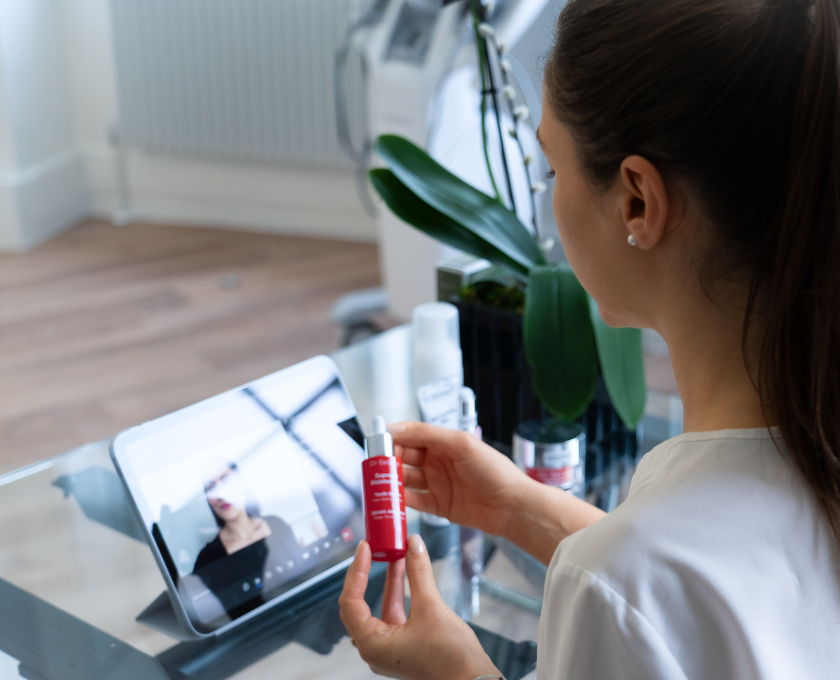
The Exo C Booster combines plant-derived exosomes with next-generation vitamin C and antioxidant botanicals, designed to strengthen the skin barrier, reduce oxidative stress and support the regenerative processes Dr Sebagh describes above.
Shop Exo C Booster →
06
Polynucleotides and PDRN are being called the breakthrough ingredient of the year. Where do they fit into your practice, and who are they genuinely for?
Polynucleotides are one of the most exciting developments we have seen in recent years. But like every good treatment, they need to be used for the right reason and in the right patient.
One of the biggest changes in aesthetic medicine is that we are becoming less interested in adding volume and much more interested in improving tissue quality. That is exactly where polynucleotides excel. They don't fill. They don't freeze. They don't lift. They improve the biology of the skin, stimulating fibroblasts, reducing inflammation and encouraging tissue repair so the skin becomes healthier, stronger and more resilient over time.
Patients often ask me, "Will I look different?" My answer is usually: "No, you'll simply look better." And that is precisely the point.
I use polynucleotides where skin quality matters far more than volume: around the eyes, the neck, the décolleté and the hands, areas where traditional fillers can easily become visible or unnatural.
In my clinic, however, I rarely believe in isolated treatments. The future of regenerative medicine is about combining therapies intelligently, polynucleotides alongside hyaluronic acid, PRP, autologous exosomes and carefully selected regenerative treatments. Each contributes something different. Together, they create a biological environment that encourages the skin to regenerate more effectively than any single product could achieve alone.
Patients don't come to me asking for polynucleotides. They come asking to look fresher, healthier and like themselves. Our job is to choose the best combination to achieve exactly that. In the end, patients don't need more products. They need better medical judgement.
07
Filler for volume versus biostimulation for structure: has the balance shifted permanently?
Yes, I believe it has. And I think that is one of the healthiest changes our profession has experienced.
I have nothing against hyaluronic acid fillers. In fact, I had the privilege of working alongside Allergan during the early development of Juvéderm, and fillers remain an invaluable part of my practice. The problem has never been the product. The problem has always been how it is used.
Over the past decade, we reached a point where volume became the answer to almost every aesthetic concern. Eventually, many faces lost what made them unique. We forgot a fundamental principle of medicine: a diagnosis should always come before a treatment. Ageing is far more complex than volume loss alone. The face ages in four dimensions: bone, muscle, fat and skin. If we only replace fat with filler, we are treating just one part of a much bigger picture.
This is why I believe the future belongs to biostimulation. Instead of simply replacing lost volume, we stimulate collagen, improve tissue quality, strengthen the skin and encourage the body to repair itself. When filler is needed, I now tend to use less, but I use it more strategically. A small amount, placed in exactly the right anatomical plane, can achieve far more than large volumes chasing every shadow on the face.
After forty years of practice, I have become increasingly convinced that aesthetic medicine should never draw attention to itself. People shouldn't notice the filler. They should notice the person. The most beautiful compliment a patient can receive is not, "Have you had work done?" It is, "You look incredibly well. Have you been on holiday?"
"People shouldn't notice the filler. They should notice the person."
08
What is the most common mistake you see in the faces of people who have been overtreated elsewhere?
The biggest mistake is surprisingly simple: treating the symptom instead of understanding the cause.
A patient notices a hollow. Someone fills the hollow. Six months later another shadow appears. That gets filled too. Eventually the face becomes heavier, wider and less expressive, not because the products are bad, but because nobody stopped to ask the most important question: "Why has this face changed?"
Ageing is never one-dimensional. It is not simply about losing volume. The skeleton changes. The muscles change. The fat compartments change. The skin changes. Even the way light reflects across the face changes. If you only chase every line or every hollow, you lose the architecture of the face.
I often compare it to restoring a beautiful old building. If a crack appears in a wall, you don't simply paint over the crack. You first ask why the wall cracked. The same principle applies to the face.
Another mistake is treating people far too early, and far too much. Social media has created enormous anxiety around perfectly normal ageing. Medicine should never create insecurity. Our role is to restore confidence, not manufacture concern.
One of the hardest words for an aesthetic doctor to say is "No." Ironically, it is also one of the most valuable. Some of my happiest patients are the ones I persuaded not to have treatment, because they realised they didn't need to look different. They simply needed reassurance.
"A great injector knows where to place a needle. A great doctor knows when not to pick it up."
09
Prejuvenation and collagen banking are everywhere on social media. Is starting early sensible medicine, or is it selling treatment to people who don't need it?
The concept is absolutely right. The way it is sometimes marketed is absolutely wrong.
I have believed in prevention throughout my entire career. Long before the term prejuvenation existed, I was encouraging patients to look after their skin before visible ageing became established. That simply makes medical sense. It is always easier to preserve healthy collagen than to rebuild collagen that has already disappeared.
But prevention should never become an excuse for overtreatment. Unfortunately, social media has blurred that distinction. Today I see perfectly beautiful women in their twenties convinced they are already ageing because they compare themselves to filtered images that don't even exist in real life. That concerns me. Medicine should never create patients. It should care for them.
A healthy woman of twenty-five rarely needs fillers. She needs good skincare. Daily sun protection. Healthy habits. Perhaps, in some cases, carefully considered preventative treatments that stimulate collagen. But the objective is always the same: to preserve what is already beautiful. Not to change it.
The expression "collagen banking" is actually quite a good analogy. You invest little by little over many years. You don't try to make a fortune overnight. Small, intelligent interventions performed at the right time can delay much more invasive procedures by many years. I would much rather see a patient every year for twenty years than try to transform them at sixty.
The irony is that good prevention should mean needing less treatment in the future, not more. The purpose of prevention is freedom, not lifelong dependence on aesthetic procedures.
10
If someone never sets foot in your clinic, what is the shortest list of things that will genuinely protect their skin over the decades?
People often expect me to recommend a long list of products. In reality, after more than forty years in practice, my advice has become increasingly simple.
First, protect it. Nothing ages the skin more than cumulative sun exposure. Daily sun protection remains the single most effective anti-ageing strategy we have. Add antioxidants, vitamin C in particular, to defend against pollution, free radicals and oxidative stress, and you have already done more than most people realise.
Second, respect your skin barrier. Healthy skin is resilient skin. Don't over-cleanse. Don't over-exfoliate. Don't assume stronger products produce better results. Sometimes the greatest improvement comes from allowing the skin to function exactly as nature intended.
Third, stimulate rather than simply correct. Vitamin C. Retinol. Peptides. Exosomes. Their purpose isn't to disguise ageing, it is to encourage the skin to behave more like younger skin. That philosophy has guided my entire career.
Fourth, be consistent. A simple routine performed every morning and evening for twenty years will always outperform the most expensive cream used occasionally.
And finally, look after yourself. Sleep well. Exercise regularly. Avoid smoking. Manage stress. Because no cream, laser or injection can completely compensate for a lifestyle that is constantly ageing the body from within.
As I have grown older myself, my definition of beauty has evolved. Today, I believe the most beautiful faces are not necessarily the youngest. They are the healthiest. The calmest. The happiest. The ones that still look completely like themselves.
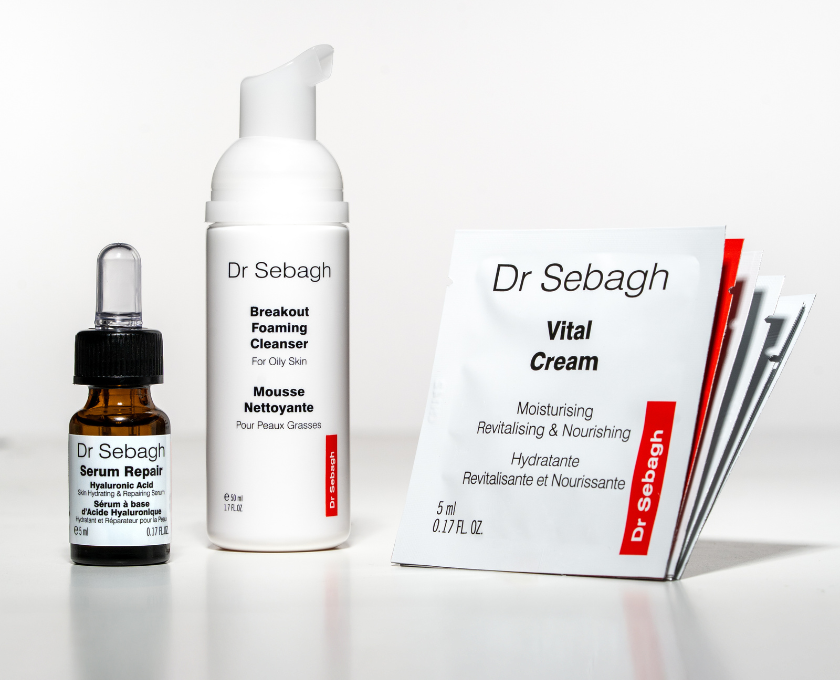
The Serum Repair delivers the humectants, collagen peptides and regenerative complexes that sit at the heart of Dr Sebagh's daily protocol, supporting barrier recovery, moisture retention and skin quality over time.
Shop Serum Repair →
Final Reflection
For more than forty years, I have had the privilege of watching aesthetic medicine evolve from correcting wrinkles to understanding biology. Treatments will continue to change. Technology will continue to evolve. But one principle has never changed.
The most beautiful results are those that preserve who you are. My ambition has never been to make people look younger. It has always been to help them look healthier, feel more confident and age with dignity. Because beauty is not about perfection. It is about authenticity. It is about remaining recognisably yourself at every stage of life.
Ageing is inevitable. Looking artificial is not. The future of aesthetic medicine is not about changing faces. It is about preserving identity.
Don't fight ageing. Understand it. Respect it. Maintain it. And above all, make it meaningful.
Dr Jean-Louis SebaghRead more
Lab-made collagen is changing skincare. Discover what recombinant collagen is, how it differs from animal and marine collagen, and why it matters for firmer, smoother skin.

Why hands age faster than the face, what causes age spots and crepey skin, and how to treat both, at home and in clinic.
Leave a comment
All comments are moderated before being published.
This site is protected by hCaptcha and the hCaptcha Privacy Policy and Terms of Service apply.