

Crepey Skin: What Causes It and How to Treat It
Lines, you expect. Crepey skin tends to arrive unannounced.
One day you catch your arms in the mirror, or notice the skin on your chest has turned fine, soft and finely creased, like tissue paper. It is one of the most common skin changes as we age, and one of the least talked about.
“I remember catching sight of my arms in the mirror one day and thinking, when did my skin start looking like that?” Dr Sebagh client, 63
Here is what crepey skin is, why it happens, why menopause speeds it up, and what actually helps.
What is crepey skin?
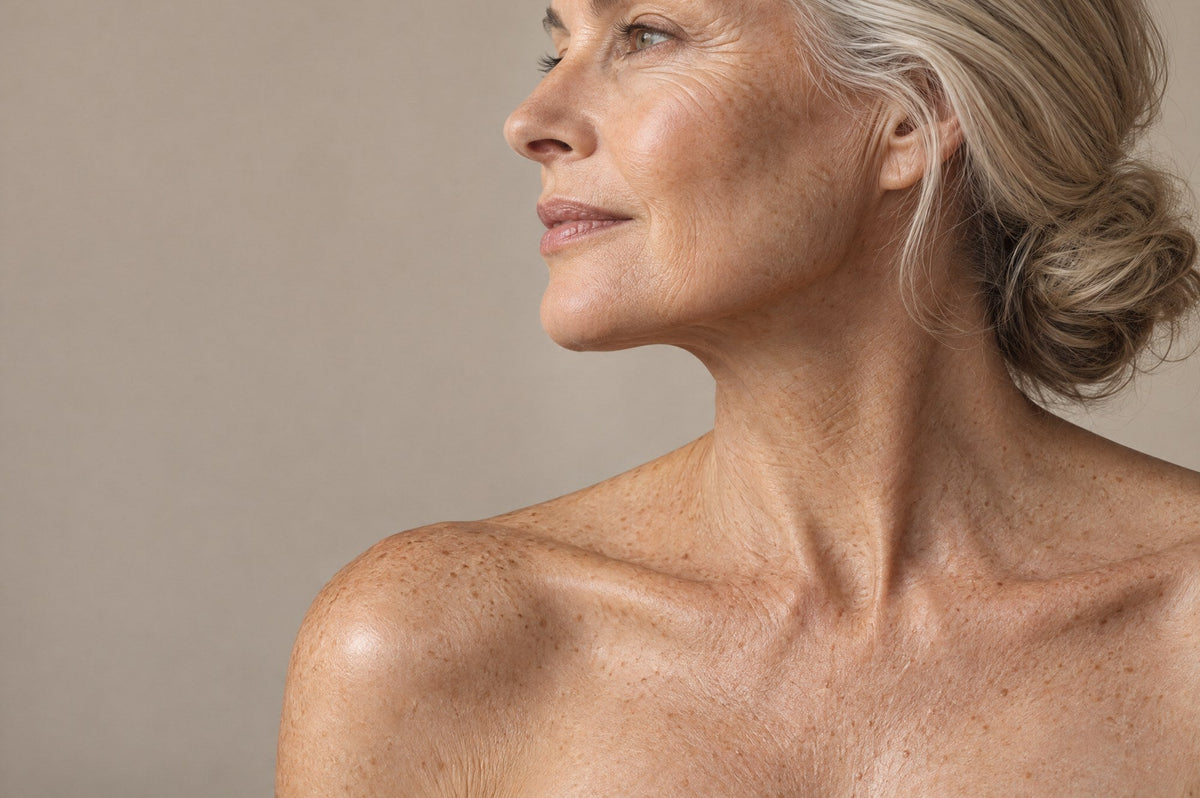
Crepey skin is skin that has become thin, dry and loose, with a fine, crinkled texture that resembles crepe paper. Unlike a wrinkle, which is a single line, crepiness covers an area. It often looks worse when you move, stretch or bend.
It shows up where skin is naturally thinner, or where it sees the most sun: the arms, chest, neck, under the eyes, the hands and the inner thighs.
What to reach for
Before the detail, the short answer for each area.
- Arms, chest and legs. The Retinol Body Renewal Set.
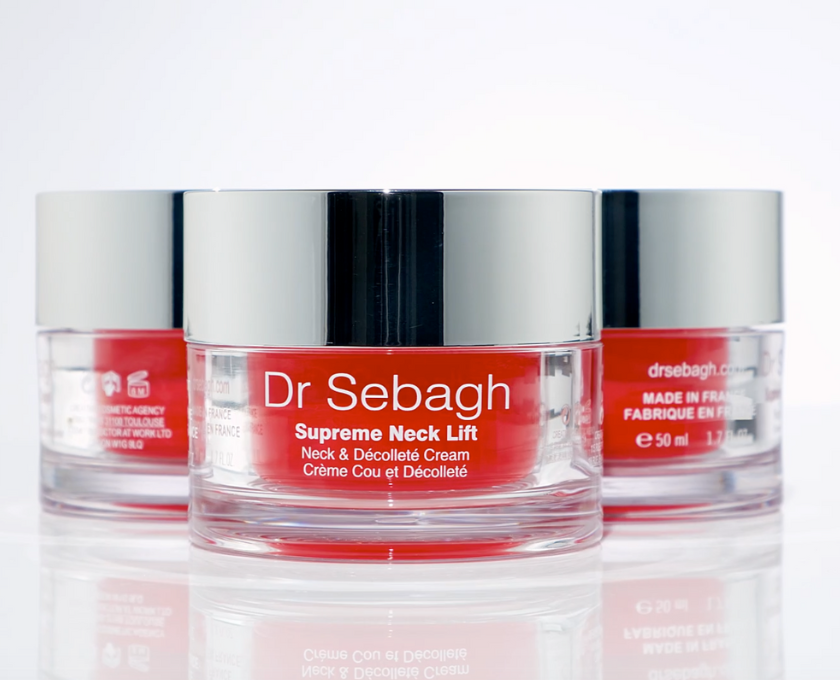
- Neck and décolletage. Supreme Neck Lift, morning and night.
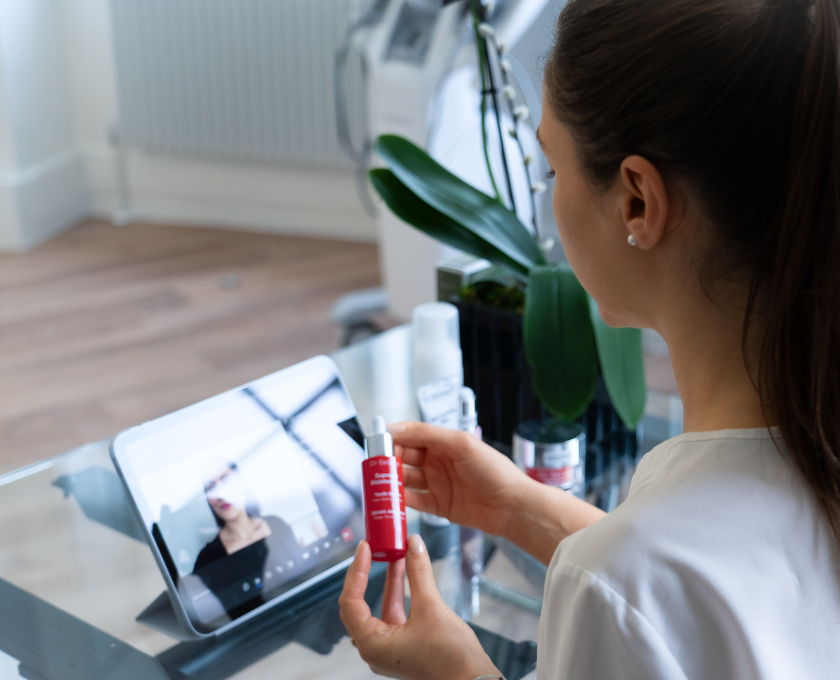
- Dry, depleted face. Rose de Vie Serum every morning.
- Hands. High Maintenance Hand Cream, last thing at night.


What causes crepey skin?
Crepey skin happens when the skin's support structure weakens. Collagen gives skin its firmness. Elastin lets it spring back. Hyaluronic acid and the skin's lipids hold in moisture. When all of these decline, skin thins, slackens and loses its bounce.
- Age. Collagen production slows every year from our mid-twenties.
- Sun exposure. UV breaks down collagen and elastin. It is why crepiness so often appears on the chest and forearms first.
- Dehydration. Dry skin shows every fine crease. Moisture plumps it.
- Weight changes. Skin that has been stretched can lose its snap.
- Hormones. Falling oestrogen in menopause is one of the biggest triggers of all.
Crepey skin and menopause
Menopause does not cause crepey skin on its own. It speeds it up, dramatically.
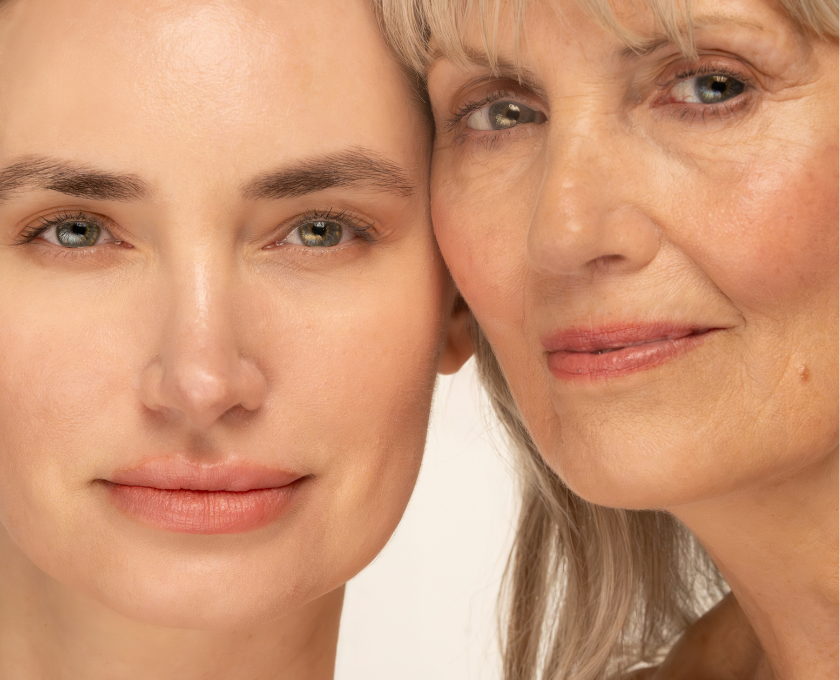
Oestrogen helps keep skin thick, plump and hydrated. As it declines, collagen, elasticity and the skin's ability to hold moisture all drop with it. Research suggests women's skin can lose around 30% of its collagen in the first five years of menopause, followed by a slower, steadier decline.
That is why so many women describe the change as sudden. Not just older skin. Different skin.
“What surprised me was how quickly the texture of my skin seemed to change. It wasn't simply that I looked older. My skin suddenly behaved differently.” Dr Sebagh client, 63
The dryness tends to come first, and it is not the kind a little extra moisturiser fixes. Then the plumpness goes. Then the crepiness appears, often below the jawline where nobody thought to look.
“Learning what was actually happening to my skin was almost a relief. I stopped asking, ‘What am I doing wrong?’ and started asking, ‘What does my skin need now?’” Dr Sebagh client, 63
For more on how menopause changes the face, read Menopause and Your Skin.
Crepey skin on the arms, chest and neck
Most of us spend years lavishing attention on our faces. Then crepiness turns up everywhere else.
- Arms. The skin on the upper and inner arm is thin and loses firmness quickly. It is the area women most often notice first, and feel most self-conscious about.
- Chest. The décolletage has thin skin and decades of sun exposure. Crepiness here often comes with pigmentation. Our guide to sunspots on the neck and chest covers that side of things.
- Neck. Constant movement, thin skin and almost no oil glands make the neck one of the first places to show change.
“I became more conscious of my arms and chest. I found myself reaching for sleeves and avoiding certain necklines. Nobody else may have noticed, but I did.” Dr Sebagh client, 63
The lesson is simple. Serious skincare should not stop at your chin.
How to get rid of crepey skin
There is no single miracle product. What works is treating crepey skin as skin, wherever it appears, with hydration, renewal and protection every day.
Treat your body like your face
Retinol is one of the most effective ingredients for improving skin texture. It encourages cell renewal and supports collagen. Most of us only ever use it above the jaw.
The Retinol Body Renewal Set brings it to the body. It pairs Retinol Night Repair, with 0.3% retinol, and Supreme Body, our concentrated firming body cream. Blended together, they create your own retinol body treatment that renews, firms and nourishes in one step.
Apply it to the arms, chest and legs in the evening. Start two or three nights a week and build up as your skin adjusts.
“Once I started treating my arms, chest and legs like I treat my face, I couldn't believe I'd ignored them for so long.” Dr Sebagh client, 63
Shop the Retinol Body Renewal Set
Hydrate, every morning
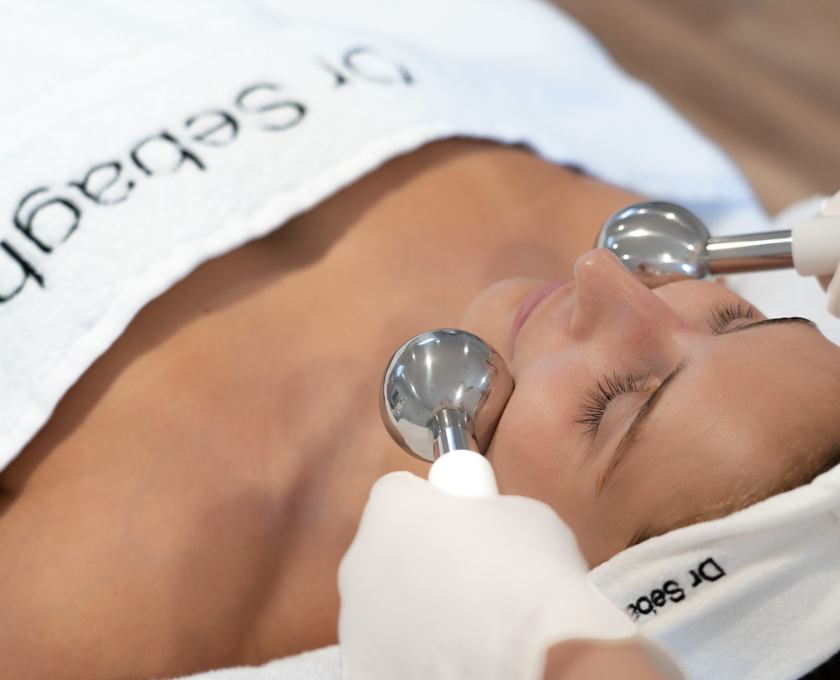
Dry skin makes crepiness look worse. Rose de Vie Serum gives the face a daily drink of hydration. Massage it in with the Facial Sculpting Tool, kept in the fridge for a cooling lift.
When skin feels especially depleted, a cold layer of Rose de Vie Hydrating Mask works like a compress.
Don't forget your neck
Give your neck the same care as your face. Supreme Neck Lift is made for the thin, delicate skin below the jaw.
“My rule now is simple: whatever love I'm giving my face, my neck deserves it too.” Dr Sebagh client, 63
And your hands
Hands crepe too, and they are always on show. Keep High Maintenance Hand Cream by the bed and make it the last thing you apply at night. For more, read our guide to ageing hands.
Protect it
Sun damage is the biggest avoidable cause of crepey skin. Wear SPF daily on every exposed area, including the chest, neck, arms and the backs of your hands.
Your routine at a glance
| Product | Area | Best For | Use |
|---|---|---|---|
| The Retinol Body Renewal Set | Arms, chest, legs | Crepey texture, loss of firmness, uneven tone | PM, two or three nights a week to start |
| Supreme Neck Lift | Neck, décolletage | Crepiness, horizontal lines, a softer jawline | AM and PM |
| Rose de Vie Serum | Face | Dryness, a weakened barrier, redness | AM |
| High Maintenance Hand Cream | Hands | Dry, thinning skin on the hands | PM, last thing at night |
Get expert advice
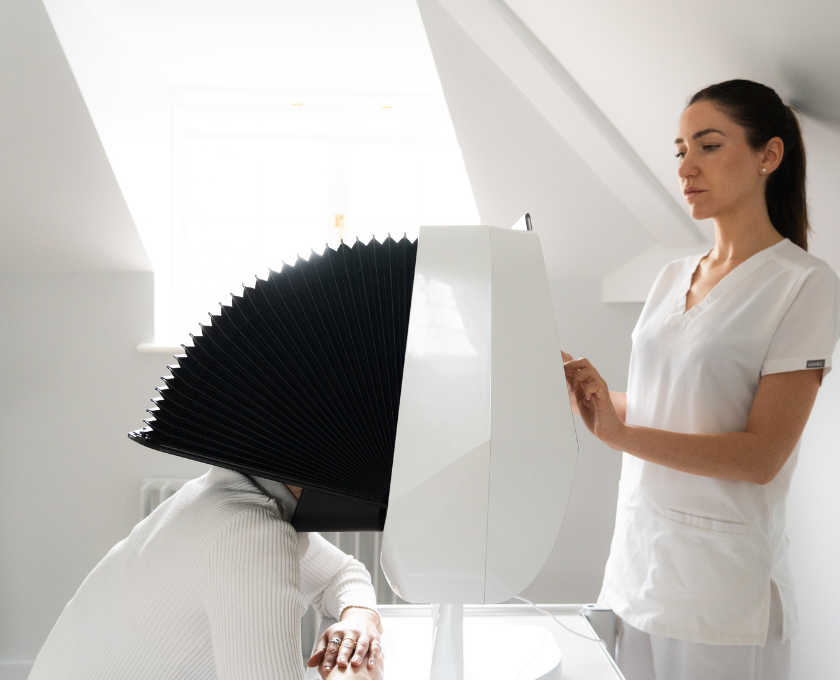
The routine that worked at 40 is rarely what skin needs at 55. A Dr Sebagh Skin Analysis helps you understand your skin now and build a routine around it. For a deeper reset, a Dr Sebagh facial at Liberty London combines professional massage and targeted treatment.
“At 63, I don't want ten products somebody on social media told me I need. I want the right products for my skin.” Dr Sebagh client, 63
Can crepey skin be reversed?
Not completely. But it can look and feel noticeably better.
Consistent retinol, rich nourishment, daily hydration and sun protection can improve texture, smoothness and softness over time. Expect weeks, not days. Consistency matters more than any one product.
And the goal does not have to be the skin you had at 30.
“If you're going through menopause and suddenly don't recognise your skin, don't think you're being vain. Your skin really is changing. Learn what it needs now rather than fighting to get back the skin you had before.” Dr Sebagh client, 63
Frequently asked questions
At what age does crepey skin start?
Most people first notice it in their forties or fifties. Sun exposure can bring it on earlier, and menopause often makes it appear quite suddenly.
Is crepey skin the same as wrinkles?
No. A wrinkle is a defined line or fold. Crepey skin is a texture across an area: thin, loose and finely creased, like crepe paper.
Can dehydration cause crepey skin?
Dehydration does not cause it on its own, but it makes it look much worse. Dry skin shows every fine crease. Well-hydrated skin looks smoother and plumper.
Can you use retinol on your body?
Yes. The arms, chest and legs respond well to retinol. Introduce it gradually, two or three evenings a week, blend it into a rich body cream, and wear SPF on treated areas during the day.
What is the best treatment for crepey skin on arms?
A consistent routine of retinol in the evening, a nourishing body cream and daily SPF. The Retinol Body Renewal Set combines the first two in one step.
Does menopause make crepey skin worse?
Yes. Falling oestrogen reduces collagen, elasticity and moisture, so crepiness often speeds up in the years around menopause. Adjusting your routine to what your skin needs now makes a real difference to how it looks and feels.
Where to start
Caring for crepey skin is not about one perfect product. It is a handful of small habits, repeated. Start with the body, where most of us have done nothing at all. The Retinol Body Renewal Set on the arms, chest and legs, Supreme Neck Lift below the jaw, and SPF everywhere the sun reaches.
“I'm not trying to get my 30-year-old skin back. I just want to look after the skin carrying me into the next chapter.” Dr Sebagh client, 63
Shop the Retinol Body Renewal Set
Leave a comment
All comments are moderated before being published.
This site is protected by hCaptcha and the hCaptcha Privacy Policy and Terms of Service apply.