


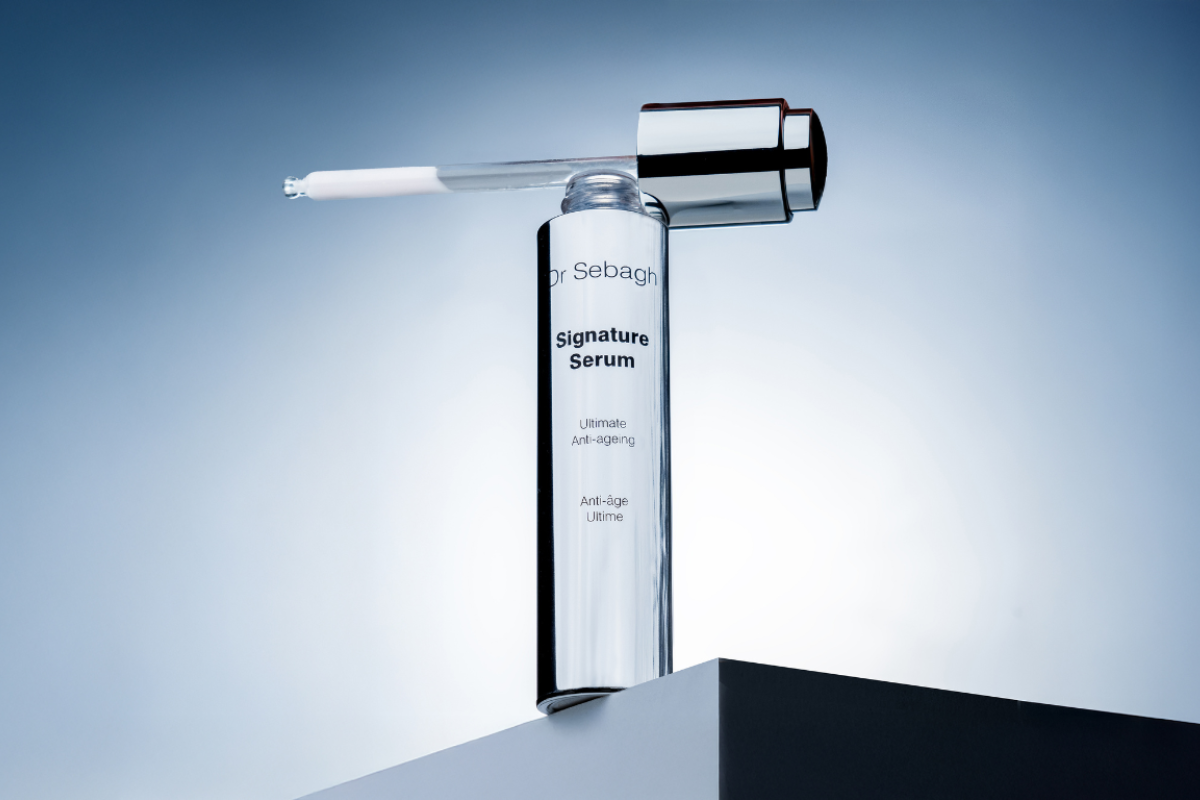
Telomeres and Skin Ageing: The Cellular Science of Skin Longevity
Every visible sign of ageing starts somewhere invisible. Before a line settles, before firmness goes, something has already changed inside the cell.
That something has a name. Telomeres.
They are the reason skin at fifty behaves differently to skin at thirty, even when the routine has not changed at all. And they are the reason Dr Sebagh spent five years developing a serum that works at the level of the cell nucleus rather than the surface of the skin.
Here is what is actually happening, and what skincare can and cannot do about it.
What are telomeres?
Telomeres are protective caps at the ends of your chromosomes, built from repeating sequences of DNA.
The usual analogy is the plastic tip on a shoelace, and it is a good one. The tip stops the lace fraying. The telomere stops the chromosome degrading when the cell divides. Without them, cells would lose functional genetic material every time they replicated.
Think of them as your cells' biological timekeepers. They record how many divisions a cell has left.

Why telomeres shorten, and what that does to skin
Every time a cell divides, its telomeres get a little shorter. This is normal. It is how the mechanism works.
The problem is what happens when they become critically short. The cell can no longer divide. It enters senescence, a kind of biological retirement in which the cell is still alive but no longer doing its job, or it undergoes apoptosis and dies.
In skin, a population of senescent cells shows up as:
- Loss of firmness and elasticity
- Fine lines and wrinkles
- Slower renewal and repair, so skin takes longer to recover
- Thinning of the skin
- A weaker barrier, which is why mature skin is often more sensitive and more prone to dryness
This is also why ageing is not linear. Skin can look much the same for years and then change noticeably in a short period. Senescent cells accumulate, and they influence the healthy cells around them.
Telomere shortening is not the only driver. Oxidative stress accelerates it. So do UV exposure, pollution, smoking, poor sleep and chronic stress, all of which raise the free radical load your cells have to deal with. Inflammaging is the same story told from the immune side.
Which leads to the question everyone asks next.
Can skincare protect your telomeres?
Honestly: no topical product lengthens telomeres, and you should be sceptical of any brand that says otherwise. Telomere length is governed by an enzyme called telomerase, and reversing telomere shortening in human skin is not something a serum does.
What advanced biotechnology can do is address the conditions that make telomeres shorten faster than they need to.
That means limiting oxidative stress, supporting the cell's energy production so it can carry out repair properly, and helping cells maintain more youthful function for longer. Slowing the rate of cellular ageing rather than reversing it.
Less romantic than the marketing. Considerably more honest. And it is the entire premise of skin longevity as a category: not erasing age, but protecting how well skin functions as it ages.
The serum that was never meant to be sold
Signature Serum did not begin as a retail product. It was created for the clients of Dr Sebagh's London and Paris clinics, and for a long time it arrived with an embossed card carrying a private telephone number and a password, which bought you a priority appointment with him. That was the level of expectation attached to it. It had to deliver, quickly, on several fronts at once.
Five years in development. The brief was to work at the heart of the cell rather than on the surface of the skin, targeting the ageing of the cell nucleus and delaying metabolic and nucleus senescence, while limiting the oxidative stress that accelerates the whole process.
Dr Sebagh describes it as his avant-garde longevity serum, designed to work with the skin's overnight regenerative rhythm.
"From the very first time you apply this luxurious serum you will discover a marked difference in the way your skin looks. It immediately feels softer, plumper and looks more radiant."
Dr Jean-Louis Sebagh

Inside the formula
The formula is built on three pillars: a longevity core that works at cellular level, barrier and microbiome support, and an anti-pollution shield.
The longevity core
Juvinity, the youth cell activator. A biotech longevity active that works on the ageing of the cell's nucleus, encouraging it to behave like a young cell and delaying metabolic and nucleus senescence. It also limits oxidative stress and telomere shortening, supporting optimum metabolism and the replication of young cells. Note the wording: limiting how fast telomeres shorten, not lengthening them.
Chronodyn, derived from the microalgae Euglena gracilis. It works in tandem with the body's chronobiological clock, supporting the skin's night cycle and cellular energy in the form of ATP, the molecule cells run on. Skin looks re-firmed and less fatigued. It is why the serum is at its most potent at night, and why it pairs with what we know about overnight skin renewal.
Barrier and microbiome support
Sodium hyaluronate for hydration and comfort. Dehydrated skin looks older than it is, and no amount of cellular work shows on the surface without it.
Alpha-glucan oligosaccharide, a natural prebiotic that supports beneficial skin flora. It also has antioxidant benefits and a role in the antimicrobial peptides skin cells produce themselves. Barrier and microbiome support matters more as skin thins.
Sesame seed oil, wheat germ oil and rapeseed sterols, nourishing oils and plant sterols that help repair and reinforce the barrier and supply essential fatty acids.
Vitamin E, in both its stable and active forms, working as an antioxidant throughout the formula.
The anti-pollution shield
Biosaccharide Gum-4 forms a protective matrix that helps shield skin from pollutant particles and external aggressors. Pollution is one of the environmental drivers that raises oxidative load, so shielding against it is part of the same cellular story rather than a separate benefit. More on that in what city living does to your skin.
Date seed extract supports elasticity and hydration, so skin looks stronger. It has its own story worth reading.
What Signature Serum does for skin
One serum, working on several levels at once. With consistent use it helps support:
- Elasticity and firmness
- Hydration and plumpness
- Barrier strength
- A smoother, more rested look
- Radiance and a more even tone
- Defence against pollution and free radical damage
Suitable for most skin types, formulated with mature skin in mind.
-

The longevity core. Juvinity and Chronodyn working at cellular level, night and morning.
30ml £250£475
Shop now -

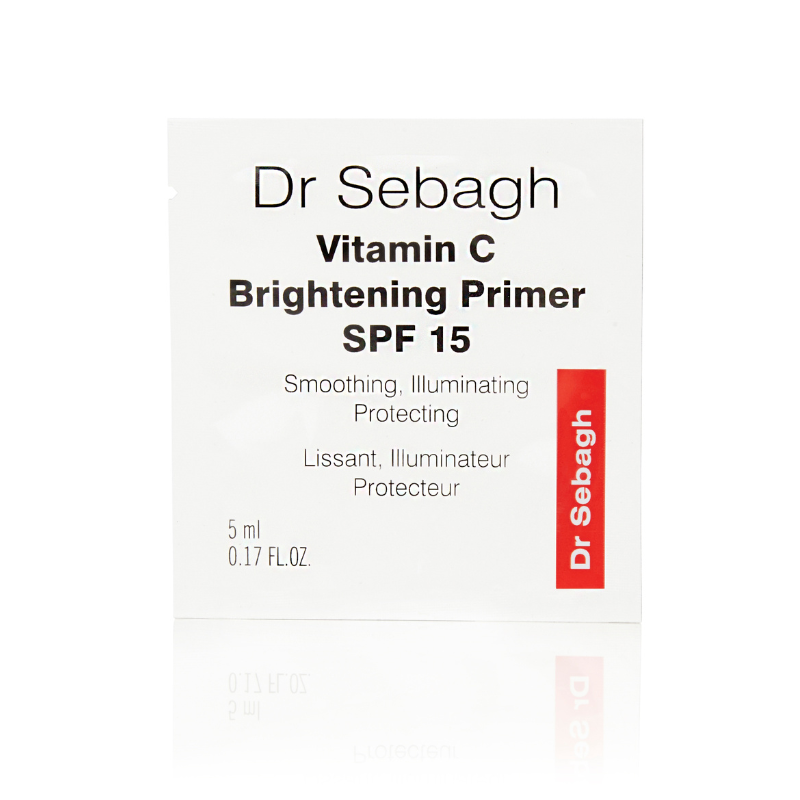
Morning antioxidant defence. Exosomes and next-generation vitamin C against oxidative load.
30ml £61.20
Shop now -

Night renewal. The most studied route to supporting the skin's own collagen processes.
30ml £64.80
Shop now -

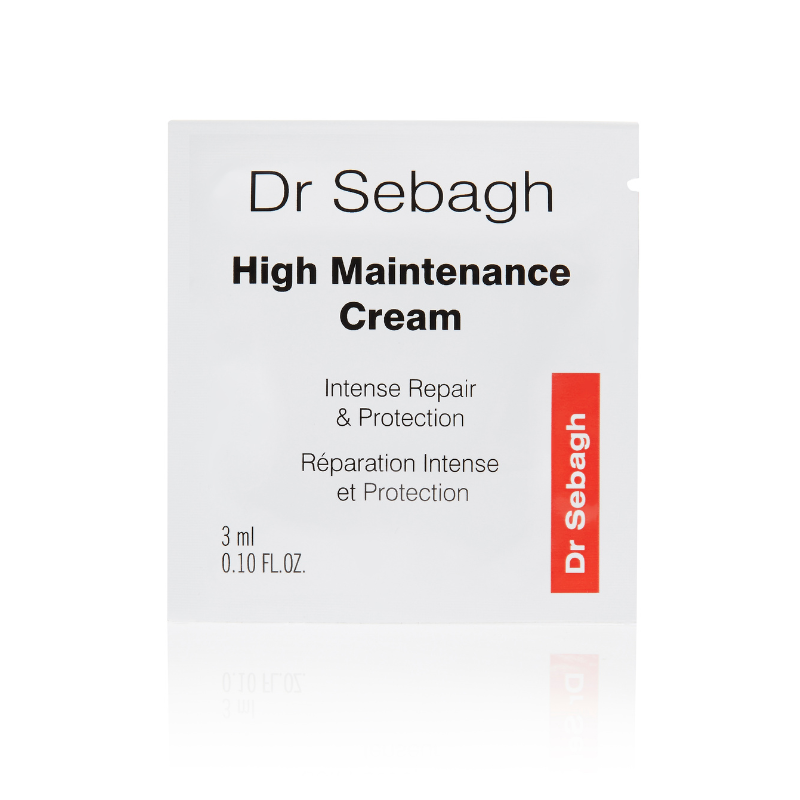
The cream over the serum. Dr Sebagh's own overnight pairing, mixed with a few drops of Signature Serum.
50ml £175.50
Shop now
Serum or cream: which does the cellular work?
Both, but not the same work.
Serums are lightweight and highly concentrated. Smaller molecules, higher active loads, designed to deliver potent ingredients into the skin. Creams sit above them, sealing in what the serum delivered and reinforcing the barrier.
So it is not a choice. A serum without a cream loses some of its benefit to evaporation. A cream without a serum is comfort without much correction. For the cellular work described here, the serum is the vehicle. Our full breakdown is in what a serum actually is and why serums are more powerful than creams.

How to use Signature Serum
Apply to the face and neck morning and night, immediately after cleansing. Shake well before use.
It is especially potent at night, working with the skin's own regenerative rhythm. In the morning, follow with moisturiser and SPF.
Signature Serum can be used on its own or blended with the other serums from the Dr Sebagh Serum Bar, the bespoke-blending approach Dr Sebagh introduced in 2005.
Frequently asked questions
What are telomeres in simple terms?
Protective caps at the ends of your chromosomes, made of repeating DNA. They stop chromosomes degrading when cells divide, and they shorten a little with each division, which is why they are described as cellular timekeepers.
Do telomeres affect how skin ages?
Yes. As telomeres shorten, cells eventually stop dividing and enter senescence. In skin that shows up as loss of firmness and elasticity, slower renewal, thinning, a weaker barrier and more visible lines.
Can a serum lengthen telomeres?
No, and no skincare brand should claim it can. What advanced actives can do is help limit the oxidative stress that accelerates telomere shortening and support the cellular energy skin needs to repair itself.
What is skin longevity?
The shift from trying to erase visible age to protecting how well skin functions over time: cellular energy, renewal capacity, barrier strength and antioxidant defence. Dr Sebagh has been working this way for forty years.
Does pollution really age skin?
Yes. Pollutant particles raise the free radical load skin has to manage, and oxidative stress is one of the things that accelerates cellular ageing. It is why the formula includes a protective shield alongside the longevity actives.
Is Signature Serum suitable for younger skin?
It is formulated for mature skin and for anyone wanting a serious longevity treatment. Telomere shortening starts long before it becomes visible, so prevention is legitimate, but a younger skin's budget is usually better spent on antioxidant protection and daily SPF first.
When will I see results?
Softness, plumpness and radiance are the fastest to show. The firmness and elasticity benefits build with consistent use over weeks, because the cellular processes involved are slow ones.
Read more

Why hands age faster than the face, what causes age spots and crepey skin, and how to treat both, at home and in clinic.
Customers rarely ask for an ingredient. They ask for a result. This guide translates the concerns we hear most often into the active that answers them, and the product that delivers it.
Leave a comment
All comments are moderated before being published.
This site is protected by hCaptcha and the hCaptcha Privacy Policy and Terms of Service apply.