






Is City Living Damaging Your Skin?
Urban Skin and Pollution: At a Glance
| What it is | City living exposes skin to a constant stream of pollution particles, ozone and environmental free radicals that dull the complexion, disrupt the barrier and accelerate visible ageing — independently of UV exposure. |
| The products | Morning: Exo C Booster, Supreme Maintenance Youth Serum, Pure Vitamin C Powder Cream, Supreme Day Cream, Vitamin C Brightening Primer SPF 15 Cream. Evening: Skin Perfecting Mask (1–2× weekly), Crème High Maintenance, Supreme Night Cream. Glow & tone: Self Tanning Drops. |
| Key ingredients | Vitamin C (antioxidant + brightening), broad-spectrum SPF (UV defence), AHAs (pollution buildup removal), barrier-repairing hydrators, niacinamide and peptides (strengthen skin barrier + calm pollution-driven redness). |
| Best for | All skin types in urban or high-pollution environments, particularly those noticing dullness, congestion, uneven tone or fine lines appearing earlier than expected. |
| Ideal if | You commute regularly, live in a city, spend long hours in air-conditioned spaces or in front of screens. |
| Key benefits | Neutralising pollution-driven free radicals; brightening and evening skin tone; reinforcing the barrier; refining pores; reducing dark spots. |
Supreme Maintenance Youth Serum Shop →
Pure Vitamin C Powder Cream Shop →
City life is endlessly exciting — but it takes a quiet toll on the health of your skin. From traffic fumes to office air conditioning and hours in front of blue-lit screens, urban living creates a near-constant stream of free radicals that dull the complexion, disrupt the skin barrier and accelerate visible ageing in ways that UV alone cannot account for.
The good news is that the mechanisms are well understood, and the solutions are straightforward. Cleanse thoroughly, layer daily antioxidants, reinforce the skin barrier, wear SPF every morning and renew with a weekly exfoliant. This guide explains the science — and the Dr Sebagh products formulated to support urban skin.

01 — Free Radicals and Oxidative Stress
What Do Free Radicals Actually Do to Your Skin?
Free radicals are highly unstable molecules with a missing electron. In their relentless search for stability, they steal electrons from healthy skin cells — damaging DNA, proteins and cell membranes in the process. The cumulative effect is oxidative stress: a state of cellular imbalance that accelerates the breakdown of collagen and elastin, triggers dehydration, deepens pigmentation and enlarges the appearance of pores.
The skin has its own antioxidant defence network — enzymes and molecules that neutralise free radicals before they cause lasting damage. The problem is capacity. In a heavy urban environment, the sheer volume of incoming free radicals outpaces what the skin can handle on its own. This is where topical antioxidants do their most important work: not replacing the skin's defences, but reinforcing them.
"In a heavy urban environment, the volume of incoming free radicals outpaces what the skin's own defences can neutralise alone."
What free radicals damage
The mechanisms- DNA in skin cells, disrupting normal cell renewal
- Collagen and elastin fibres, accelerating structural ageing
- Cell membranes, increasing barrier permeability and moisture loss
- Melanin regulation, worsening uneven tone and dark spots
What you see on the skin
The visible results- Dullness and a loss of natural radiance
- Fine lines and reduced skin firmness
- Congestion, enlarged pores and rough texture
- Uneven tone, dark spots and post-inflammatory pigmentation
Vitamin C is the most comprehensively researched topical antioxidant. The Exo C Booster delivers a daily concentrated dose — neutralising pollution-driven free radicals, brightening uneven tone and supporting the collagen-synthesis pathway that oxidative stress suppresses. Applied in the morning, it forms the first line of your urban defence.
Shop Exo C Booster →Dr Sebagh's original Pure Vitamin C Powder Cream remains fully potent until the moment of application — the stabilised powder format that started the vitamin C skincare conversation. A direct antioxidant hit for pollution-stressed skin that also supports collagen synthesis and brightens uneven tone caused by environmental damage.
Shop Pure Vitamin C Powder Cream →02 — Pollution and Skin Ageing
How Does Urban Pollution Accelerate Skin Ageing?
The pollution in city air is not a single substance. It is a mixture of ultrafine particles — so small they are invisible to the eye — along with polycyclic aromatic hydrocarbons, nitrogen dioxide and ozone. Each acts on the skin differently, but the cumulative effect is the same: a sustained oxidative assault that the skin is not designed to withstand indefinitely.
Ultrafine particulate matter clings to the skin's surface, lodging in pores and driving localised inflammation that breaks down the structural proteins responsible for firmness and elasticity. Ozone — a reactive gas present throughout city air — is particularly aggressive towards the skin's own antioxidant reserves: it depletes vitamin C and vitamin E at the surface faster than the body can replenish them, leaving skin progressively less able to defend itself. The visible consequence is dullness, rough texture, congestion, dark spots and reduced elasticity — often appearing years earlier than in those living in lower-pollution environments.
"Ozone depletes the skin's own vitamin C and vitamin E at the surface faster than the body can replenish them."
This is why standard skincare advice is insufficient for urban skin. Moisturising alone does not address oxidative depletion. Wearing SPF is essential but targets UV — not ozone or particulate matter. For city skin, a dedicated daily antioxidant layer applied before moisturiser and SPF is not optional: it is the foundation of an effective routine.
The Exo C Booster addresses the specific antioxidant depletion that ozone and pollution drive at the skin's surface. Its next-generation vitamin C complex — more stable and less sensitising than traditional L-ascorbic acid formulations — replenishes what pollution takes, morning after morning.
Shop Exo C Booster →
03 — Indoor Stressors
What About Aircon, Heating, Blue Light and HEV?
Outdoor pollution is the primary concern for urban skin, but it does not act alone. The environments most city-dwellers spend the majority of their time in — offices, commutes, homes — introduce their own skin stressors that compound the damage done outside.
Air conditioning and central heating both strip moisture from the air, increasing transepidermal water loss (TEWL) and placing sustained pressure on the skin barrier's ability to retain hydration. The result is persistent tightness, flakiness and a compromised barrier that is less effective at keeping out the external irritants encountered on the commute.
Blue light from screens is a separate but related factor. Unlike UV, it does not cause sunburn — but at the cumulative exposure levels typical of a working day, it can generate reactive oxygen species in the skin, contribute to oxidative stress and, in those with deeper skin tones, worsen pigmentation. Antioxidants remain the best daily defence here too, with SPF providing an additional layer of protection.
Closely related is HEV light — High Energy Visible light, the high-frequency end of the visible spectrum emitted by both screens and sunlight. HEV penetrates deeper than UVB and generates free radicals that contribute to oxidative stress, collagen degradation and pigmentation irregularities over time. A number of Dr Sebagh formulations are developed with HEV protection in mind, making them particularly well-suited to the demands of urban, screen-heavy lifestyles.
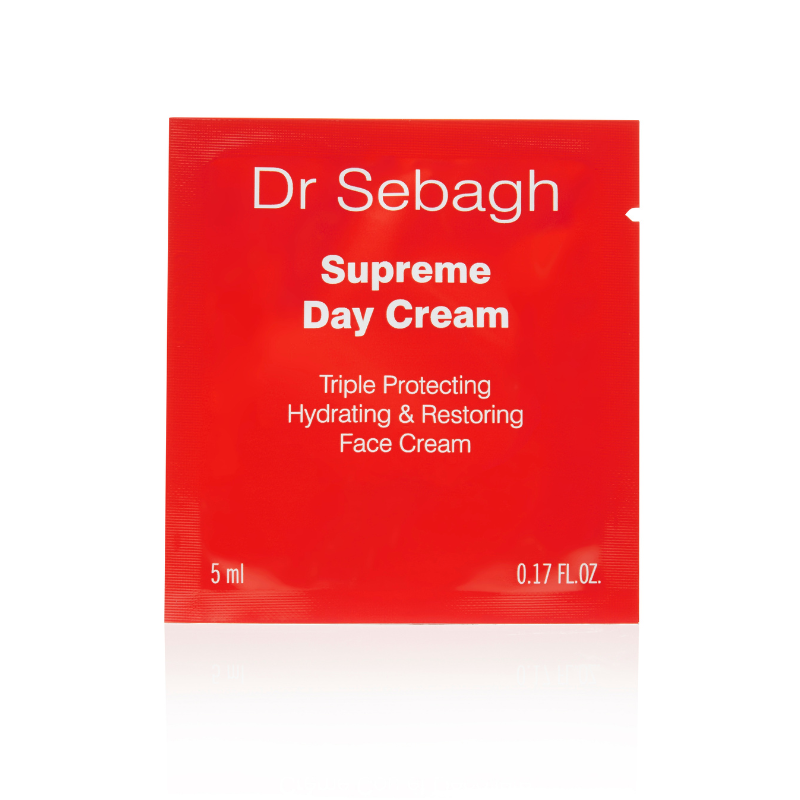
The Supreme Day Cream and Self Tanning Drops both contain actives that help defend against HEV light stress — an important consideration for anyone spending significant time in front of screens or outdoors in the city. The Supreme Day Cream provides daily antioxidant protection and barrier reinforcement, while the Self Tanning Drops offer a healthy-looking glow that works with — not against — your skin's natural defences.
Shop Supreme Day Cream → Shop Self Tanning Drops →04 — The Dr Sebagh Urban Shield Routine
The Best Skincare Routine for City Skin
No skincare routine eliminates urban pollution. But a well-structured daily protocol can meaningfully counter its effects: neutralising the free radicals it generates, reinforcing the barrier it compromises, and clearing the buildup it leaves behind. The Dr Sebagh approach divides this into a morning shield, and a weekly reset.

EPF: Environmental Protection Factor
While SPF measures defence against UV radiation specifically, EPF — Environmental Protection Factor — goes further. It indicates a formulation's ability to defend against the broader range of environmental aggressors that urban skin faces daily: pollution particles, free radicals, oxidative stress, HEV light and infrared radiation. For city skin, EPF is arguably the more relevant measure of real-world protection. A number of Dr Sebagh formulations are developed with EPF in mind, offering multi-layered environmental defence that goes well beyond standard sun protection.
Morning — The Urban Shield
Cleanse → Antioxidant → Moisturise → Protect

Exo C Booster
Apply a few drops directly to cleansed skin before moisturiser. The vitamin C complex neutralises pollution-induced free radicals, brightens uneven tone and supports collagen synthesis — the precise processes urban oxidative stress suppresses. The foundation of the morning routine.

Supreme Day Cream
A hydrating, illuminating moisturiser with advanced antioxidant protection. Reinforces the barrier against aircon-driven dehydration, defends against blue light oxidative stress and provides a luminous base — layered over the Exo C Booster for compounded antioxidant coverage throughout the day.

Vitamin C Brightening Primer SPF 15
The finishing step. This multi-functional day cream combines stabilised Vitamin C, Hyaluronic Acid and Algae Extracts with SPF 15 UV protection — brightening, smoothing and defending in a single lightweight formula. Worn alone or under makeup, it seals the morning routine with an extra layer of vitamin C, hydration and environmental defence. Skin looks instantly brighter and more even, with radiance that builds over time.

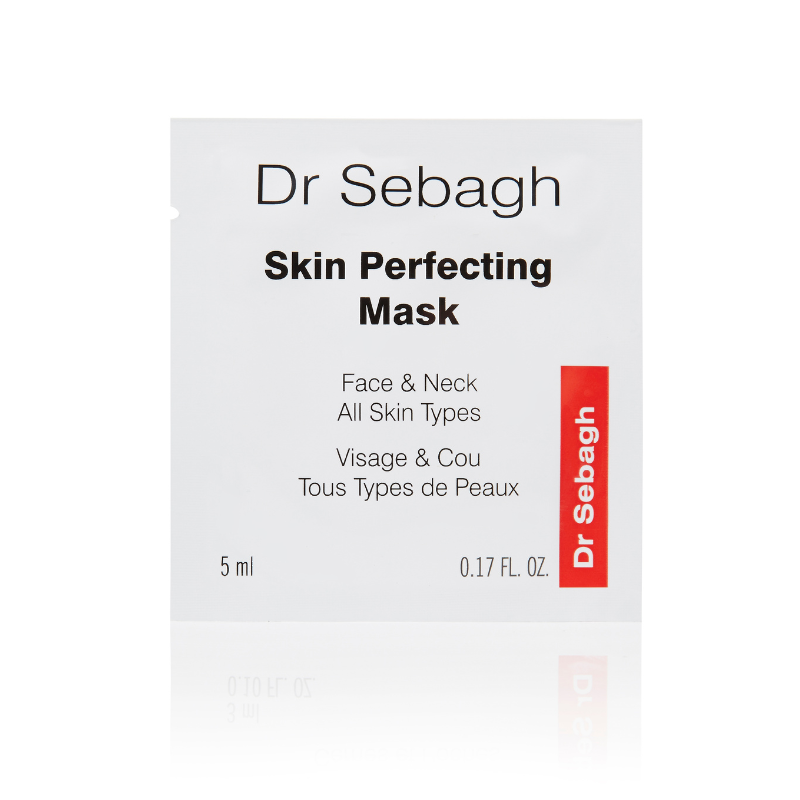
Skin Perfecting Mask
Use once or twice a week in the evening. Formulated with EPF (Environmental Protection Factor), the Skin Perfecting Mask refines pores, restores clarity and removes the film of pollution particles and dead cells that accumulates on city skin — so that the active ingredients in your morning routine can penetrate more effectively.
Evening — Cleanse and Restore
On days you have been outdoors in the city, double cleanse in the evening. A single cleanse is often insufficient to remove ultrafine particulate matter that has settled into pores throughout the day. Double cleansing clears pollution buildup without stripping the barrier, so that actives applied afterwards are working on clean, receptive skin.
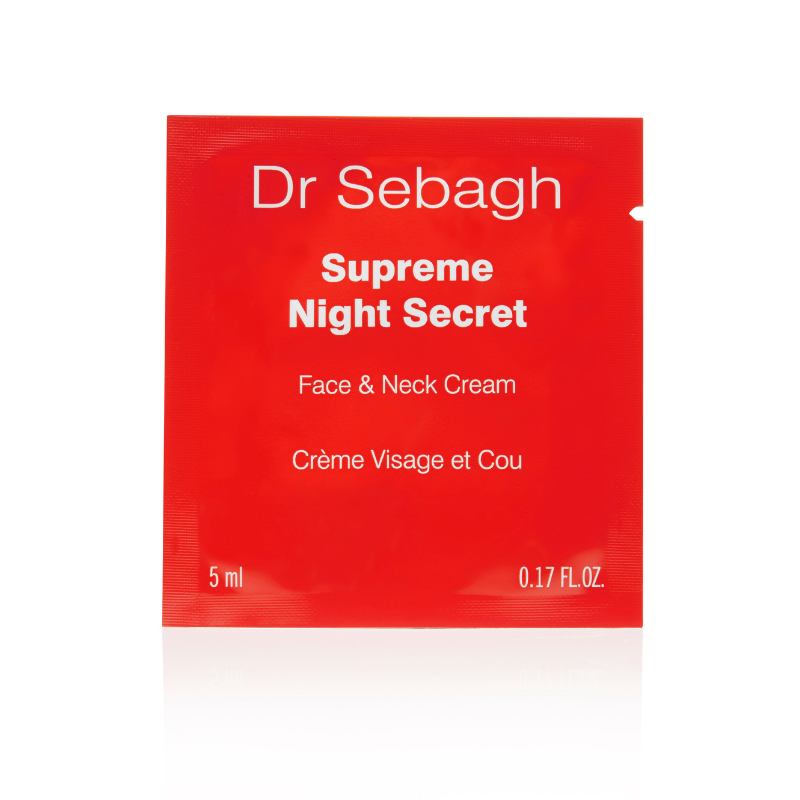
Finish with the Supreme Night Cream: a super-hydrating power moisturiser designed to restore the skin while you sleep. With the barrier under daily pressure from pollution and drying indoor environments, overnight hydration and barrier support are not optional extras — they are the recovery phase that makes the morning routine effective.
The Supreme Night Cream is an intensely restorative overnight moisturiser that works with the skin's natural repair cycle. Whether used on its own or after the Skin Perfecting Mask, it is the final step that closes the loop: protecting against overnight moisture loss and allowing the barrier — depleted by a day in the city — to genuinely recover.
Shop Supreme Night Cream →
05 — Smart Habits for City Skin
Beyond Skincare: Simple Habits That Help
The right skincare routine does the heavy lifting — but a few simple habits meaningfully reduce the oxidative load your skin faces each day.
- Ventilate your home and workspace. Stale indoor air concentrates pollutants that have drifted in from outside. Opening windows for 10–15 minutes daily reduces this buildup and gives the skin a lower-pollution environment for overnight recovery.
- Clean your phone screen and glasses regularly. Both accumulate surface grime throughout the day and transfer it directly to the skin on contact. A quick wipe removes a surprisingly significant source of topical irritation.
- Eat a colourful, plant-rich diet. Dietary antioxidants — particularly those from berries, leafy greens and brightly coloured vegetables — complement topical care by supporting the body's internal defence systems.
- Prioritise sleep. The skin's own antioxidant systems reset and replenish overnight. Consistent, quality sleep is not a passive luxury — it is an active part of urban skin maintenance that no topical product fully replaces.
Questions & Answers
Frequently Asked Questions
Does SPF protect against pollution — and do I still need antioxidants if I wear it every day?
SPF protects specifically against UV radiation — the single largest driver of free radical generation — but it does not block the particulate matter or ozone that urban environments add on top of UV. Pollution and ozone generate free radicals independently, without any sun exposure at all. Topical antioxidants, particularly vitamin C, fill the gap that SPF cannot: they neutralise reactive species at the skin surface regardless of their source. For city skin, antioxidants and SPF are complementary, not interchangeable.
Which skincare ingredients help most with pollution?
Vitamin C — ideally with supporting antioxidants such as vitamin E and ferulic acid — to neutralise multiple reactive species and counteract the surface depletion that ozone drives. Niacinamide and peptides to strengthen the barrier and calm pollution-driven redness. Hydrators such as hyaluronic acid and glycerin to counter dryness from aircon and heating. Gentle chemical exfoliants (AHAs) once or twice weekly to lift pollution particle buildup and keep pores clear.
Can pollution cause acne or enlarged pores?
Indirectly, yes. Ultrafine pollution particles settle into pores and oxidise sebum, creating conditions that promote congestion and make blackheads more likely. The inflammation driven by oxidative stress also enlarges the appearance of pores over time. Consistent cleansing — particularly double cleansing on commute days — and regular gentle exfoliation are the most effective countermeasures.
Does blue light from screens damage skin?
Blue light is significantly weaker than UV and does not cause sunburn. At cumulative screen exposure levels, however, it can contribute to oxidative stress and — in some skin tones — worsen pigmentation. The same morning antioxidant and SPF routine that defends against outdoor pollution also provides the most practical daily defence against blue light stress.
How often should I exfoliate if I live in a city?
Most skin types: 1–2 times per week with a gentle chemical exfoliant. Urban skin accumulates a film of particulate matter and dead cells that can reduce the effectiveness of the rest of your routine — regular exfoliation clears this, restoring clarity and improving penetration. More frequent exfoliation weakens the barrier and increases sensitivity, which is counterproductive when pollution is already placing it under pressure.
The Takeaway
Pollution Is Part of Urban Life. It Doesn't Have to Show on Your Skin.
Free radicals from traffic fumes, ozone and airborne particles are an unavoidable feature of city living — but the skin damage they cause is not. The mechanisms are well understood, and the solutions are practical: layer daily antioxidants to neutralise what pollution generates, reinforce the barrier against what it depletes, wear SPF every morning, and reset with a weekly gentle exfoliant.
With the Exo C Booster, Supreme Day Cream, Vitamin C Brightening Primer SPF 15 and the Skin Perfecting Mask, the Dr Sebagh Urban Shield routine keeps city skin clearer, brighter and more resilient — every single day.
Read more
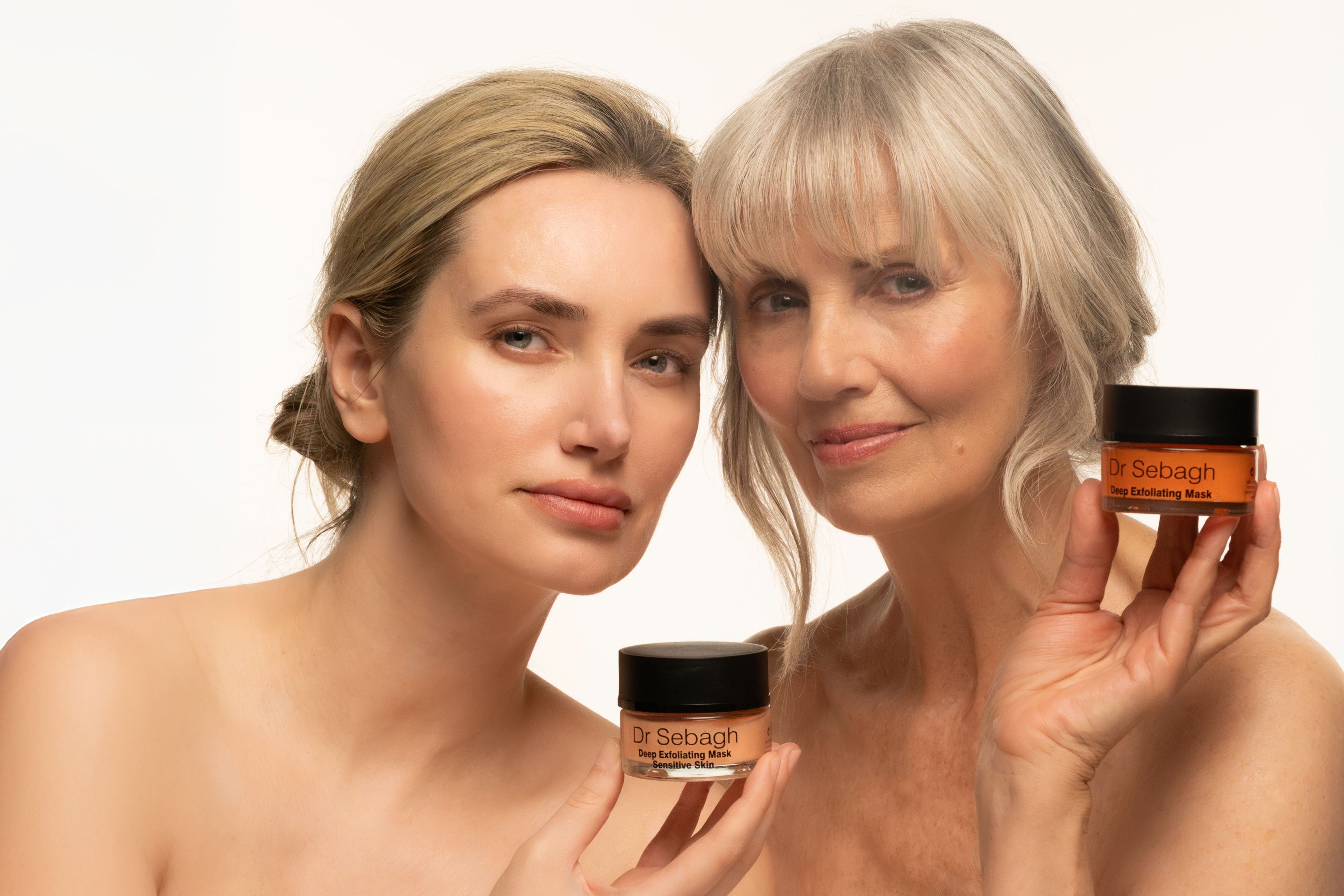
At Dr Sebagh, exfoliation is not an optional enhancement. It's considered a foundational step in what the brand calls the "ageing maintenance" routine. The Deep Exfoliating Mask, one of the brand's...

Discover how Dr Sebagh Self-Tanning Drops build a natural, streak-free colour while defending skin against HEV light, the overlooked cause of premature ageing.
Leave a comment
All comments are moderated before being published.
This site is protected by hCaptcha and the hCaptcha Privacy Policy and Terms of Service apply.