



What Is a Serum? Why Serums Are More Powerful Than Creams
What Is a Serum? Why Serums Are More Powerful Than Creams
One of the most common questions in skincare is also one of the most misunderstood:
what is the difference between a serum and a cream?
Both play an important role in a skincare routine, but they are not interchangeable. Understanding how they differ, and why serums are often more powerful than creams, is essential to achieving healthier, more responsive skin.
According to Dr Sebagh, the answer lies in stability, formulation, concentration and flexibility.
What Are Face Creams Made Of?
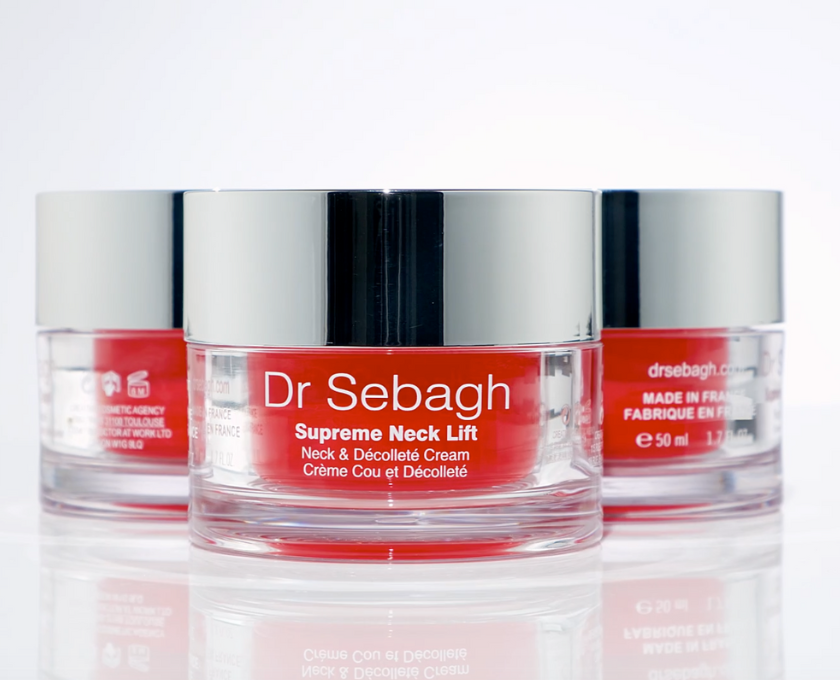
A traditional face cream is designed to be stable, comfortable and easy to use. To achieve this, it typically contains:
- Water
- Oil (often mineral, petroleum or silicone-based)
- A fixed blend of active ingredients
- Emulsifiers to bind oil and water
- Preservatives and fragrance
This combination creates an “all-in-one” product that hydrates, nourishes and protects the skin in a general way.
For many people, a cream is a good foundation, particularly for basic moisturisation. However, the very structure that makes creams stable also limits their performance.

Why Active Ingredient Levels Are Limited in Creams
Because a cream contains both water and oil in one formula, every ingredient must remain chemically stable alongside the others.
This creates several limitations:
- Potent active ingredients must be used at lower concentrations
- Certain ingredients cannot coexist without degrading
- Formulas must prioritise shelf life and texture over potency
As a result, even the most advanced creams tend to deliver moderate levels of actives, designed to suit most skin types most of the time.
This makes creams reliable, but not adaptable.
What Is a Face Serum?
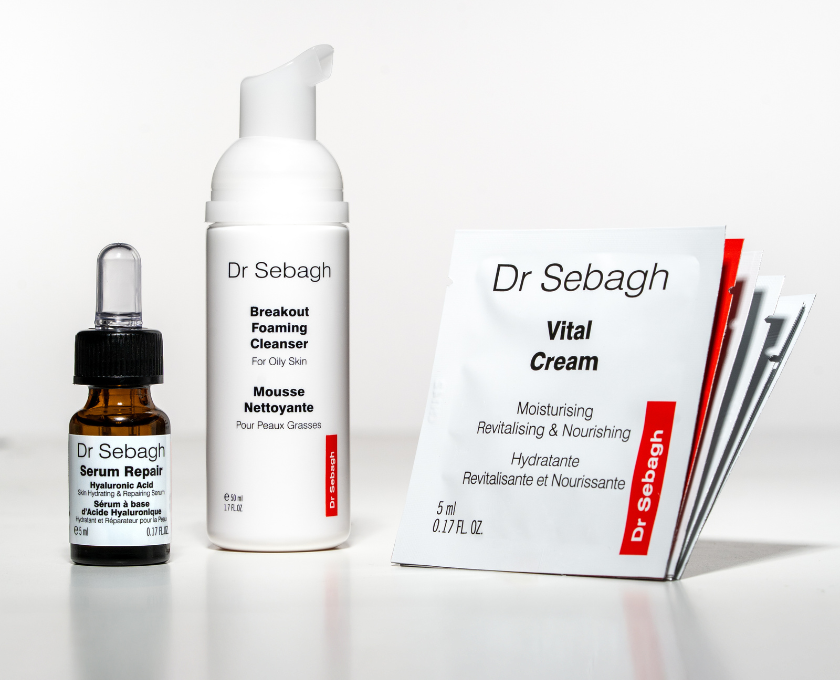
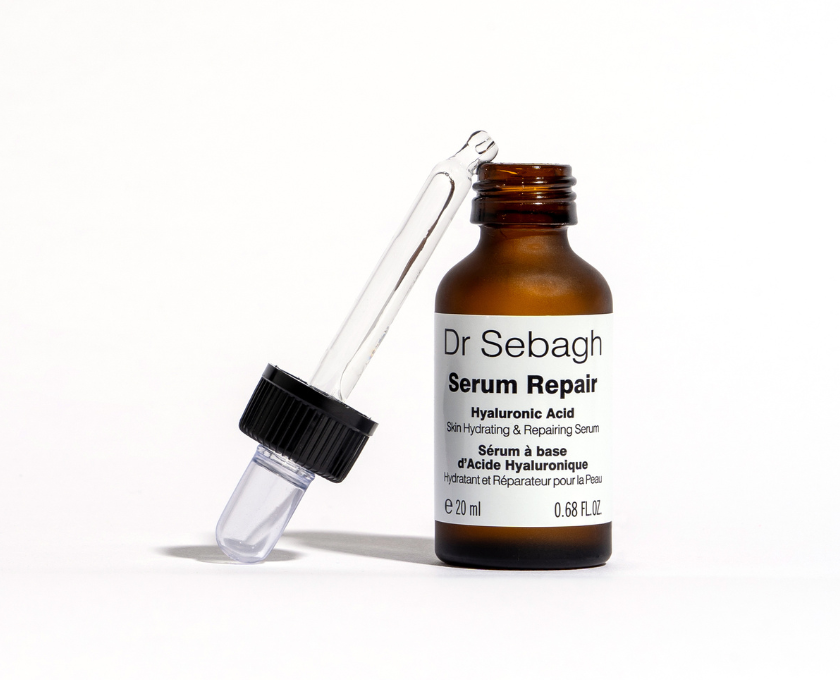
A serum is a more concentrated skincare formula designed to deliver active ingredients efficiently.
Unlike creams, serums are usually:
- Water-based or oil-based, not both
- Free from heavy emulsifiers
- Lightweight and fast-absorbing
Because they are simpler in structure, serums can contain higher concentrations of active ingredients, such as:
- Hyaluronic acid
- Peptides
- Antioxidants
- Vitamins and repair complexes
This is why serums are often described as the “engine” of a skincare routine.

Why Serums Are More Powerful Than Creams
The power of a serum lies in its focus.
Rather than trying to do everything at once, a serum is formulated to target a specific skin need, such as:
- Hydration
- Repair
- Brightening
- Firming
- Protection against oxidative stress
This allows serums to:
- Deliver actives more directly
- Absorb quickly without heaviness
- Be layered or combined depending on skin condition
In other words, serums work with the skin rather than sitting on top of it.
Why Water-Based Serums Penetrate Differently
One of the key reasons serums are so effective is their ability to interact with the skin’s natural biology.
Water-based serums in particular:
- Mimic the skin’s natural hydration pathways
- Help replenish water levels within the skin
- Support the skin barrier without clogging pores
This makes them especially effective for:
- Dehydrated skin
- Oily or combination skin
- Skin exposed to air-conditioning, pollution or travel
Because they contain little to no oil, water-based serums hydrate without overwhelming the skin, something a cream cannot always achieve.
Serums vs Creams: Not Either/Or
It’s important to understand that serums and creams are not rivals.
Instead, they serve different functions:
- Serums deliver targeted active ingredients
- Creams help seal, protect and comfort the skin
However, relying on a cream alone limits how precisely you can respond to your skin’s changing needs.
This is why Dr Sebagh pioneered the concept of using multiple serums, blended and adjusted daily, to create a bespoke crème-de-serum tailored to the skin’s condition on that day.

Why Serums Allow Truly Customised Skincare
Skin is not static. It changes daily in response to:
- Stress
- Hormones
- Environment
- Lifestyle and travel
By choosing and combining serums based on how your skin feels and looks, you can:
- Increase hydration without adding oil
- Add nourishment only where needed
- Adjust active ingredients without irritation
This level of flexibility is simply not possible with a single, fixed cream.
FAQs
What is the difference between a serum and a face cream?
A serum delivers concentrated active ingredients, while a face cream moisturises and helps protect the skin barrier.
Are serums better than moisturisers?
They serve different purposes. Serums target specific skin needs; moisturisers help seal in hydration.
Do I need both a serum and a cream?
Not always. Some skin types (such as oily skins) need only a serum, while others benefit from applying a cream on top for comfort.
Can I layer multiple serums?
Yes. Layering or blending serums allows you to tailor skincare to your skin’s needs that day.
The Future of Skincare Is Bespoke
Modern skincare is moving away from one-size-fits-all solutions and towards intelligent, responsive routines. Understanding the difference between serums and creams is the first step in that shift. When used strategically, serums allow skincare to evolve alongside your skin, supporting barrier health, resilience and long-term skin quality.
Read more
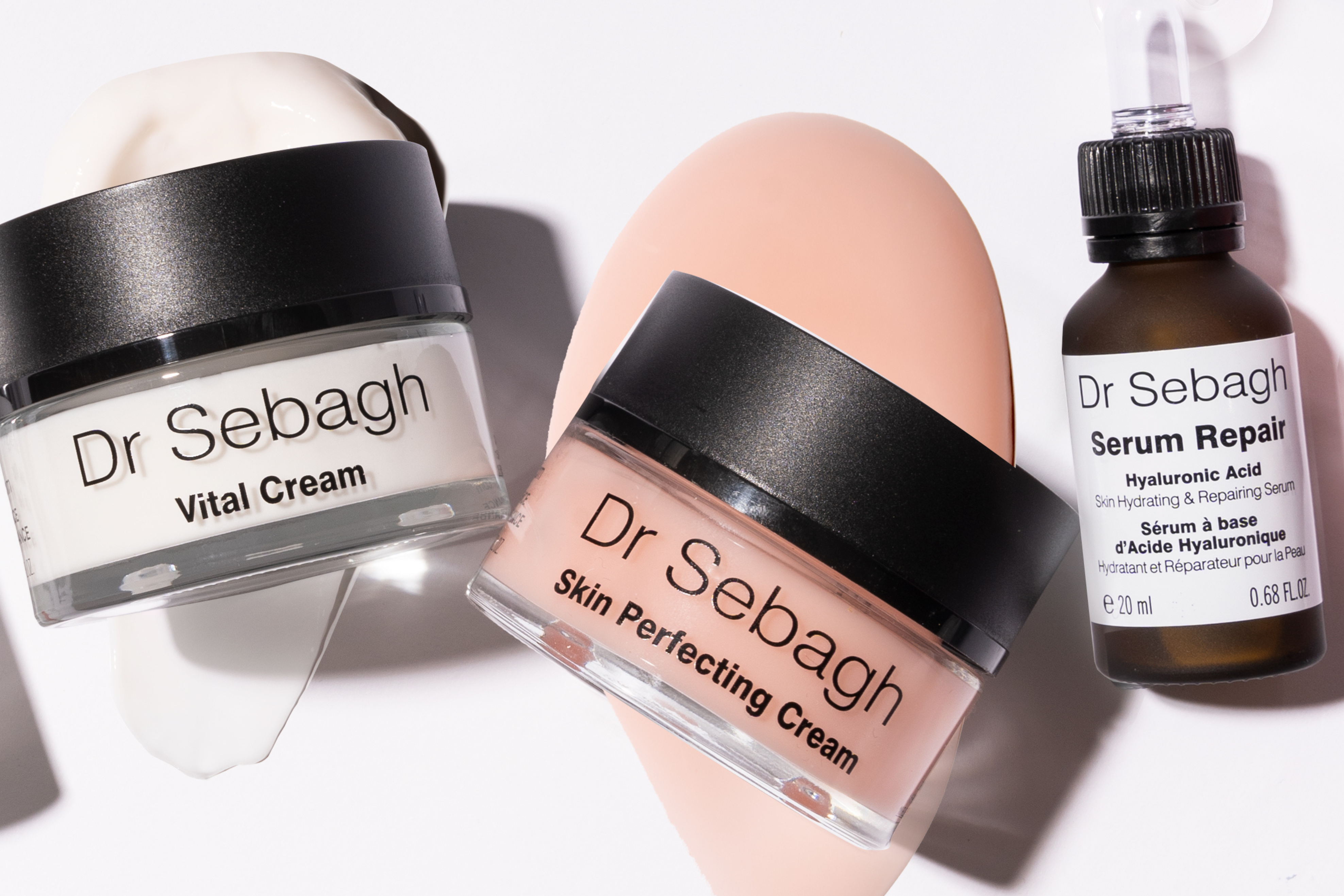
Skin is not static. It changes daily in response to stress, hormones, environment and lifestyle. Yet most skincare routines rely on one fixed face cream to meet every need. In this expert guide, di...
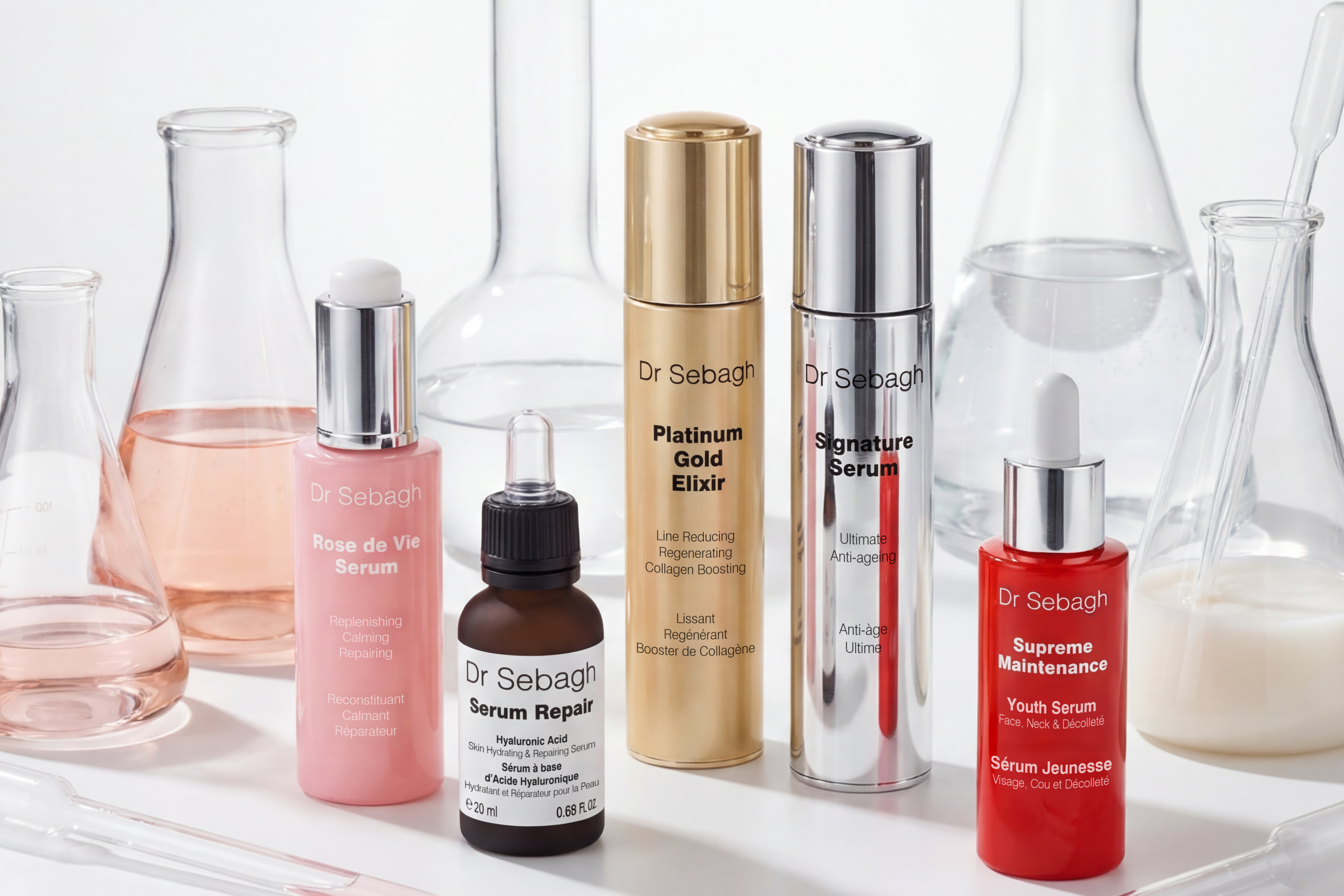
In 2005, long before serums and customisation became mainstream, Dr Sebagh challenged the idea of one-size-fits-all skincare. Discover how the launch of Serum Repair led to the creation of the Seru...
Leave a comment
All comments are moderated before being published.
This site is protected by hCaptcha and the hCaptcha Privacy Policy and Terms of Service apply.