
Menopause Skin Treatments: Restoring Balance to the Ageing Face
The Menopause Edit
30% off Dr Sebagh’s edit for skin in transition, until 18 October.
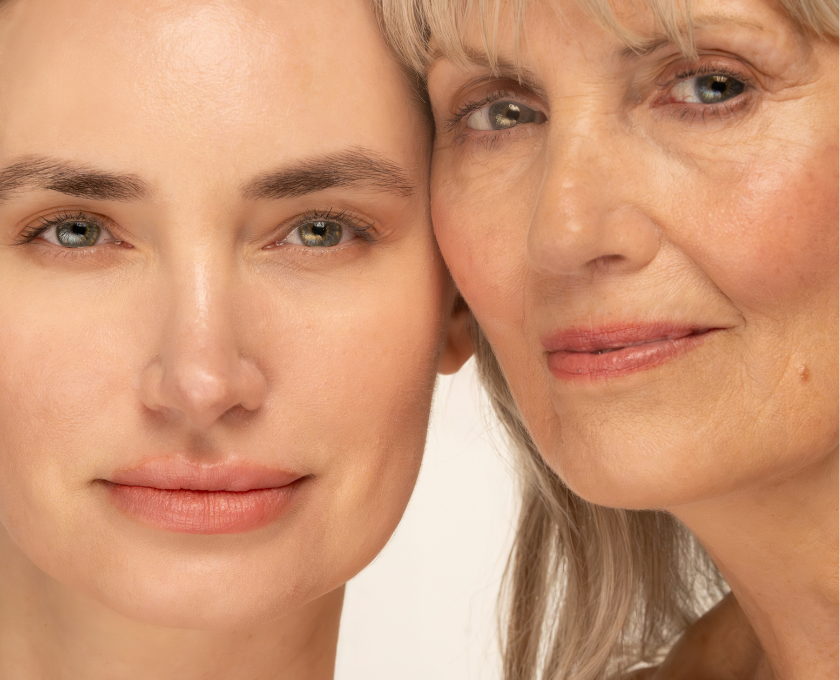
Menopause brings one of the fastest periods of change the face will go through. As oestrogen and progesterone fall, the skin and the deeper structures beneath it lose their hormonal support, and texture, tone and contour all start to shift. This guide covers the menopause skin treatments Dr Sebagh uses in his London clinic, and the at-home routine that keeps their results going.
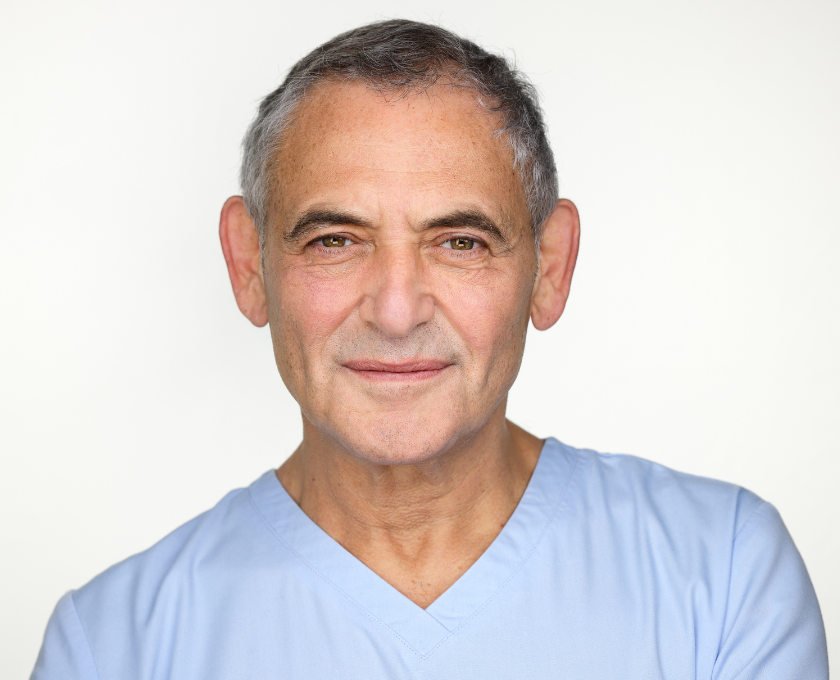
“In the clinic, we can go further. Depending on each person’s skin, I may combine treatments that stimulate collagen and improve skin quality.” Dr Sebagh
Key takeaways
- Menopause changes the face at every level: skin, fat, muscle and bone.
- Clinic treatments, from thread lifts to skin boosters, laser and HIFU, are combined to suit each person.
- At-home care maintains the results. Prepare, treat, maintain.
In this article
- How menopause changes the face
- Dr Sebagh’s approach: prepare, treat, maintain
- 3D Thread Lift & Soft Surgery
- Regenerative injections
- Laser, light and energy-based treatments
- Injectables and volume restoration
- At home: the Menopause Edit
- FAQs
- Shop the Menopause Edit
How menopause changes the face
The changes go deeper than the skin’s surface, which is why skincare alone can only do so much.
- Collagen and elastin loss. Studies suggest up to 30% of the skin’s collagen may be lost in the first five years after menopause, leading to slackening and wrinkles.
- Dryness and sensitivity. Less hyaluronic acid and fewer natural lipids leave skin dry, fragile and easily irritated.
- Slower cell renewal. Tone becomes uneven, pigmentation more visible and skin loses its luminosity.
- Structural change. Bone resorption, muscle relaxation and shifting fat pads reshape the face and cause volume loss.
Together they show up as softer cheeks, a less defined jawline, deeper lines and duller skin. The neck often shows it first.
“The neck is often one of the first areas to show hormonal ageing.” Dr Sebagh
For the skin changes themselves, from dryness and itching to the early signs of perimenopause, read Menopause and Your Skin: Dryness, Itching, Early Signs and What Helps.
Dr Sebagh’s approach: prepare, treat, maintain
At Dr Jean-Louis Sebagh’s clinic, menopause is treated as a chapter, not a loss. The aim is to restore balance and quality to the skin with advanced, non-surgical treatments, chosen and combined for each person after a consultation.
“Menopause is simply a chapter in the ageing journey. The goal is not to fight it. The goal is to understand what is changing, and to adapt our skincare and treatments.” Dr Sebagh
This is what Dr Sebagh calls ageing-maintenance. Prepare the skin before the changes arrive. Treat them as they appear. Maintain the results at home.
1. 3D Thread Lift & Soft Surgery

A cornerstone of Dr Sebagh’s Soft Surgery philosophy, this non-surgical facelift restores structure, tone and definition. It uses PLLA/PCL double-needle threads, combined with autologous fat transfer and regenerative stimulators (PRP, PRF, exosomes or PDRN). The result is a natural lift, replenished volume, firmer skin and a more defined facial contour.
Results: visible after 3 weeks, optimal at 3 months.
Downtime: 3 to 7 days.
2. Regenerative injections for menopausal skin

For thinning, dullness and loss of glow after menopause, regenerative boosters such as exosomes, PRF and polynucleotides activate fibroblasts and collagen production. They improve elasticity, firmness, texture and overall skin quality.
Dr Sebagh’s Ultimate Skin Booster combines exosomes, polynucleotides, growth factors, hyaluronic acid and multivitamins for deep cellular renewal. It targets the visible signs of hormone-related ageing, including loss of firmness, uneven tone and reduced luminosity, and restores hydration and glow.
3. Laser, light and energy-based treatments

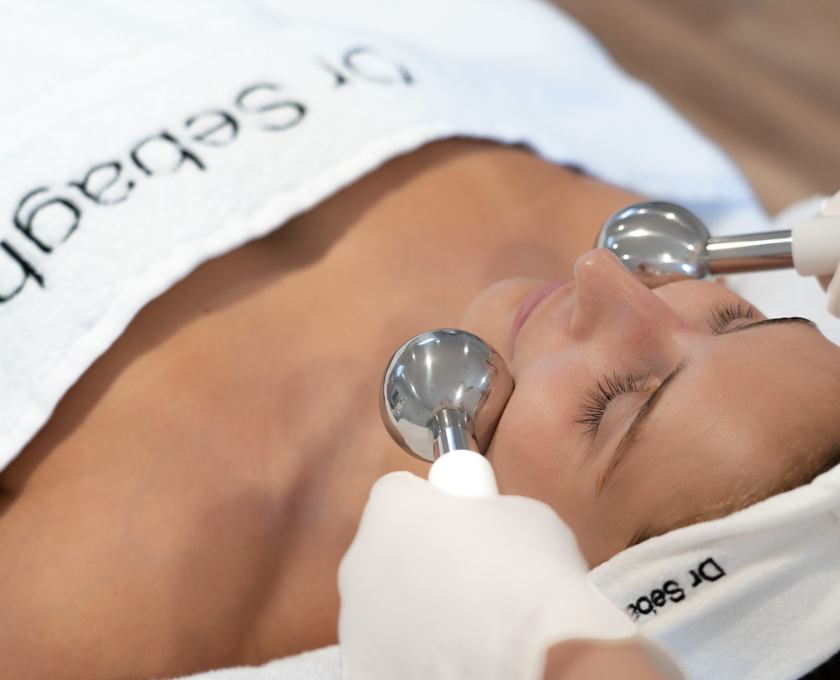
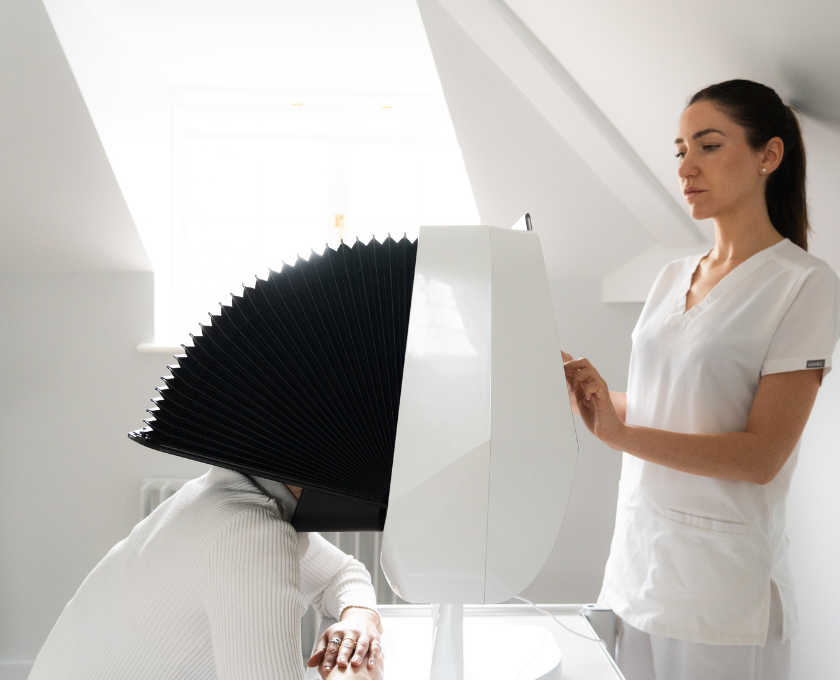
Resurfacing lasers such as CO2 laser and Fraxel Dual stimulate dermal renewal, softening fine lines, pigmentation and crepiness. IPL targets redness and uneven tone, which often increase with hot flushes.
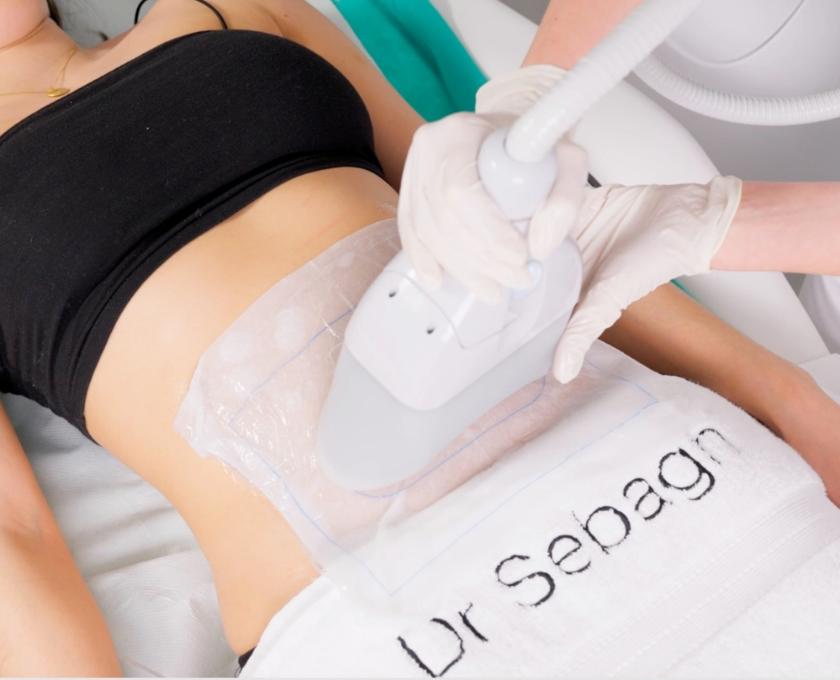
To tighten the deeper layers, Dr Sebagh uses monopolar radiofrequency and radiofrequency microneedling, and The Ultralift (HIFU), which lifts by targeting the muscle layer beneath the skin. Each offers non-invasive lifting for the face, jawline and neck.
4. Injectables and volume restoration

Hyaluronic acid fillers and biostimulators (Radiesse, PLLA) restore lost volume and improve dermal thickness. Botulinum toxin (Botox) is placed with precision to soften expression lines while keeping natural movement, never a frozen look.
5. At home: the Menopause Edit

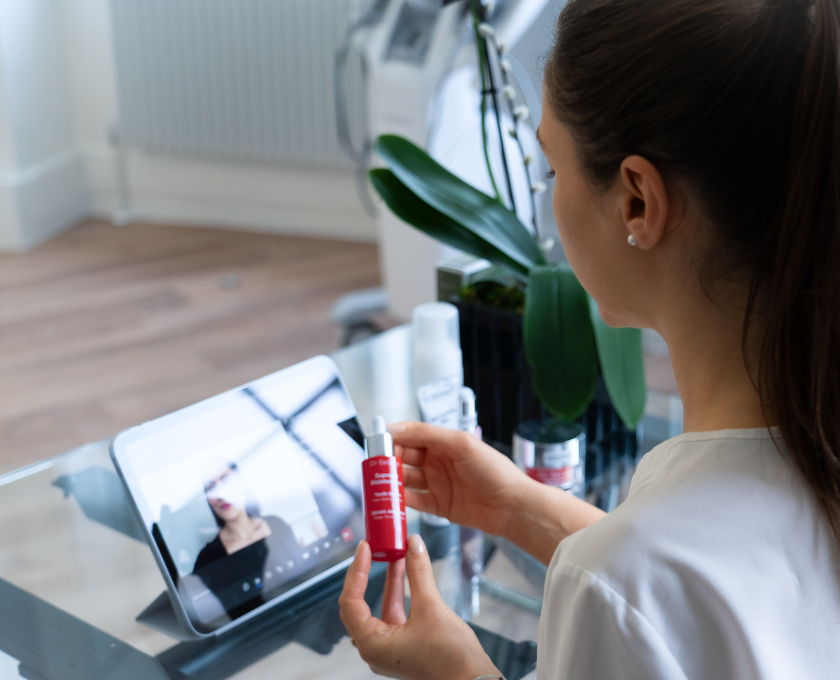
Clinic results last longer with the right care at home. Dr Sebagh’s Menopause Edit brings together the formulas he recommends for skin going through hormonal change.
- Retinol Night Repair, 30ml and 50ml PRO size. 0.3% retinol for renewal and texture, cushioned for sensitive skin.
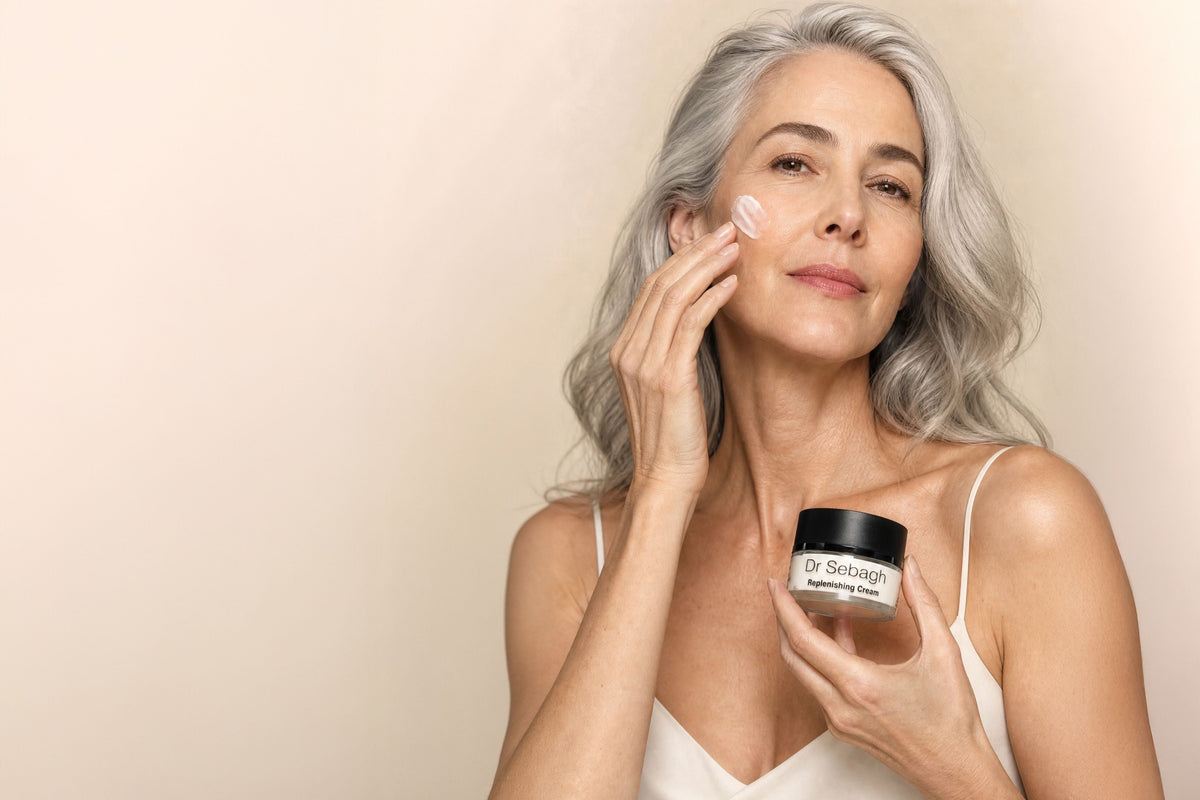
- Replenishing Cream. Made for mature and menopausal skin, with soy isoflavones and retinyl palmitate.
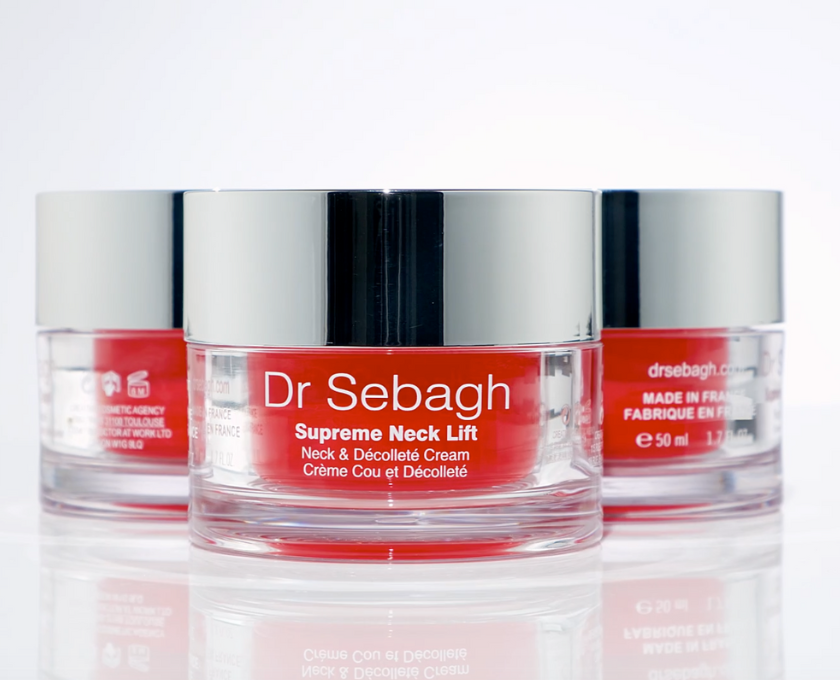
- Supreme Neck Lift. Instant tightening and long-term collagen support for the neck and décolleté.
- Signature Serum. Dr Sebagh’s most advanced serum, supporting firmness, elasticity and cellular energy in mature skin.
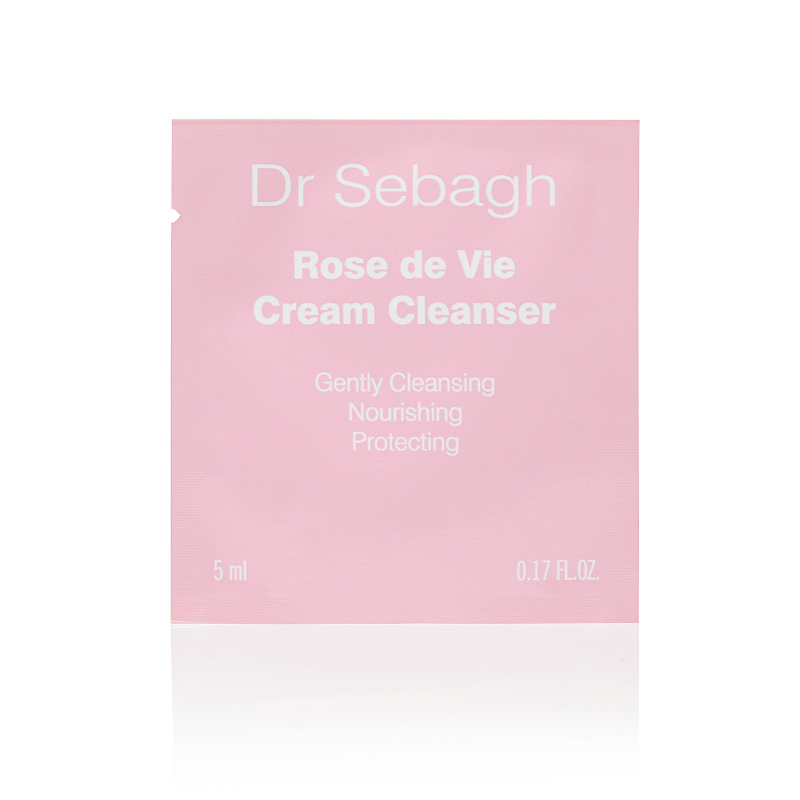
- Rose de Vie Serum, Cream Cleanser and Hydrating Mask. Barrier repair and comfort for dry, sensitive skin.
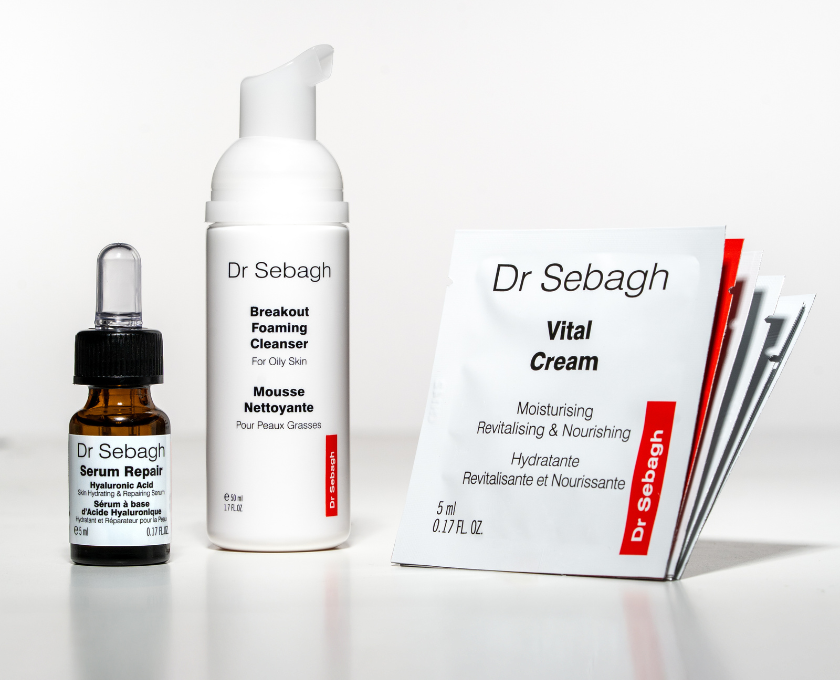
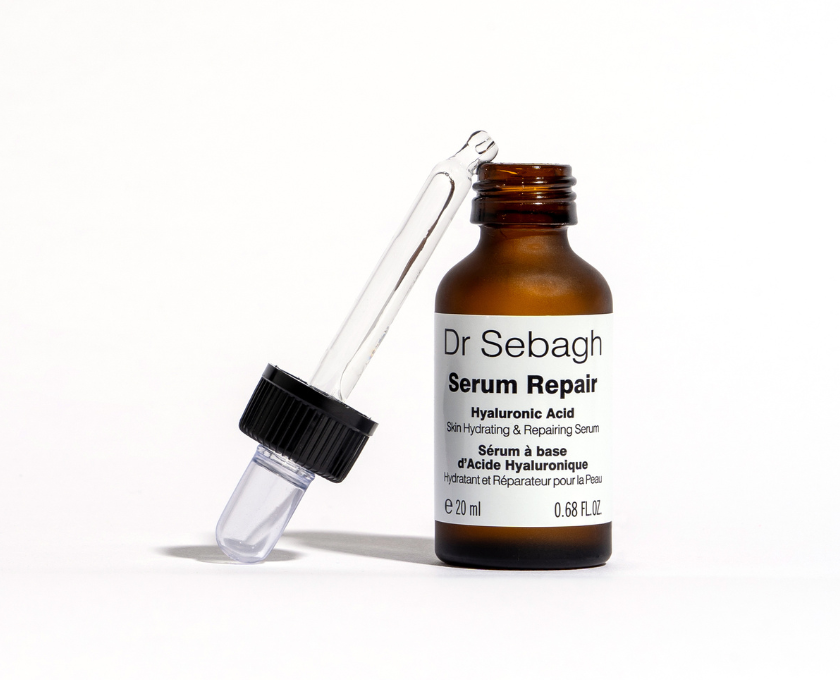
Also worth adding: Serum Repair for hydration and collagen support, and Exo C Booster for dullness and pigmentation.
For a step-by-step morning and evening routine, read our menopause skincare routine.
Frequently asked questions
What are the best treatments for menopausal skin?
It depends on what has changed. Skin boosters and resurfacing help thinning, dullness and texture. Radiofrequency, HIFU and thread lifts address laxity and contour. Fillers and biostimulators restore volume. Most people benefit from a combination, chosen at consultation.
When should I start clinic treatments?
Dr Sebagh’s advice is not to wait. Starting in perimenopause, as the first changes appear, means there is more to maintain and less to correct.
Do I still need skincare if I have clinic treatments?
Yes. Treatments stimulate collagen, but daily care with hydration, barrier support and a retinoid protects and maintains the results.
Can clinic treatments help the neck?
Yes. HIFU, radiofrequency and biostimulators can all treat the neck and jawline. At home, a dedicated neck treatment such as Supreme Neck Lift supports the results.
Shop the Menopause Edit
Dr Sebagh’s formulas for skin in transition, now 30% off until 18 October. Hydrate, protect the barrier, keep renewal going.
- Retinol Night Repair
- Replenishing Cream
- Supreme Neck Lift
- Signature Serum
- Rose de Vie Serum
- Rose de Vie Cream Cleanser
- Rose de Vie Hydrating Mask
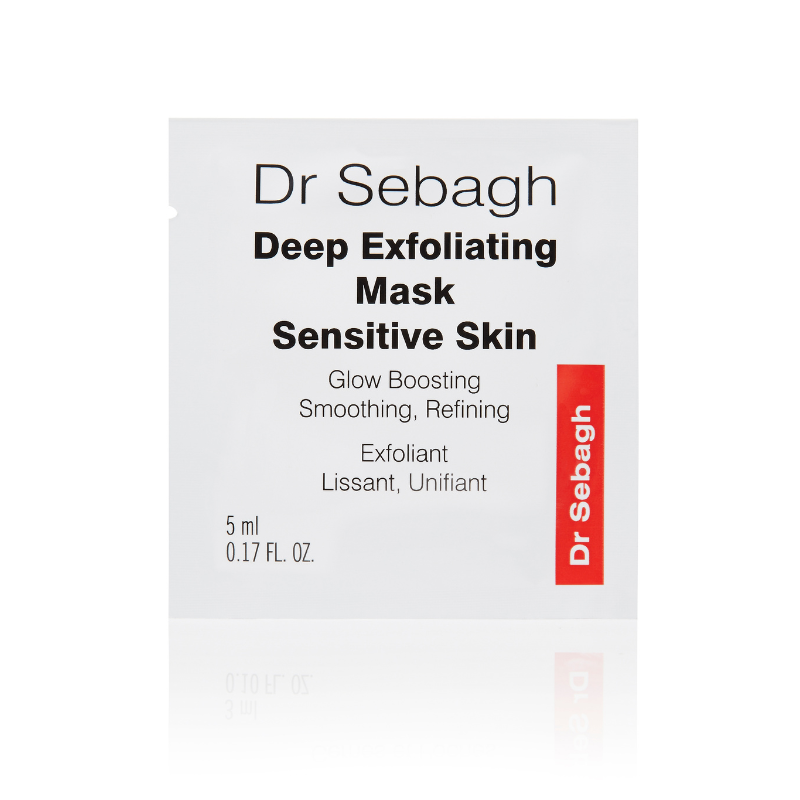
Free gifts: spend £70 for a mini Serum Repair (5ml). Spend £150 for a mini Deep Exfoliating Mask (15ml) and a mini Serum Repair (5ml).
30% off applies to regular-size, box-free products in the Menopause Edit. Ends 18 October 2026 at 23:59.

About Dr Sebagh
Dr Jean-Louis Sebagh is one of the world’s leading cosmetic doctors. He qualified in medicine at the University of Paris in 1979 and has practised cosmetic medicine for more than 30 years, today at his clinic at Chandos House in London. Read more about Dr Sebagh.
Read more
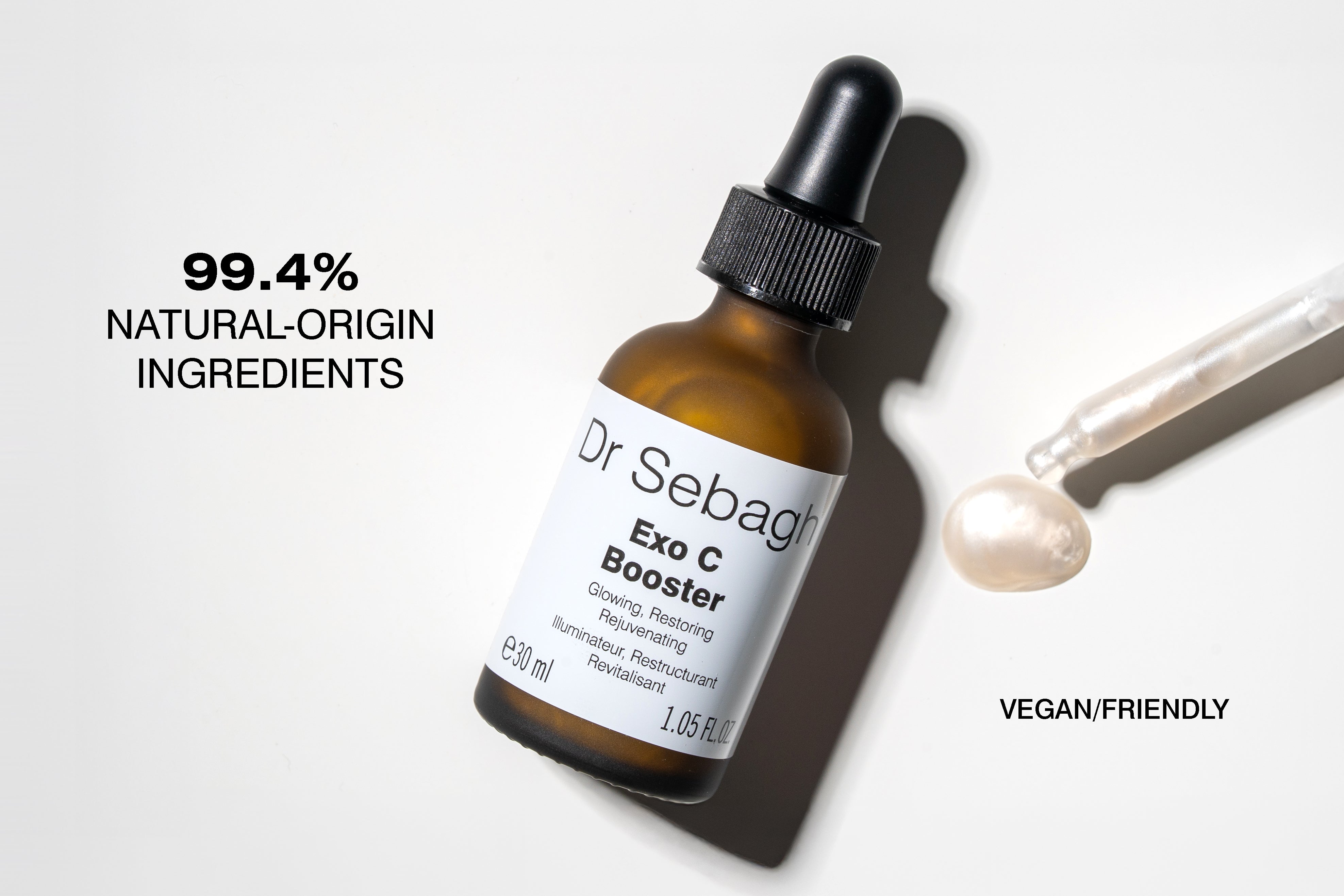
Discover exosomes in skincare with Dr Sebagh’s Exo C Booster. A next-generation anti-ageing serum that brightens, firms, and regenerates naturally. A New Era in Antioxidant Skincare Dr Sebagh’s E...
Discover how collagen keeps skin firm, youthful and lifted — and how Dr Sebagh’s science-led skincare supports collagen with Vitamin C, peptides, exosomes and retinol. This expert guide reveals the...
Leave a comment
All comments are moderated before being published.
This site is protected by hCaptcha and the hCaptcha Privacy Policy and Terms of Service apply.