



How To Treat Sun-Damaged Skin

Sun Damage: At a Glance
| What it is | Cumulative UV exposure causing age spots, uneven tone, fine lines and loss of elasticity — collectively known as photoageing. |
| Most visible on | Face, décolletage, backs of hands and shoulders — areas with the highest lifetime sun exposure. |
| Visible signs | Age spots, uneven pigmentation, rough texture, fine lines, dullness and loss of firmness. |
| At-home treatment | Vitamin C, Retinol, Chemical Exfoliation, broad-spectrum SPF. |
| In-clinic treatment | Laser therapy, Chemical Peels. |
| Key ingredients | Vitamin C — Retinol — Exosomes — Broad-spectrum SPF |
The sun gives us warmth, light and life, but left unchecked, it can also leave its mark on skin in ways that go far deeper than a simple tan. Sun damage is cumulative: every moment of unprotected exposure adds up over the years. The good news is that with the right approach, much of that damage can be visibly improved. At Dr Sebagh, we believe in combining the science of skincare with the artistry of treatment. When it comes to sun-damaged skin, there is a great deal we can do.
01 — Age Spots
What Are Age Spots and Liver Spots?
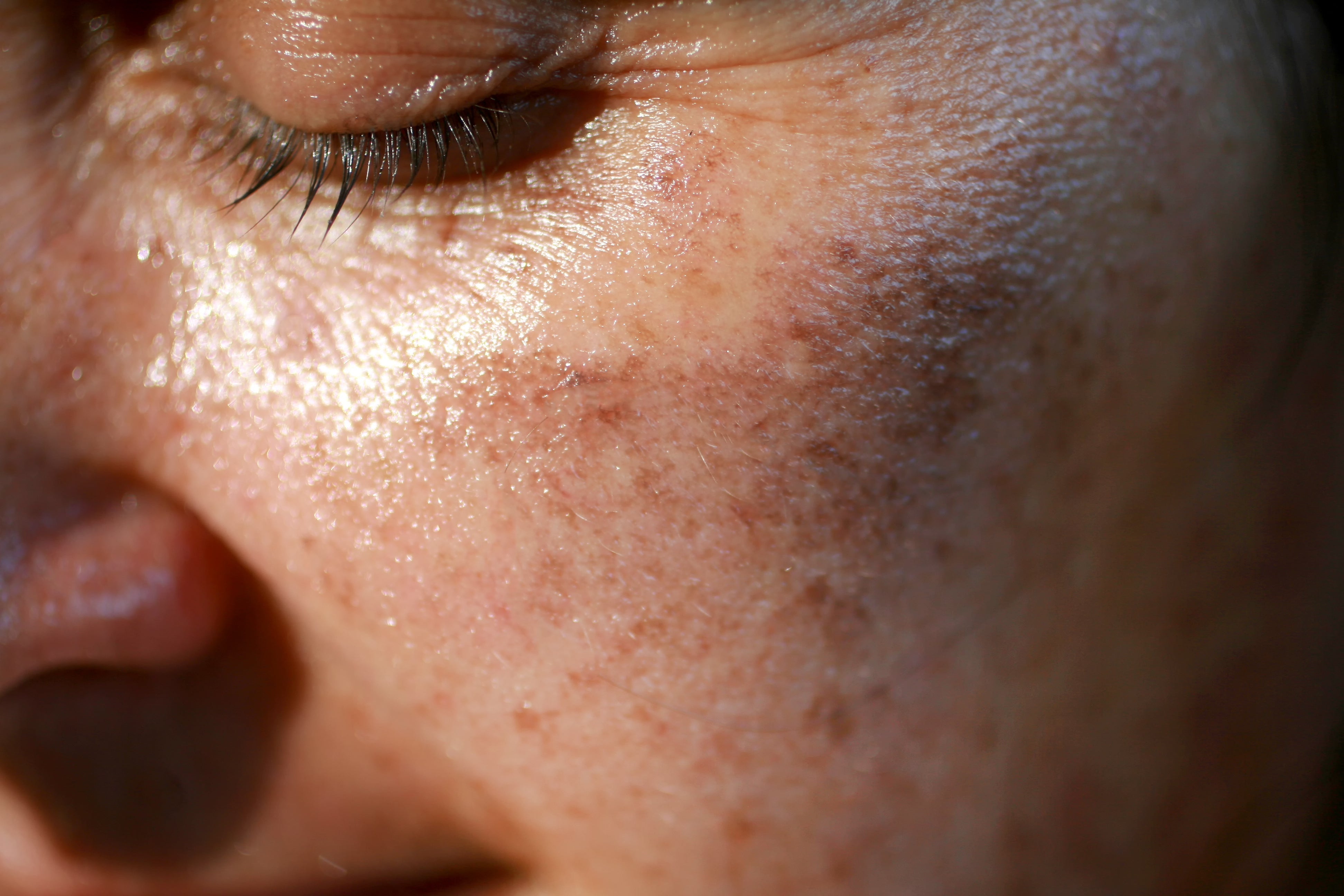
You may have noticed small, flat, darkened patches appearing on areas of your skin that receive the most sun: the backs of your hands, your shoulders, your face, or your décolletage. These are commonly known as age spots, liver spots, or sunspots, and their medical name is solar lentigines.

02 — The Causes
What Causes Age Spots and Liver Spots?
They are caused by an overproduction of melanin, the natural pigment responsible for your skin's colour. When skin is repeatedly exposed to ultraviolet (UV) light, the cells that produce melanin go into overdrive, and the pigment can become clumped or concentrated in certain areas, resulting in these distinctive flat, oval patches.
Age spots are most common in adults over 50, though they can appear in younger people who have had significant sun exposure. Unlike freckles, which tend to fade in the absence of sunlight, age spots do not disappear on their own.
It is worth noting that while age spots themselves are harmless, any spot that is black, growing rapidly, has irregular borders, or is bleeding should be assessed by a medical professional, as these can be signs of melanoma.
03 — Can It Be Treated?
Can Sun Damage Be Treated?
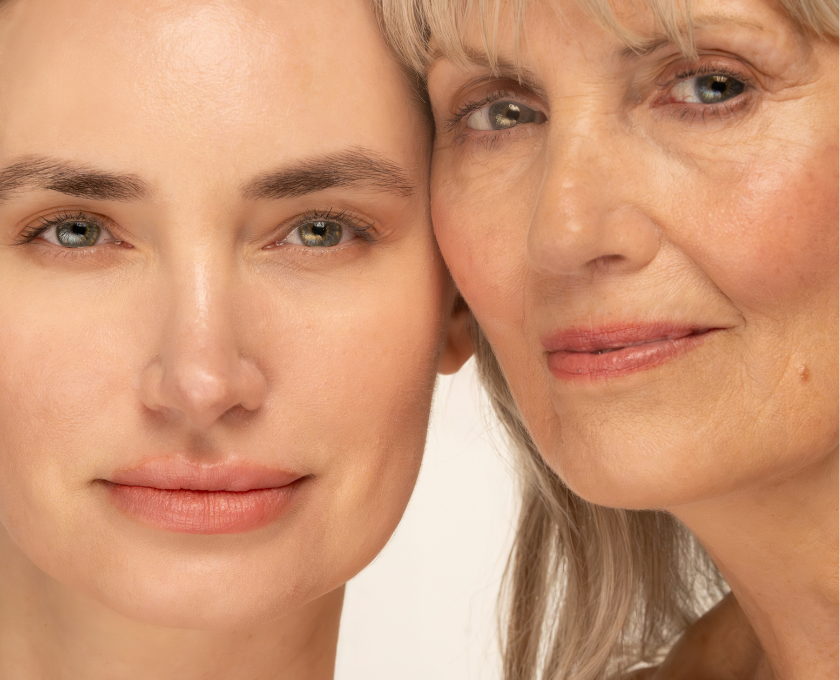
The short answer is: yes, significantly. While some of the structural changes that occur within the skin over years of UV exposure are permanent, the visible signs — including the spots, uneven tone, rough texture and fine lines — can be meaningfully improved with the right combination of treatments.
Dermatologists refer to the collection of visible changes caused by chronic sun exposure as photoageing. This encompasses not only age spots but also wrinkles, loose or crepey skin, a blotchy or ruddy complexion, and rough, dry patches known as actinic keratoses. The latter are precancerous growths that should always be evaluated by a clinician.
04 — At-Home Treatments
What Are the Best At-Home Treatments?
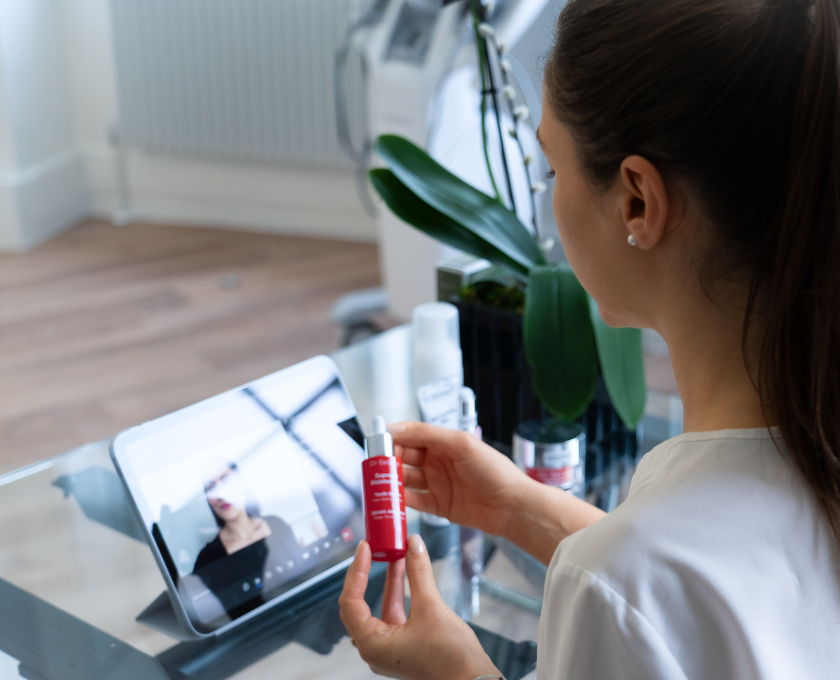
A consistent, targeted at-home routine is the foundation of any sun-damage repair programme. The key is to work with ingredients proven to brighten, resurface and stimulate cellular renewal.

After continued use of Retinol Night Repair, pigmentation significantly reduced.
Vitamin C
Vitamin C is one of the most researched ingredients in skincare, and for good reason. It is a potent antioxidant that neutralises the free radicals created by UV exposure, while simultaneously inhibiting the enzyme responsible for melanin production. The result: a reduction in existing pigmentation and protection against future discolouration.
- Exo C Booster — Our most concentrated vitamin C treatment, combining plant-based exosomes and bio-synthesised collagen with stabilised vitamin C for a powerful brightening and antioxidant boost.
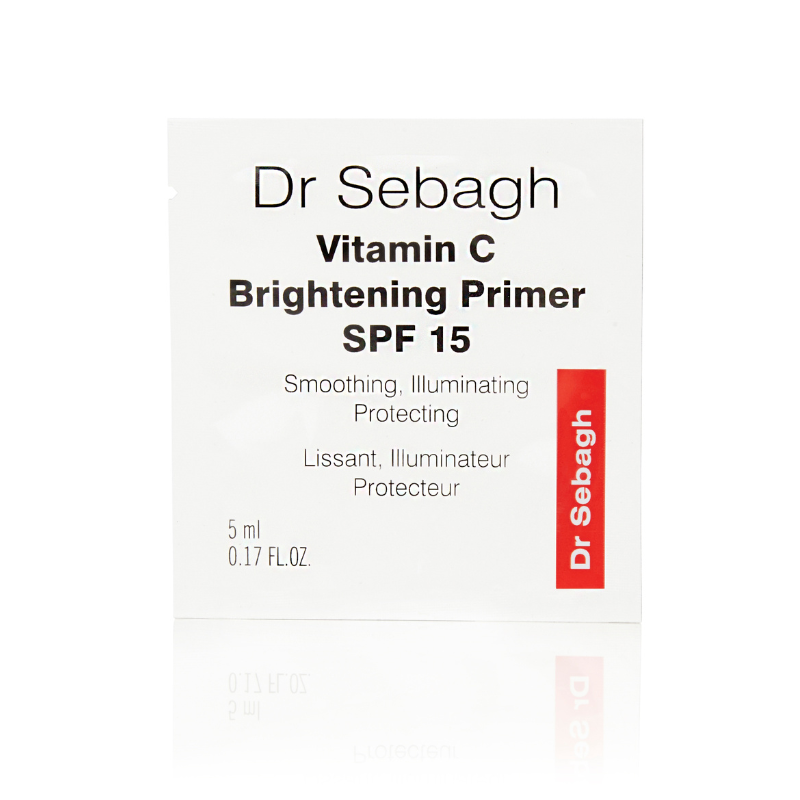
- Vitamin C Brightening Primer SPF15 — A daily primer that combines brightening vitamin C with SPF protection, fitting seamlessly into a morning routine.
- Pure Vitamin C Powder Cream — A powder-to-cream formula that activates on contact with the skin, preserving vitamin C potency for maximum efficacy against pigmentation.
Retinol and Exfoliation
One of the most effective strategies for reversing the signs of sun damage is accelerating the skin's natural renewal process. In sun-damaged skin, cell turnover slows, allowing dead, pigmented and damaged cells to accumulate on the surface.
Retinol is the gold standard ingredient for stimulating cellular renewal. It works deep within the skin to prompt the production of new, healthy cells, encouraging the shedding of older, damaged ones. With regular use, retinol visibly reduces the appearance of age spots, fine lines and uneven skin tone, while supporting the skin's structural integrity by stimulating collagen production.
- Retinol Night Repair — The gold standard retinol serum for stimulating cellular renewal. Visibly reduces age spots, fine lines and uneven skin tone while supporting collagen production overnight.
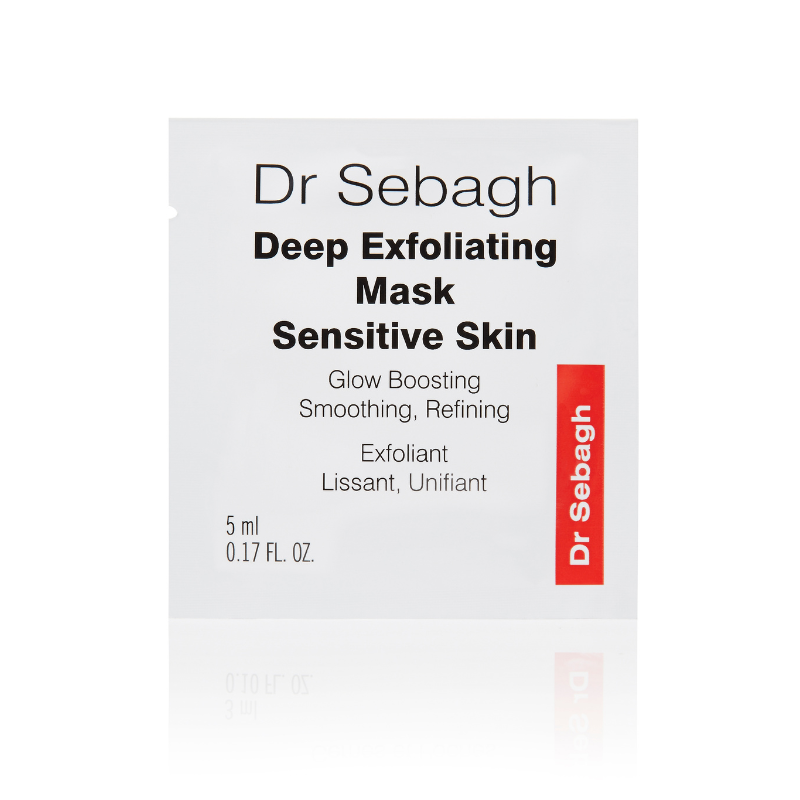
- Deep Exfoliating Mask — Provides a thorough surface exfoliation, removing the layer of dulling dead skin cells that can prevent active ingredients from penetrating effectively.
05 — In-Clinic Treatments
In-Clinic Treatments
For those looking for a more intensive approach, or who have more advanced sun damage, professional in-clinic treatments offer powerful, medically supervised solutions that go beyond what can be achieved at home.
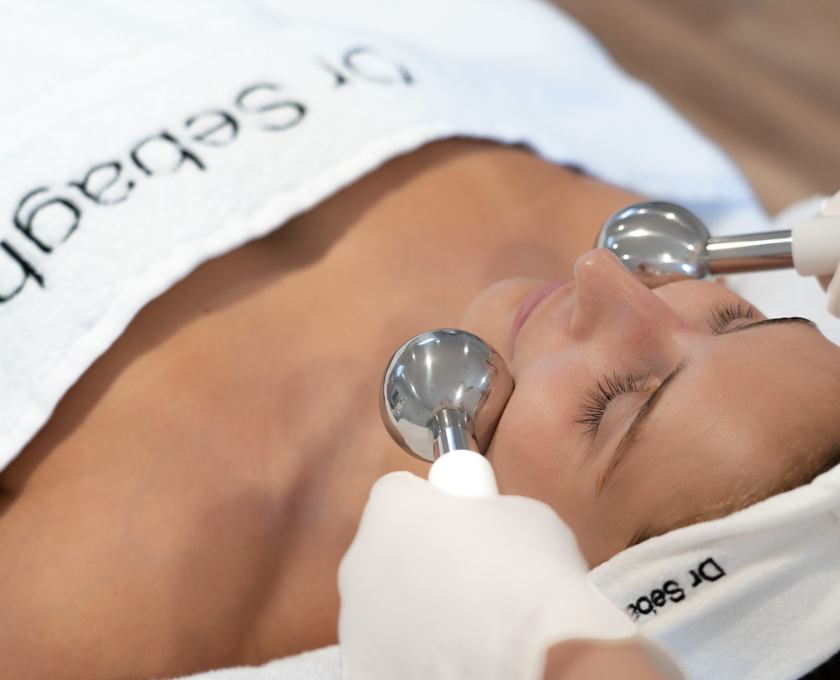
- Laser Treatments — Laser therapy is one of the most effective ways to address pigmentation, uneven texture and age spots. At Dr Sebagh, all laser treatments are performed by our skilled clinical team with full personalisation to your skin type, concerns and treatment goals.
- Chemical Peels — A chemical peel uses a carefully formulated solution to remove the outer layers of the skin, accelerating cell turnover on a clinical level and revealing the fresher, healthier skin beneath. Peels can be tailored in depth and formulation for optimal results.
06 — SPF
The Importance of SPF
Whatever treatment path you choose, one step is non-negotiable: daily broad-spectrum sun protection. Without it, the damage continues, and any progress made through treatment will be undermined.
Applying an SPF of at least 15 every morning, reapplying throughout the day, and avoiding peak sun hours forms the bedrock of any sun-damage prevention and treatment strategy. Think of SPF not as an optional extra, but as the single most powerful anti-ageing investment you can make.
Broad-spectrum UVA and UVB protection with stabilised Vitamin C — in a single daily step. Prevents ongoing collagen degradation while neutralising free radicals and supporting new collagen synthesis.
Shop Vitamin C Brightening Primer SPF15 →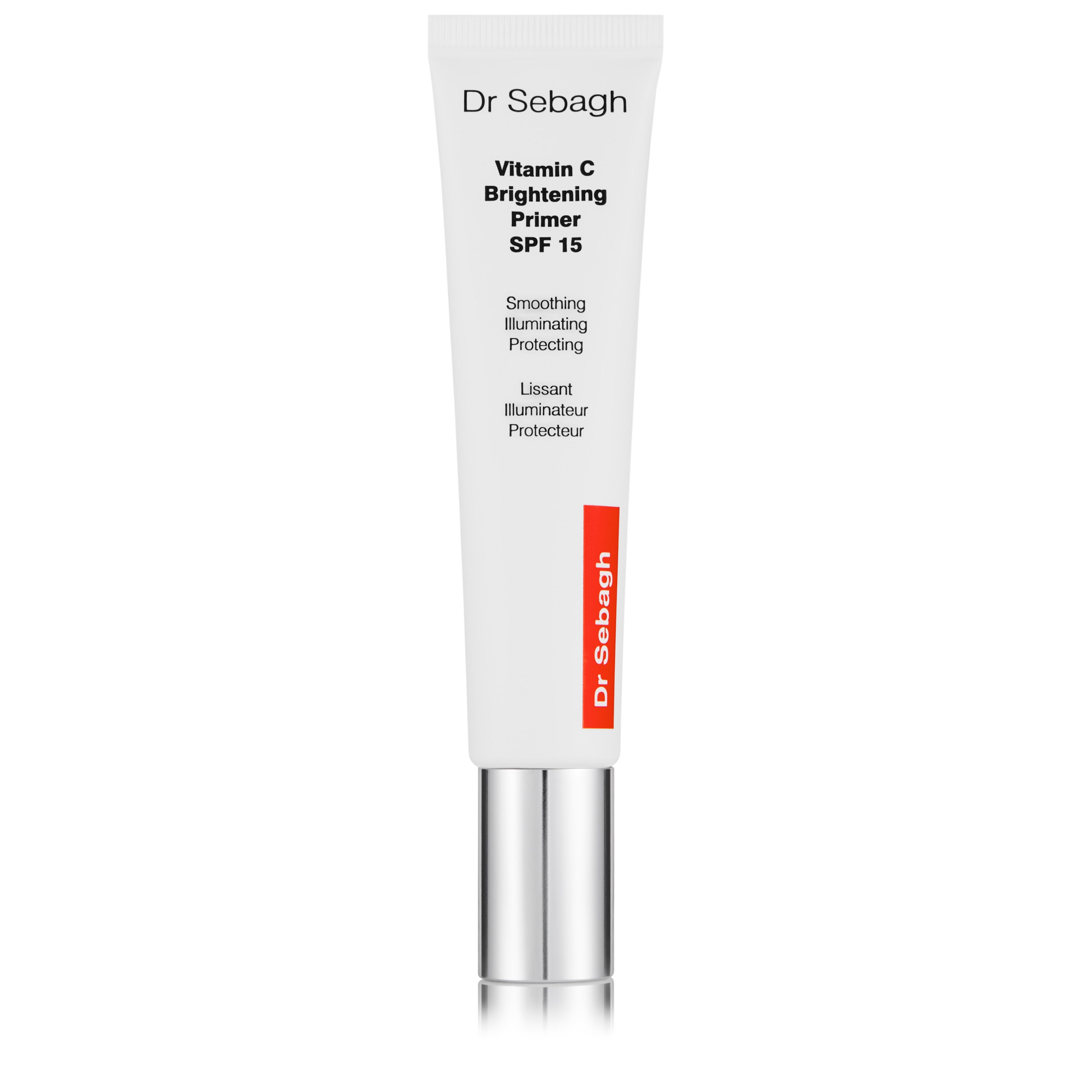
Our Position
A Combined Approach
Sun-damaged skin rarely requires just one solution. The most effective results come from a tailored combination: a scientifically targeted at-home routine working alongside professional in-clinic treatments, all underpinned by daily sun protection.
If you would like to discuss your skin concerns and explore the treatment options most suited to you, we invite you to book a consultation with our team.
"Healthy, luminous skin is not about turning back time. It is about giving your skin the care and attention it deserves."
- Exo C Booster — advanced brightening and antioxidant repair with exosomes
- Vitamin C Brightening Primer SPF15 — daily vitamin C with broad-spectrum protection
- Pure Vitamin C Powder Cream — maximum-potency vitamin C for pigmentation
- Deep Exfoliating Mask — chemical exfoliation to resurface and brighten
- Retinol Night Repair — stimulates cellular renewal and collagen overnight
See Your Skin's Future
Meicet Skin Analysis technology detects sensitivity, pigmentation, pores, fine lines and predicts the condition of your skin before it appears. Fully redeemable against skincare. Book a Facial AnalysisRead more

Discover how Dr Sebagh Self-Tanning Drops build a natural, streak-free colour while defending skin against HEV light, the overlooked cause of premature ageing.
Collagen is the scaffolding that keeps skin firm and resilient. Sunlight is its single biggest external threat. This guide explains what UV exposure does, why the damage is cumulative and what a sc...
Leave a comment
All comments are moderated before being published.
This site is protected by hCaptcha and the hCaptcha Privacy Policy and Terms of Service apply.