

The Birth of the Serum Bar: How Dr Sebagh Changed Skincare in 2005
In today’s skincare landscape, serums are everywhere. Hyaluronic acid is a household name, and customisation is often described as the future of beauty.
But in 2005, none of this was the norm.
Long before “bespoke skincare” became a buzzword, Dr Sebagh challenged the industry’s reliance on one-size-fits-all creams and introduced a radically different idea: that skin should be treated daily, precisely, and intelligently, by blending targeted serums according to its changing needs.
This idea became known as the Serum Bar.
Skincare Before Serums Became Mainstream
In the early 2000s, most skincare routines followed a simple formula:
- Cleanse
- Moisturise
- Occasionally exfoliate
Face creams dominated the market. They were marketed as “all-in-one” solutions, designed to hydrate, protect and repair in a single step.
Serums existed, but they were:
- Poorly understood
- Rarely explained to consumers
- Considered niche or unnecessary
Ingredients like hyaluronic acid were virtually unknown outside of clinical circles.
It was into this landscape that Dr Sebagh introduced something entirely new.

The Launch of Serum Repair in 2005
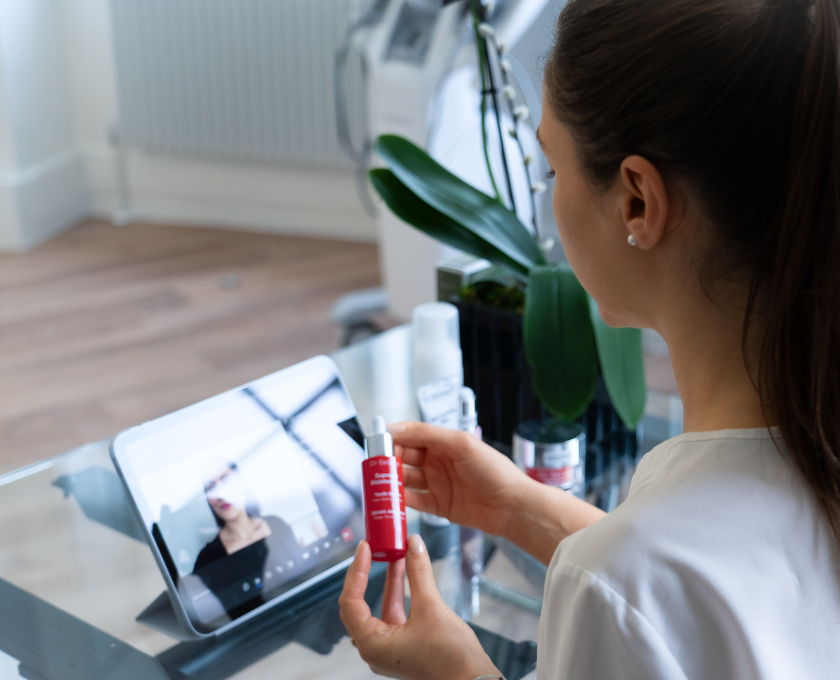
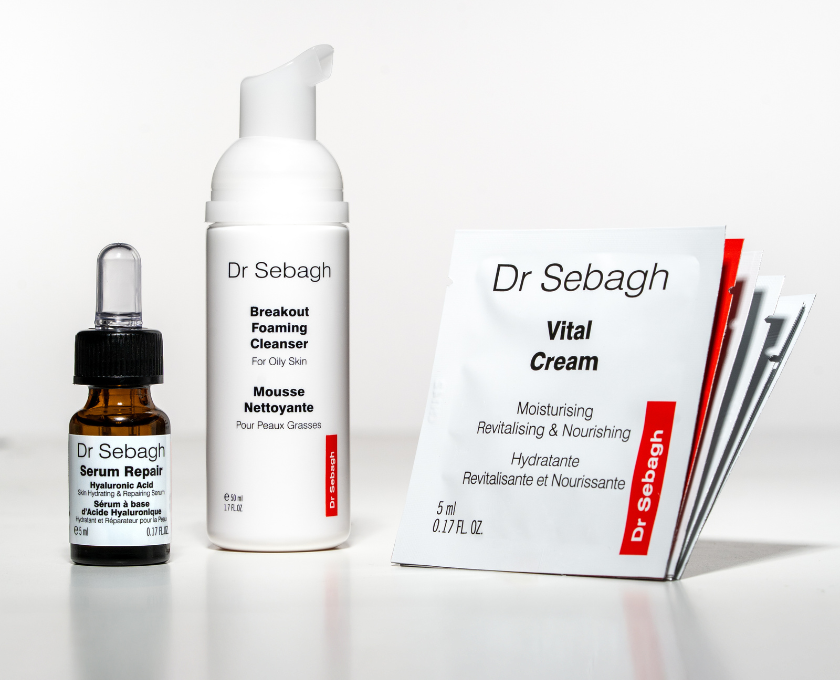
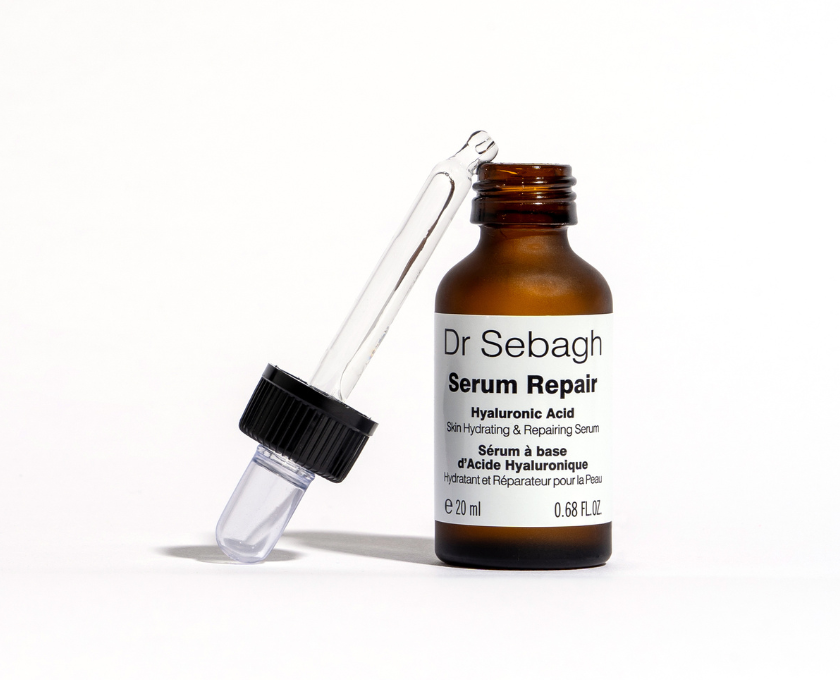
In 2005, Dr Sebagh launched his first serum: Serum Repair.
At its core was hyaluronic acid — a molecule naturally present in the skin, capable of holding up to 1,000 times its weight in water — combined with collagen-boosting peptides.
At the time, the ingredient was so unfamiliar that Dr Sebagh deliberately avoided naming it on the product.
“I chose the name Serum Repair because I was concerned no one would know what hyaluronic acid was.”
Today, hyaluronic acid is one of the most recognised skincare ingredients in the world. In 2005, it was quietly revolutionary.
Discover more about Serum Repair in the Dr Sebagh article The Original Hyaluronic Acid & Peptide Serum for Plumper, Firmer, Hydrated Skin
Why Serum Repair Was Ahead of Its Time
What made Serum Repair truly innovative wasn’t just the ingredient choice — it was the format.
Instead of embedding hyaluronic acid into a traditional cream, Dr Sebagh chose a serum format that allowed:
- Higher active concentrations
- Faster absorption
- Immediate, visible hydration
The result was a product that delivered instant plumping and long-term skin support with just a single drop.
It challenged the idea that creams were the pinnacle of skincare performance.
The science behind this difference is explained in our article on what a serum is and why serums are more powerful than creams.
From One Serum to a New Skincare Philosophy
Dr Sebagh didn’t stop at one serum.
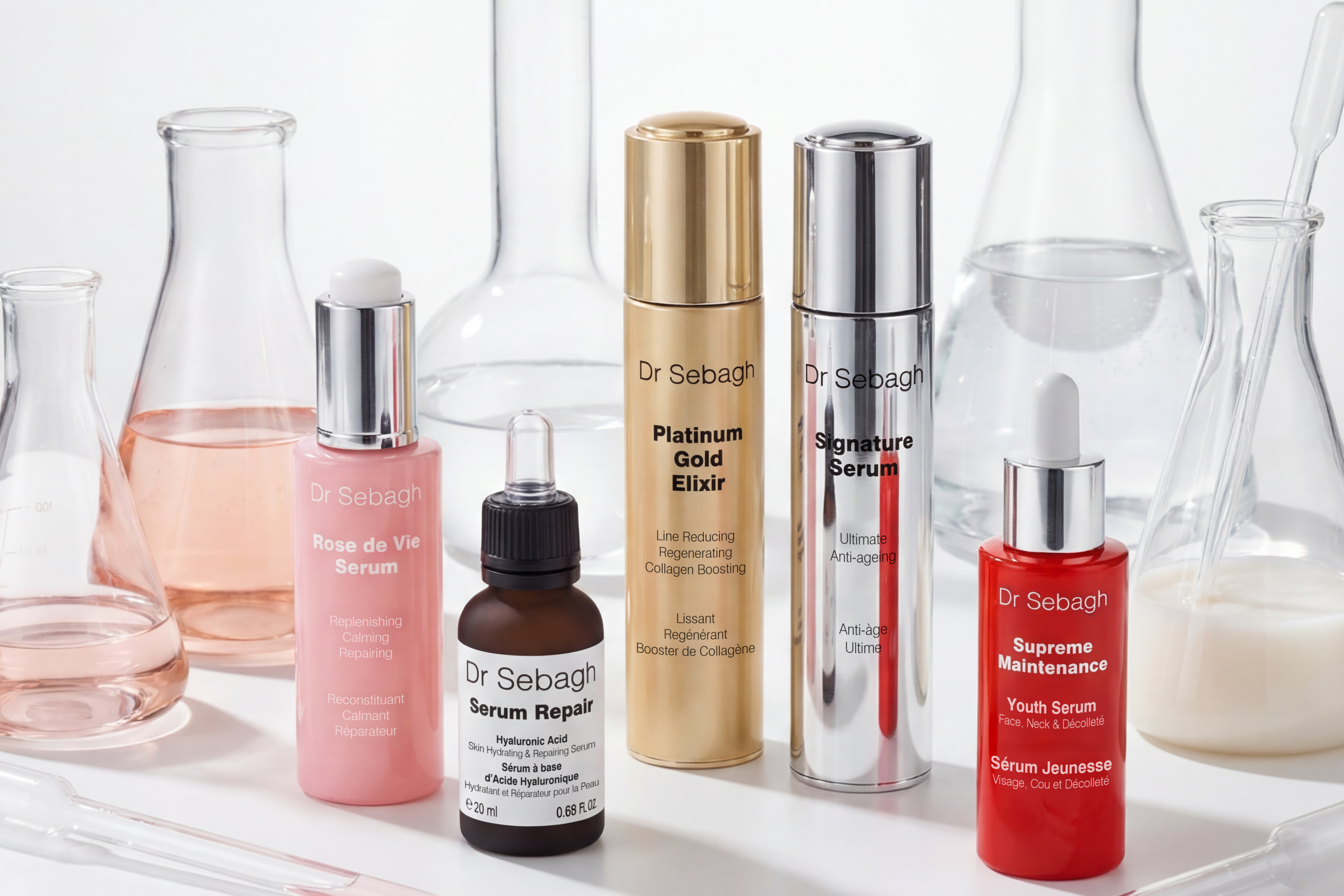
Over the following years, he developed a collection of highly targeted, award-winning serums — each designed to address a specific skin need, and each powerful enough to be used alone or combined.
These included:
- Hydrating, water-based serums
- Nourishing, oil-based serums
- Multi-active youth-maintenance formulas
What emerged was not a product range, but a system.
Dr Sebagh realised that skin does not need more products, it needs the right balance, adjusted daily.

The Birth of the Serum Bar
The breakthrough idea was simple, yet radical:
Instead of relying on a fixed cream, why not allow individuals to:
- Assess their skin daily
- Choose targeted serums accordingly
- Blend them together to create a bespoke crème-de-serum, or 'super cream'.
This concept became known as the Serum Bar.
For the first time, skincare users were encouraged to become active participants — diagnosing their skin, responding to its condition, and tailoring their routine accordingly.
It was skincare as a dialogue, not a prescription.
Why the Serum Bar Was Revolutionary
At the time, the Serum Bar concept was entirely original.
It challenged three deeply ingrained industry beliefs:
-
That one cream could meet all skin needs
-
That consumers couldn’t understand active ingredients
-
That skincare routines should remain fixed
These beliefs are explored further in our guide on why one face cream will never meet all your skin’s needs.
Instead, it introduced a new philosophy:
- Skin is dynamic
- Needs change daily
- Customisation is essential
This approach aligned skincare with skin biology, not marketing trends.
A Legacy That Shaped Modern Skincare
Nearly two decades later, the industry has caught up.
Customisation, layering and ingredient literacy are now widely discussed, but the Serum Bar was built on these principles long before they became fashionable.
Dr Sebagh’s approach remains rooted in:
- Clinical understanding of skin physiology
- Long-term skin health over quick fixes
- Intelligent prevention through Ageing-Maintenance
The Serum Bar is not about doing more to the skin — it’s about doing what is right for it, every day.
Why the Serum Bar Still Matters Today
Skin continues to change with:
- Stress
- Hormones
- Climate
- Lifestyle
The need for adaptable, responsive skincare has never been greater.
The Serum Bar endures because it is based on a truth that hasn’t changed since 2005:
healthy skin depends on precision, balance and daily adjustment.
Discover how Dr Sebagh uses serums to build bespoke skincare
Explore the Serum Bar philosophy and learn how combining targeted serums allows you to create a personalised skincare routine designed for your skin’s ever-changing needs.
Read more

What is the difference between a serum and a cream? In this expert guide, discover why serums deliver higher concentrations of active ingredients, how water-based serums work differently in the ski...

Skin changes daily in response to stress, hormones and environment. In this expert guide, Dr Sebagh explains how to understand your skin’s changing needs, how stress affects circulation and glow, a...
Leave a comment
All comments are moderated before being published.
This site is protected by hCaptcha and the hCaptcha Privacy Policy and Terms of Service apply.