
The King of Botox: Dr Sebagh on Prevention, Baby Botox and Ageing Beautifully
- Who was the first doctor to bring Botox to the UK
- When should you start Botox
- What is Ageing-Maintenance
- Does Botox make your face look frozen
- How long does Botox last
- Is Botox safe
- How to choose a practitioner safely
- Can skincare replace Botox
- What is a Botox-like peptide
- Frequently asked questions
Preventative Botox: At a Glance
| What it is | Botulinum toxin used preventatively in small, targeted doses to soften and delay the development of expression lines before they become permanently etched. |
| Best for | Anyone wanting to maintain a naturally rested appearance over time. Dr Sebagh recommends starting from an early age, in line with his Ageing-Maintenance philosophy. |
| Key principle | Prevention over correction. Small, consistent treatments maintained throughout life are more effective and more natural-looking than dramatic intervention later. |
| How long it lasts | Typically 3–4 months, varying with dose, muscle strength and metabolism. Regular, smaller treatments form the basis of the Ageing-Maintenance approach. |
| What to look for | A qualified medical practitioner with demonstrable experience in natural results, working in a clinical setting. In the UK, qualifications must be verified — the market is currently unregulated. |
| At-home complement | Advanced peptide formulas — particularly those containing Acetyl Hexapeptide-8 — offer daily maintenance between clinic appointments, consistent with the Ageing-Maintenance approach. |
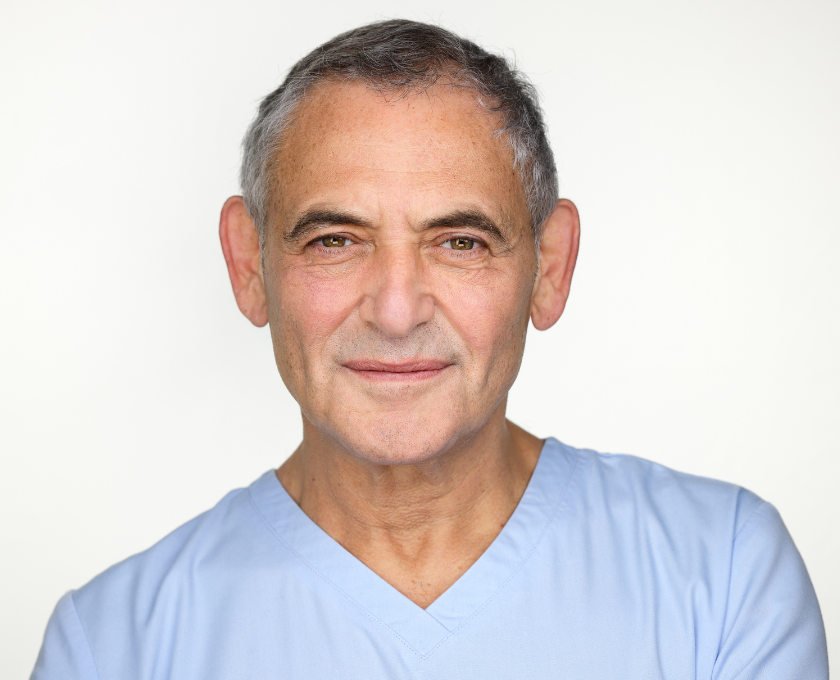
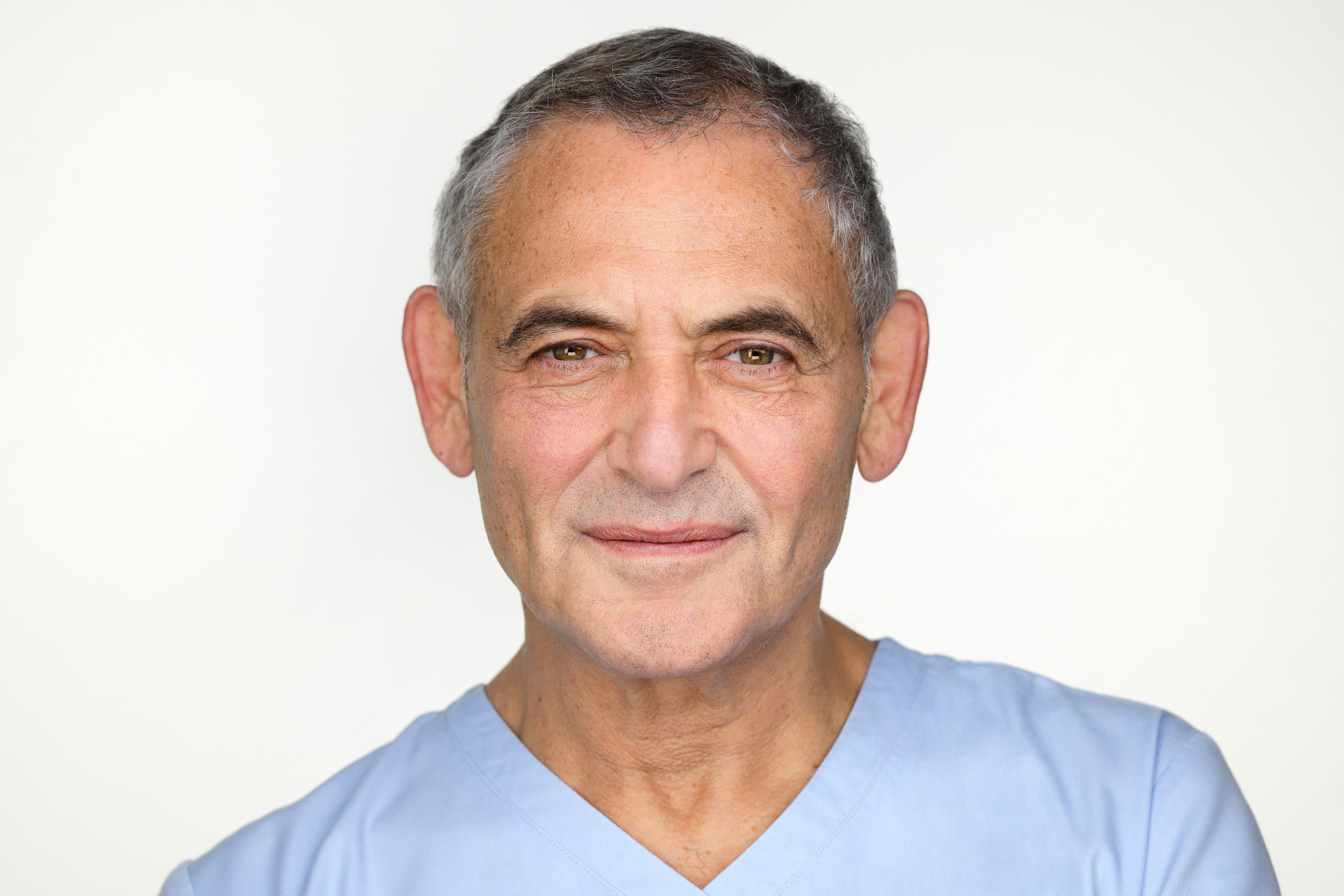
Dr Jean-Louis Sebagh introduced cosmetic Botox to France in 1993 and brought it to the United Kingdom in 1994, becoming the first doctor to administer it here. The press named him the "King of Botox", and the title has stuck for three decades.
In that time his philosophy has barely moved: small, considered treatments at the right moment, delivered with restraint, in service of a face that still moves and still looks like itself. He calls it Ageing-Maintenance. Below, in his own words, he answers the questions he is asked most often.

01 THE KING OF BOTOX
Who was the first doctor to bring Botox to the UK?
"I never set out to become known as the 'King of Botox'," says Dr Sebagh. "My ambition was much simpler: to introduce a treatment that I believed would transform aesthetic medicine forever."
After introducing cosmetic Botox to France in 1993, he became the first doctor to bring it to the United Kingdom in 1994. At that time very few people had heard of it. There were no aesthetic trends and very little public awareness, and many colleagues were sceptical.
"From the very beginning, I rejected the idea that Botox should freeze the face," he explains. "Instead, I saw it as a way of preserving expression while preventing the lines that repeated muscle movements gradually create. That philosophy has guided every treatment I have performed over the past three decades."

02 WHEN TO START
When should you start Botox?
This is one of the questions Dr Sebagh is asked most frequently, and his answer is always the same: there is no perfect age, only the right time for your face.
Some people naturally have very expressive facial muscles and begin developing fine lines in their late twenties. Others may not need treatment until much later. "The decision should never be based on age alone," he says, "but on what your muscles and skin are beginning to show."
His conviction, held for thirty years, is that Botox is far more valuable as a preventative treatment than a corrective one. "Once a wrinkle has become permanently etched into the skin, it is much more difficult to treat. Preventing that wrinkle from forming in the first place is simpler, more natural and often requires much less product over time."
He compares it to dentistry. "We don't wait until all our teeth are damaged before seeing a dentist. We maintain them throughout life. The same principle applies to facial ageing."
"Little treatments, often, throughout your life as maintenance. It is best to start young and prevent."
Just as important, in his view, is knowing when not to treat. "In my practice, saying 'not yet' is just as important as knowing 'now is the right time.' Sometimes the best treatment is no treatment at all."

03 AGEING-MAINTENANCE
What is Ageing-Maintenance?
Ageing-Maintenance is the philosophy Dr Sebagh coined more than thirty years ago, because he wanted to change the way people thought about aesthetic medicine.
"Too many people wait until they see significant signs of ageing before seeking treatment, hoping for a dramatic solution. I have always believed there is a better way." Just as we maintain our health through exercise and service our cars before they break down, he argues, our skin deserves the same thoughtful, preventative approach.
In practice it means small, carefully planned interventions at the right time rather than trying to reverse years of change all at once. These might include Botox, skin boosters, collagen stimulation or medical skincare, each chosen according to the individual's needs and stage of life.
"The aim is never to make someone look different or younger than they should. It is to help them look refreshed, healthy and naturally well for their age. Ageing is a journey, not a fight."
04 BABY BOTOX
Does Botox make your face look frozen?
Absolutely not, Dr Sebagh says, if it is done properly.
"One of the biggest misconceptions about Botox is that it inevitably creates a frozen, expressionless face. In reality, a frozen appearance is almost always the result of excessive dosing, poor technique or a lack of understanding of facial anatomy, not Botox itself."
"When it comes to aesthetic treatments, often less is more. Enhance, don't alter. Ageing beautifully is a journey, not a fight."
A face should still smile, laugh, frown and express emotion. Those natural movements are part of a person's identity, and his aim has always been to soften excessive muscle activity while preserving the expressions that make each face unique. This restrained, lighter-touch approach is the same thinking behind what the industry now calls "baby Botox".
"I often tell my patients that the best Botox is the Botox nobody notices," he says. "People shouldn't say, 'You've had Botox.' They should simply say, 'You look well rested,' or 'Have you been on holiday?'"
For him the objective has never been to eliminate movement, but to refine it. "Natural-looking Botox is not about how much you inject. It is about knowing exactly how little you need."

05 HOW LONG IT LASTS
How long does Botox last?
For most patients the effects last around three to four months, though Dr Sebagh is quick to say it varies from person to person, depending on the strength of the facial muscles, metabolism, lifestyle and the way the treatment has been performed.
He prefers not to think of Botox as a treatment that simply wears off. "It should be part of a long-term strategy. Rather than waiting for every line to return before starting again, I generally recommend regular maintenance treatments at appropriate intervals. This helps maintain a softer, more natural appearance and often requires less product over time."
Many long-term patients, he notes, eventually need slightly less than when they began, because the muscles become less dominant and the skin has been protected from years of repeated folding.
06 SAFETY
Is Botox safe?
Botox is one of the most extensively studied treatments in aesthetic medicine and has been used safely for more than three decades. "When performed by a qualified and experienced medical practitioner, it has an excellent safety profile," Dr Sebagh says.
In his opinion the product itself is rarely the problem. The injector is. "Botox is not simply about injecting a muscle. It is about understanding the complex anatomy of the face. The same dose placed a few millimetres differently can produce a completely different result."
The greatest risk today, he warns, is not Botox but treatments carried out by individuals with insufficient medical training. Patients should always ensure they are treated in a proper medical environment by someone who takes the time to assess the face rather than following a standard injection pattern.

07 CHOOSING A PRACTITIONER
How do you choose a practitioner safely?
Choosing who performs your treatment, Dr Sebagh believes, is far more important than choosing the treatment itself.
"Botox may appear simple, but it is one of the most technically demanding procedures in aesthetic medicine. Every face is different. Every muscle behaves differently. Understanding facial anatomy, balance and expression is what separates a beautiful, natural result from one that immediately looks artificial."
"My patients come to me because they trust my artistic eye and my honesty. If I think something will look bad or upset the balance of the face, I will tell them."
He encourages patients to ask questions and never to feel awkward doing so:
- Who is performing the treatment?
- What are their qualifications?
- How many years have they been injecting?
- What happens if there is a complication?
"These are sensible questions that every experienced practitioner should be happy to answer." His advice is simple: "Choose judgement over fashion, experience over marketing, and honesty over promises."

08 SKINCARE & BOTOX
Can skincare replace Botox?
The simple answer is no, Dr Sebagh says, but that does not mean skincare is not essential.
"Botox and skincare work in completely different ways. Botox relaxes specific facial muscles that create expression lines, while skincare improves the quality, health and resilience of the skin itself. One cannot replace the other because they address different aspects of the ageing process."
He has never viewed Botox as a standalone treatment. The most natural results, in his experience, come from combining expertly performed injectables with an intelligent skincare routine. "Botox helps prevent the skin from repeatedly folding, while good skincare improves hydration, texture, radiance and collagen production. Together, they create results that neither could achieve alone."
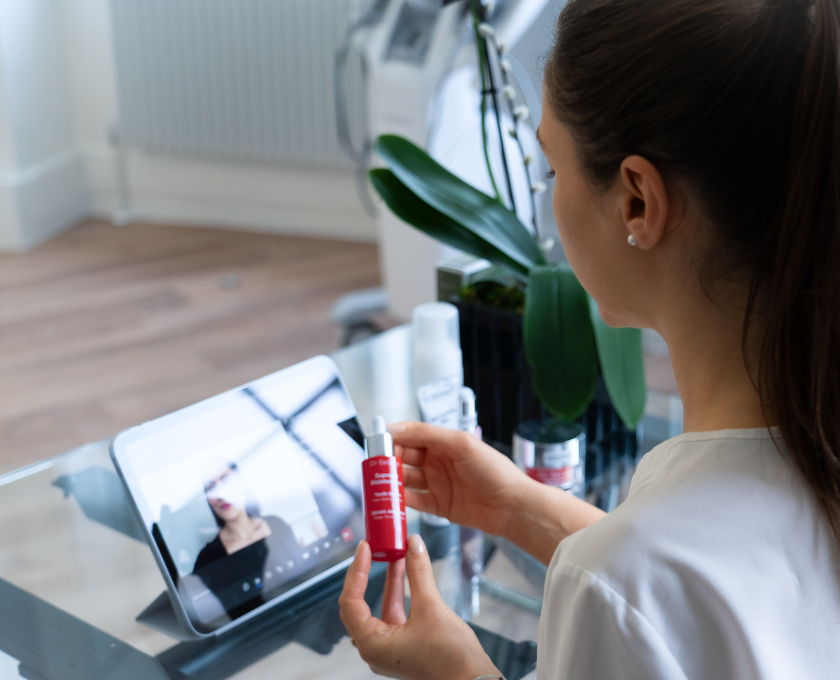
This is where a considered daily routine earns its place. Well-formulated skincare, rich in peptides, antioxidants and vitamin C, helps maintain the results of in-clinic treatments and supports the skin between appointments. It is exactly the thinking behind Platinum Gold Elixir, formulated to nourish and support the skin as part of a long-term Ageing-Maintenance routine.
"Don't choose between skincare and Botox," he says. "Understand how they complement one another. Healthy, beautiful skin comes from consistency, prevention and a personalised approach over time."


09 BOTOX-LIKE PEPTIDES
What is a Botox-like peptide?
The term "Botox-like peptide" can be misleading, Dr Sebagh cautions, because it suggests a skincare ingredient works in the same way as Botox. It does not.
"Botox is a prescription medicine that temporarily relaxes specific facial muscles. A peptide is a cosmetic ingredient applied to the surface of the skin. Although some peptides have been shown to improve the appearance of fine lines, they cannot reach the muscles or reproduce the effects of botulinum toxin."
So why are they called Botox-like? "Simply because the goal is similar: to help reduce the visible appearance of expression lines. The mechanism, however, is entirely different."
There is no such thing as Botox in a bottle. But, as he puts it, "there are exceptional skincare ingredients that can help maintain healthier, stronger and more youthful-looking skin between treatments." Peptides such as Acetyl Hexapeptide-8, one of the best known in this category, are valued in cosmetic science for helping to soften the look of expression lines across the forehead and around the eyes. It is peptides of exactly this kind that sit at the heart of Platinum Gold Elixir, offering intelligent daily maintenance in a bottle and keeping a routine consistent in the spirit of Ageing-Maintenance.
The Platinum Gold Elixir contains Acetyl Hexapeptide-8 — the peptide associated in cosmetic science with the appearance of expression lines. Intelligent daily maintenance between clinic appointments, and a consistent foundation for the Ageing-Maintenance approach.
Shop Platinum Gold Elixir →FINAL THOUGHTS
Final thoughts: Dr Sebagh's philosophy on Botox
After more than thirty years, his philosophy has remained remarkably simple. "I have never believed that aesthetic medicine should change who you are. It should simply help you look like the healthiest, most confident version of yourself."
Techniques have evolved and products have improved, but one principle has never changed. Less is often more. "The most successful treatment is not the one that attracts attention. It is the one that allows people to look at you and simply think: you look fantastic. Not: you've had Botox."
That conviction is what inspired Ageing-Maintenance three decades ago, and it is the philosophy every Dr Sebagh treatment and formulation still follows today.

Explore the Dr Sebagh Ageing-Maintenance range — formulated to support clinic results and maintain the skin's vitality between appointments.
Explore the Range →FAQ
Frequently asked questions
When should you start Botox?
There is no perfect age, only the right time for your face. Some people develop expressive lines in their late twenties, while others need nothing until much later. Dr Sebagh's view is that starting earlier, with small preventative treatments, is easier than treating a wrinkle once it has become etched, and often requires less product over time. An experienced practitioner will also tell you when you are not yet ready.
Does Botox make your face look frozen?
Not when it is done properly. A frozen appearance is almost always the result of excessive dosing or poor technique, not Botox itself. A well-judged treatment softens excessive muscle activity while preserving the expressions that make each face unique.
How long does Botox last?
For most people, around three to four months. This varies with muscle strength, metabolism, lifestyle and how the treatment was performed. Dr Sebagh recommends regular maintenance at appropriate intervals rather than waiting for every line to return.
Is Botox safe?
Botox has been used safely for more than thirty years and has an excellent safety profile when administered by a qualified, experienced medical practitioner in a proper clinical setting. The greatest risk comes from treatments performed by people with insufficient medical training.
Who was the first doctor to bring Botox to the UK?
Dr Jean-Louis Sebagh introduced cosmetic Botox to France in 1993 and brought it to the United Kingdom in 1994, becoming the first doctor to administer it here. He has been known as the "King of Botox" ever since.
Can skincare replace Botox?
No. Botox and skincare work in completely different ways and address different aspects of ageing, so one cannot replace the other. The best results come from combining expert treatment with an intelligent skincare routine that maintains skin quality between appointments.
What is a Botox-like peptide?
It is an industry term for cosmetic peptides, such as Acetyl Hexapeptide-8, associated with softening the appearance of expression lines. The name reflects a similar goal, not a similar mechanism. A peptide is applied to the skin's surface and cannot reach the muscles or reproduce the effects of botulinum toxin. There is no true "Botox in a bottle", but well-formulated peptides help maintain healthier-looking skin between treatments.
What is Ageing-Maintenance?
Ageing-Maintenance is the philosophy Dr Sebagh coined more than thirty years ago: small, carefully planned treatments at the right time, supported by a consistent skincare routine, with the aim of maintaining rather than transforming. As he puts it, ageing is a journey, not a fight.
Read more
Collagen is the scaffolding that keeps skin firm and resilient. Sunlight is its single biggest external threat. This guide explains what UV exposure does, why the damage is cumulative and what a sc...
Lab-made collagen is changing skincare. Discover what recombinant collagen is, how it differs from animal and marine collagen, and why it matters for firmer, smoother skin.
1 comment
the ABSOLUTE BEST !!!!!!
is it 20 years now?
See you in early Octoberr !
nina from new york
Leave a comment
All comments are moderated before being published.
This site is protected by hCaptcha and the hCaptcha Privacy Policy and Terms of Service apply.