
Alcohol and the Skin: Effects, Redness, Broken Capillaries and How to Repair Damage
- How alcohol affects the skin immediately and over time
- How alcohol causes skin dehydration and barrier damage
- Why alcohol triggers inflammation and skin redness
- Red spider veins around the nose and alcohol-related vasodilation
- How alcohol worsens breakouts and congestion
- The link between alcohol and premature skin ageing
- How to repair alcohol-related skin damage with Dr Sebagh
- In-clinic laser treatment for broken capillaries
- How to reduce alcohol's impact on the skin
Alcohol and the Skin: At a Glance
| What it is | Alcohol affects the skin by increasing dehydration, inflammation and blood vessel dilation, contributing to redness and premature ageing. |
| Best for | All skin types, particularly those prone to redness, dehydration or broken capillaries. |
| Ideal if | You experience flushed skin, dryness, dullness, breakouts or red spider veins around the nose after alcohol. |
| Not ideal if | Skin conditions such as rosacea or severe inflammation require medical supervision. |
| Key benefits | Improves hydration; reduces redness; strengthens the skin barrier; supports repair; protects against premature ageing. |
| Key ingredients | Antioxidants, niacinamide, peptides, hyaluronic acid, soothing lipids. |
Alcohol can have a significant impact on skin health. From dehydration and dullness to redness, breakouts and visible red spider veins around the nose, regular alcohol consumption affects the skin at multiple levels.
Understanding how alcohol affects the skin — and how to repair and protect it — helps minimise long-term damage and maintain a clearer, healthier-looking complexion.
01 — How Alcohol Affects the Skin
How Does Alcohol Affect the Skin?
Alcohol affects the skin both immediately and over time. It acts as a diuretic, increases inflammation and dilates blood vessels — all of which can compromise skin health.
Key effects include dehydration, redness, congestion and accelerated skin ageing.
Immediate effects
- Flushing and redness as blood vessels dilate
- Increased fluid loss and dehydration
- Puffiness, particularly around the eyes
- Dullness and loss of glow overnight
Long-term effects
- Persistent redness and broken capillaries
- Weakened skin barrier and increased sensitivity
- Accelerated collagen breakdown and fine lines
- Chronic congestion and inflammatory breakouts
02 — Alcohol and Skin Dehydration
Alcohol and Skin Dehydration
Alcohol increases fluid loss and reduces the skin's ability to retain moisture. This can result in:
- Dryness and tightness
- Loss of glow
- Fine lines appearing more pronounced
- Slower overnight skin repair
Dehydrated skin is also more vulnerable to irritation and barrier damage.
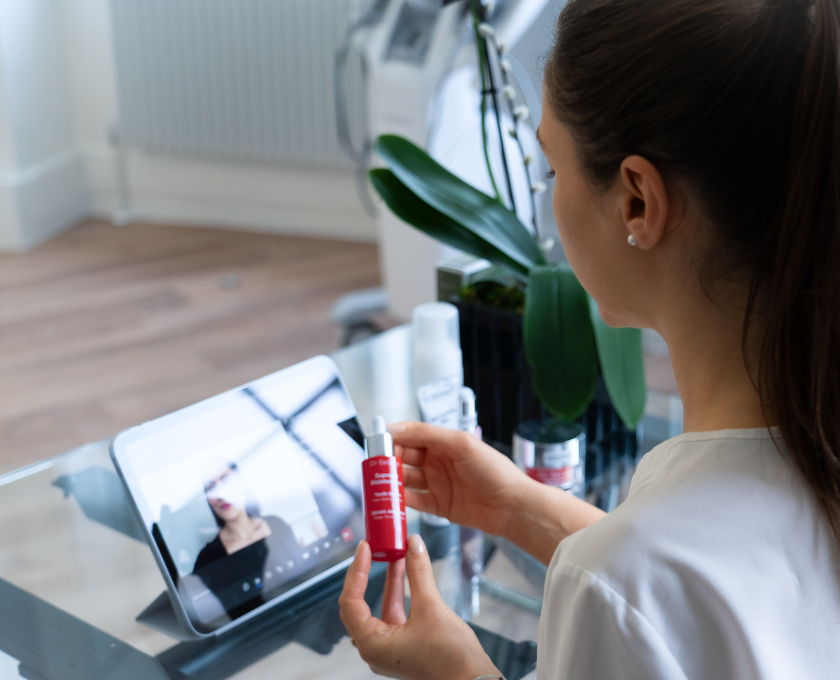
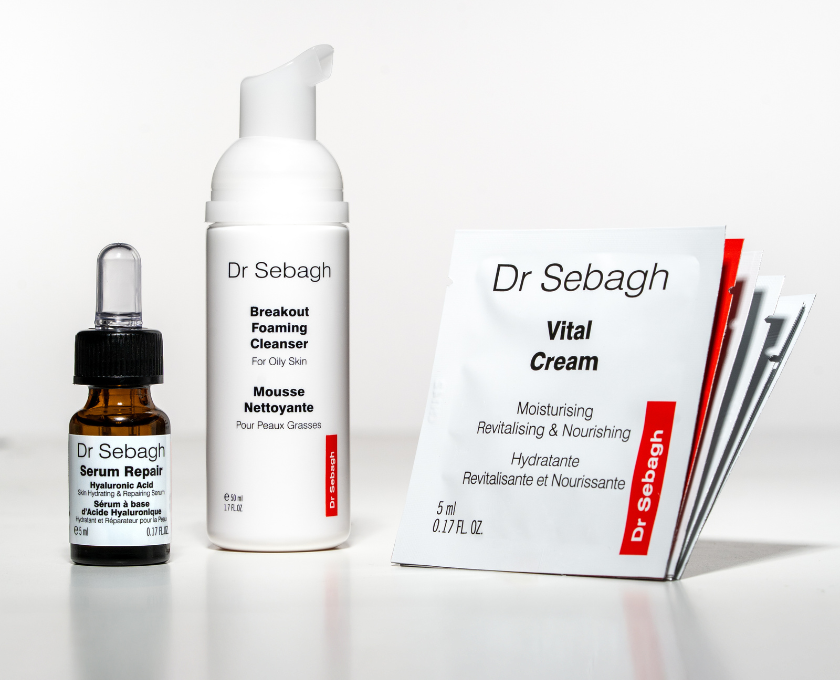
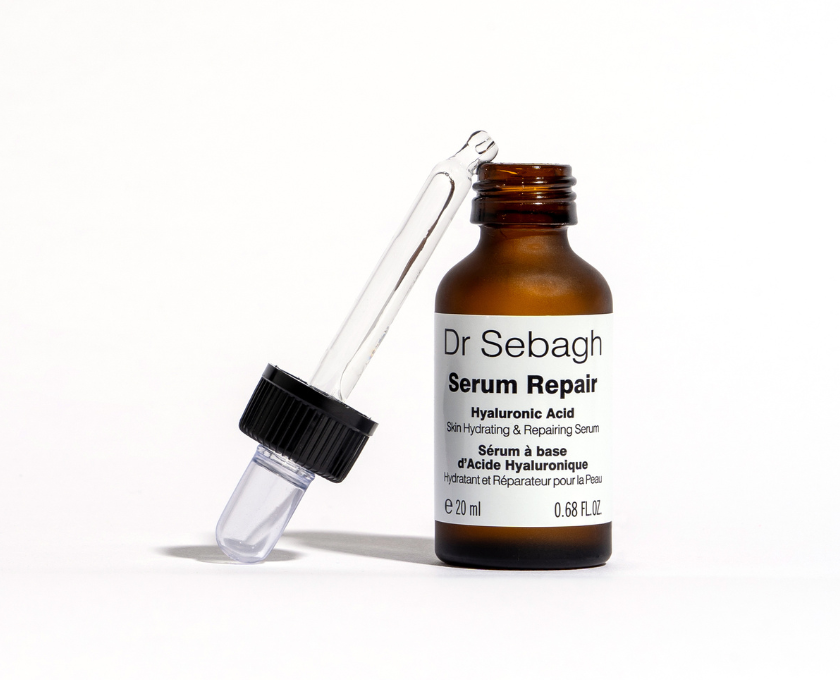
The Dr Sebagh Serum Repair combines powerful humectants, including hyaluronic acid, to draw moisture back into dehydrated skin and support barrier recovery after alcohol consumption.
Shop Serum Repair →
03 — Alcohol, Inflammation & Redness
Alcohol, Inflammation and Skin Redness
Alcohol triggers vasodilation — widening of the blood vessels — which causes flushing and redness. Repeated exposure increases inflammation and weakens capillary walls, making redness more persistent over time.
This is particularly noticeable on the cheeks and around the nose.

"Repeated alcohol-induced vasodilation weakens capillary walls over time, making redness increasingly persistent — and eventually permanent."
04 — Red Spider Veins & Broken Capillaries
Red Spider Veins Around the Nose and Alcohol
One of the most common long-term skin effects of alcohol is the appearance of red spider veins (broken capillaries), particularly around the nose. Repeated alcohol-induced vasodilation weakens capillary walls, causing them to rupture and remain permanently visible on the skin.
While skincare can help calm redness and strengthen the skin barrier, established broken capillaries cannot be removed with topical products alone.
Nd:YAG Laser Therapy for Broken Capillaries
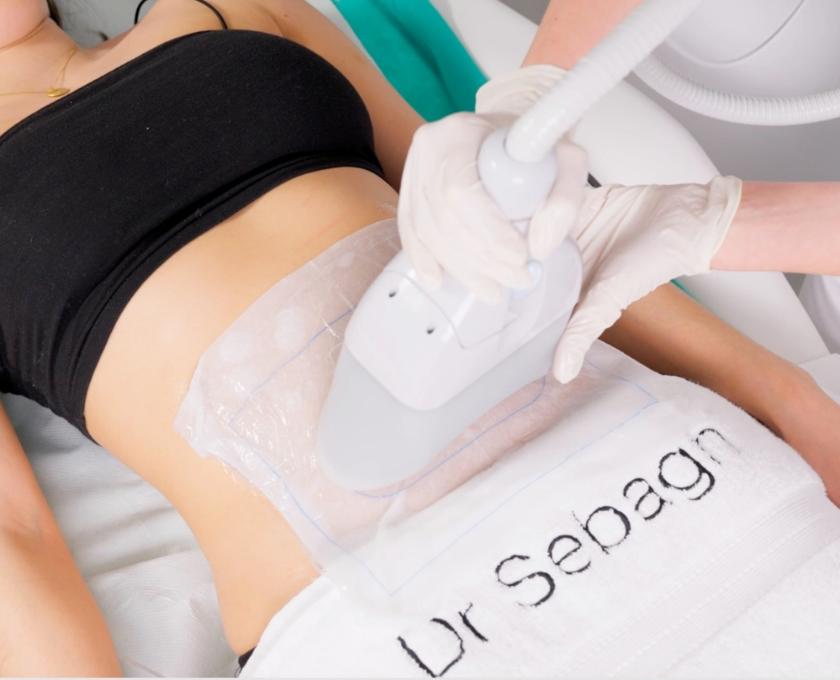
In clinic, red spider veins around the nose are effectively treated with Nd:YAG laser therapy. This laser targets haemoglobin within the visible blood vessel, causing it to collapse and gradually be reabsorbed by the body, while protecting surrounding skin. Nd:YAG laser treatment is especially effective for deeper or more stubborn vessels commonly found in the nasal area.
For best results, laser treatment can be supported with anti-inflammatory, barrier-strengthening skincare to help calm redness and reduce future vascular stress.
Concerned about persistent redness or visible broken capillaries? Discover the Dr Sebagh skincare that helps calm and protect vascular skin.
Shop the Range →05 — Alcohol and Breakouts
Alcohol and Breakouts
Alcohol can worsen breakouts by disrupting several key skin processes:
- Increasing oil production
- Disrupting hormone balance
- Slowing cell turnover
- Triggering inflammation
This can lead to congestion, enlarged pores and inflammatory blemishes, particularly on the nose, chin and jawline.
Learn more about the skin barrier and inflammation in the Dr Sebagh expert guide: 'Skin Barrier Science'.
06 — Alcohol and Premature Skin Ageing
Alcohol and Premature Skin Ageing
Regular alcohol consumption accelerates skin ageing by:
- Increasing oxidative stress
- Reducing collagen and elastin
- Weakening the skin barrier
- Slowing cellular repair
Over time, skin may appear thinner, duller and less resilient.
Discover more about collagen in the Dr Sebagh expert guide 'Collagen Guide'.
07 — How to Repair Alcohol-Related Skin Damage
How to Repair Alcohol-Related Skin Damage
An effective recovery routine should focus on rehydrating the skin, reducing inflammation, supporting overnight repair and strengthening the skin barrier. Here is the Dr Sebagh recommended protocol:

Reduce redness and comfort stressed skin
A calming, antioxidant-rich range designed to comfort stressed and sensitised skin. Ideal for skin that feels flushed, reactive or depleted after alcohol.
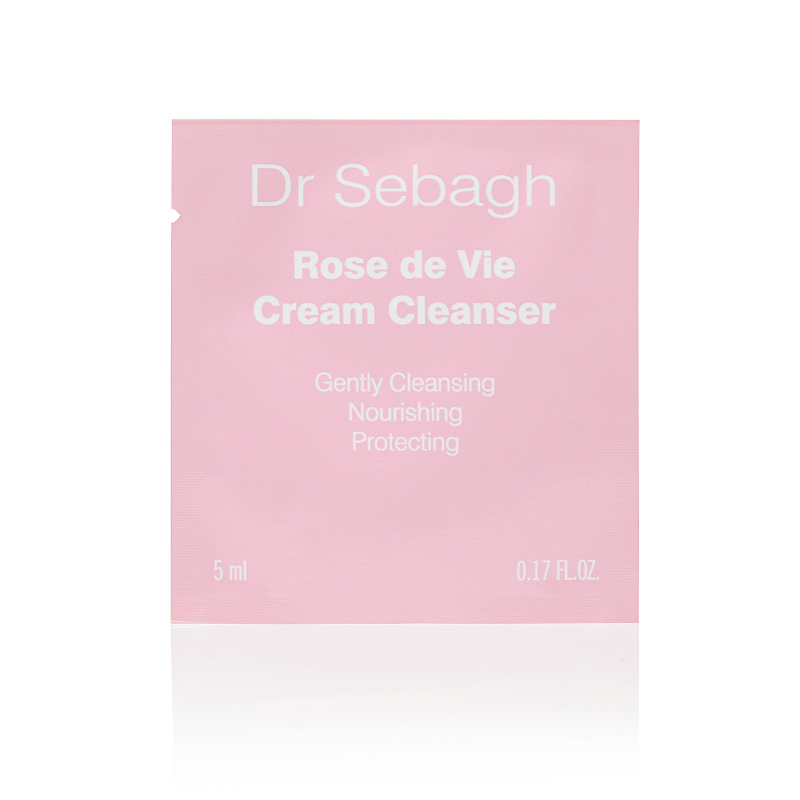
- Rose de Vie Range — reduces redness, supports the skin barrier, provides nourishing hydration
Replenish moisture and support barrier recovery
A deeply hydrating serum formulated to replenish moisture levels. Especially beneficial when alcohol-related dehydration leaves skin tight or dull.
- Serum Repair — restores hydration, improves skin softness, reduces dehydration lines

Counteract oxidative stress and inflammation
A powerful antioxidant booster designed to help counteract oxidative stress and inflammation. Ideal for offsetting the oxidative impact of alcohol on the skin.
- Exo C Booster — neutralises free-radical damage, supports brighter and more even-looking skin

Reduce puffiness and refresh the eye area
A targeted eye treatment formulated to reduce swelling and signs of fatigue. Particularly effective after alcohol-related fluid retention.
- De-Puff Eye Treatment — reduces puffiness, improves hydration, supports microcirculation
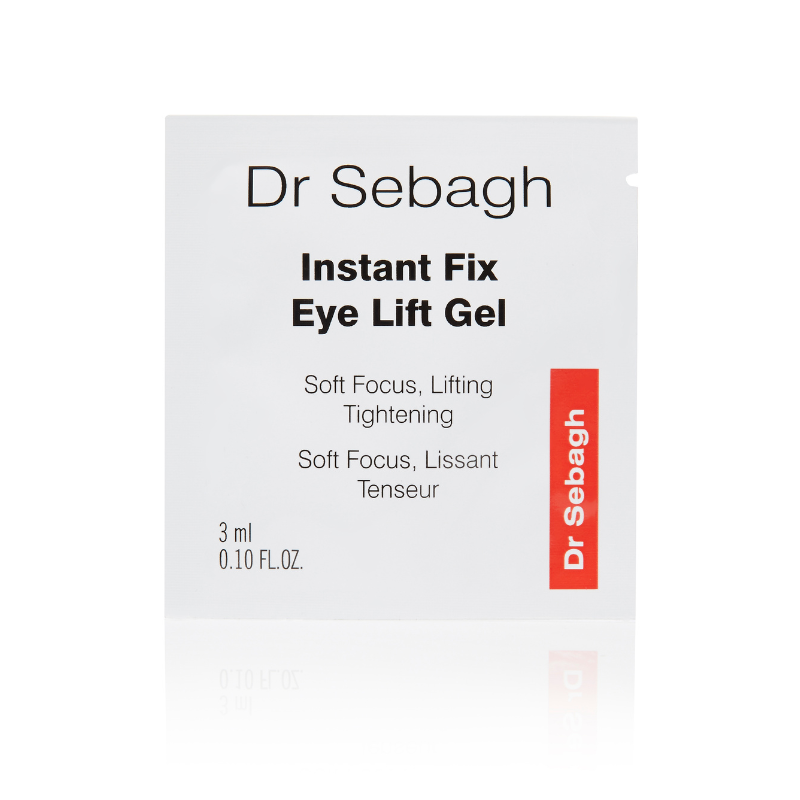
- Instant Fix Eye Lift Gel — instant smoothing effect; ideal for mornings after alcohol
Dr Sebagh Recommends
Key Products for Alcohol-Affected Skin
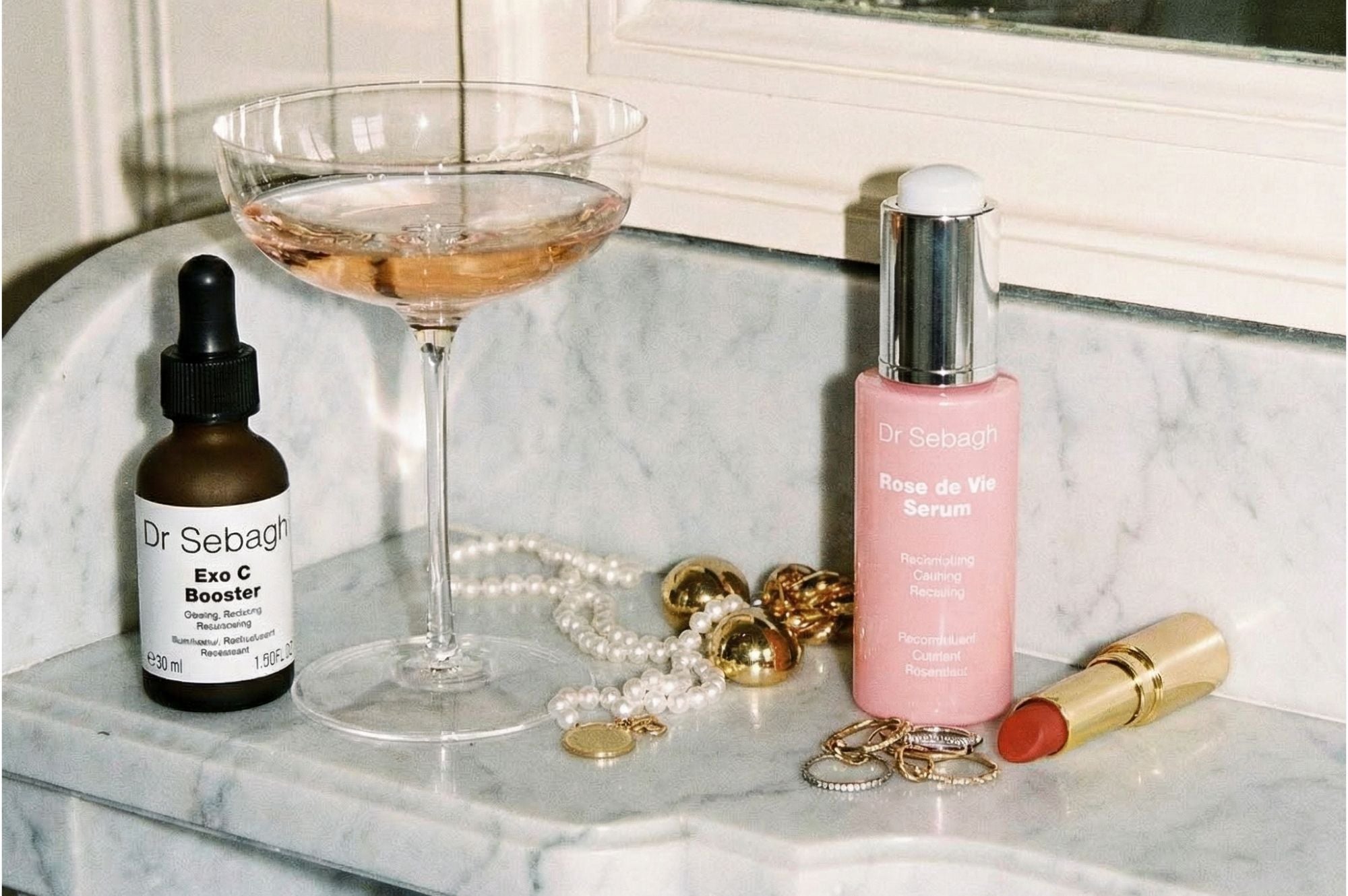
The Rose de Vie Range was formulated to comfort stressed and sensitised skin. Rich in antioxidants and soothing botanicals, it helps reduce redness, supports the lipid barrier and restores nourishing hydration — making it ideal when skin feels flushed, reactive or depleted after alcohol.
Shop Rose de Vie →
The Exo C Booster delivers a concentrated dose of antioxidant protection, helping to neutralise free-radical damage caused by alcohol and support brighter, more even-looking skin. Use it to counteract the dullness and oxidative stress that follow alcohol consumption.
Shop Exo C Booster →
The Instant Fix Eye Lift Gel provides an immediate smoothing and tightening effect around the eye area — ideal for mornings after alcohol when eyes appear puffy or tired. Use it as a quick, visible refresh before applying the De-Puff Eye Treatment for lasting results.
Shop Instant Fix Eye Lift Gel →
09 — In-Clinic Treatment
In-Clinic Treatment for Broken Capillaries
While skincare can improve redness and skin resilience, laser treatment is the most effective solution for red spider veins around the nose.
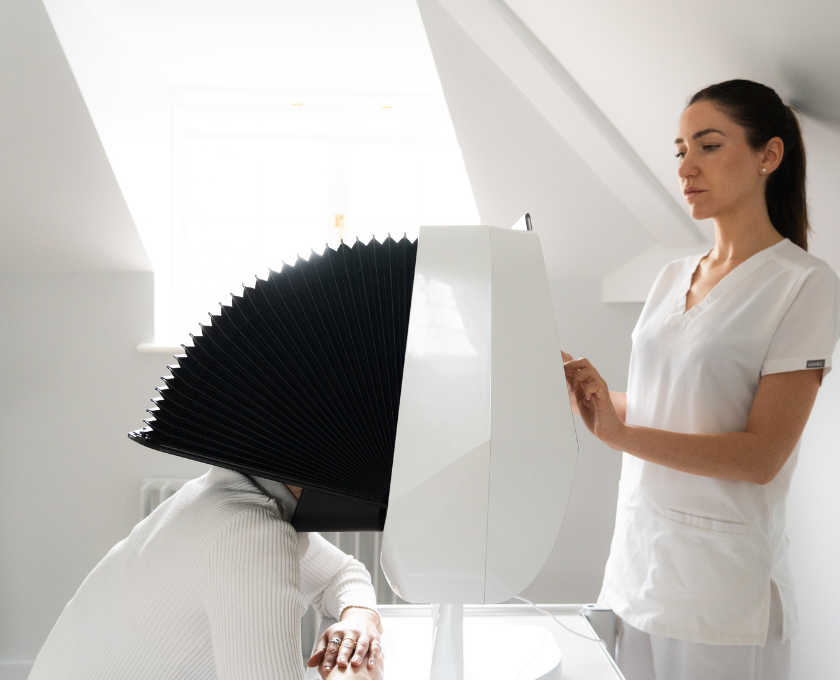
Laser technology targets visible blood vessels, helping reduce redness safely and effectively. A professional consultation ensures the treatment is appropriate for your skin type and concerns.
Nd:YAG laser therapy is the gold-standard treatment for broken capillaries and persistent redness caused by alcohol-related vasodilation. It collapses visible vessels safely while protecting surrounding skin — with results that no topical product can replicate.
Book a Consultation →10 — Reducing Alcohol's Impact
How to Reduce Alcohol's Impact on the Skin
On the Night
Minimise damage- Drink water alongside alcohol to offset fluid loss
- Avoid harsh cleansing — use a gentle, non-stripping formula
- Apply a barrier-supporting serum before sleep to aid overnight repair
The Morning After
Recover & restore- Prioritise sleep and allow skin time to recover
- Limit fragrance and strong actives when skin is flushed or reactive
- Use barrier-strengthening, anti-inflammatory skincare throughout the day
Questions & Answers
Frequently Asked Questions
Does alcohol cause broken capillaries?
Yes. Repeated alcohol consumption triggers vasodilation — widening of the blood vessels — which over time weakens capillary walls. This causes them to rupture and remain permanently visible on the skin surface as red spider veins, particularly around the nose. Limiting alcohol intake and using barrier-strengthening skincare can help prevent further damage.
Can skincare remove broken capillaries caused by alcohol?
No. Established broken capillaries cannot be removed with topical products alone. Skincare can help calm redness, reduce inflammation and strengthen the barrier to prevent further vascular stress — but the only effective treatment for permanently visible broken capillaries is professional laser therapy, such as Nd:YAG laser treatment.
Why does alcohol make skin look dull the next day?
Alcohol acts as a diuretic, significantly increasing fluid loss and reducing the skin's ability to retain moisture. This leads to dehydration, which causes the skin to appear dull, flat and less radiant. Fine lines may appear more pronounced, and overnight skin repair is slowed. Rehydrating with a humectant-rich serum such as the Serum Repair helps restore moisture and glow.
How does alcohol affect rosacea-prone skin?
Alcohol is a well-known rosacea trigger. It causes flushing, increases inflammation and can worsen persistent redness, broken capillaries and skin sensitivity. For rosacea-prone skin types, even moderate alcohol consumption can provoke significant flare-ups. Calming, fragrance-free, barrier-supporting skincare is essential after any alcohol exposure.
What is the best skincare routine after drinking alcohol?
Focus on calming, hydrating and barrier-supporting products. Avoid harsh exfoliants, strong acids or fragranced formulas when skin is flushed or reactive. The Dr Sebagh recommended protocol: Rose de Vie (calm and restore), Serum Repair (rehydrate), Exo C Booster (protect against oxidative stress), and De-Puff Eye Treatment or Instant Fix Eye Lift Gel for the eye area. Prioritise sleep and drink plenty of water.
Does alcohol accelerate skin ageing?
Yes. Regular alcohol consumption accelerates skin ageing by increasing oxidative stress, reducing collagen and elastin production, weakening the skin barrier and slowing cellular repair. Over time, skin may appear thinner, duller and less resilient. Antioxidant skincare — particularly the Exo C Booster — can help counteract some of this oxidative damage.
Why do I get puffy eyes after drinking alcohol?
Alcohol causes fluid retention and disrupts the body's normal fluid regulation, which often leads to puffiness — especially around the delicate eye area. The De-Puff Eye Treatment supports microcirculation and helps reduce swelling, while the Instant Fix Eye Lift Gel provides an immediate tightening and refreshing effect for mornings after alcohol consumption.
Conclusion
The Takeaway
Alcohol affects the skin by increasing dehydration, inflammation and vascular stress. Over time, this can lead to redness, dullness, breakouts, visible red spider veins around the nose and premature ageing.
By supporting skin recovery with hydration, antioxidants and targeted night care, many of alcohol's visible effects can be minimised. For persistent redness and broken capillaries, professional laser treatment offers the most effective solution.
A balanced approach combining lifestyle awareness, expert skincare and in-clinic treatments helps maintain clearer, calmer and healthier-looking skin long term. Shop the Dr Sebagh recovery range — and give your skin the support it needs.
Discover more about rosacea and broken capillaries on the Dr Sebagh Youtube channel
Read more
Discover how to repair, strengthen and protect your skin barrier with expert guidance from Dr Sebagh. Learn what causes skin barrier damage, the key signs to look for, and the most effective ingred...

This expert guide explains why skin can break out after exercise, how heat affects the skin barrier, and why cleansing and barrier repair are essential after sweating. Discover the best post-workou...
Leave a comment
All comments are moderated before being published.
This site is protected by hCaptcha and the hCaptcha Privacy Policy and Terms of Service apply.